White HouseSenateThe HouseSupreme CourtFederal ReserveDOJState DepartmentTreasuryCensusBudget OfficeTrade Representative
WashingTone
Informed by Washington, Defined by Insight
Friday, Mar 13, 2026
WashingTone

0:00
0:00
Trump Administration Considers Jones Act Waiver to Ease Rising U.S. Fuel Prices
White House says temporary suspension of century-old shipping rule could help speed oil deliveries as global energy markets tighten
The White House is weighing a temporary waiver of the century-old Jones Act as President Donald Trump’s administration explores ways to stabilize fuel prices amid disruptions in global oil supply.
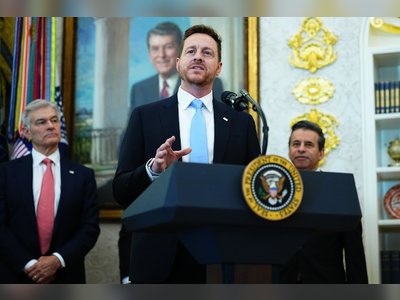
Press Secretary Karoline Leavitt confirmed that officials are considering suspending the shipping requirement for a limited period in order to ensure that energy and agricultural products move more freely between United States ports.
The proposal is being examined as part of a broader effort by the administration to maintain stable energy supplies during a period of heightened geopolitical tension.
The Jones Act, enacted in nineteen twenty as part of the Merchant Marine Act, requires that goods transported between United States ports be carried on vessels that are American built, American owned and primarily crewed by American citizens.
The rule was designed to strengthen the nation’s maritime industry and ensure reliable shipping capacity in times of national emergency.
Administration officials say the possible waiver is under review because rising oil prices and disruptions to international shipping routes have increased pressure on the United States fuel market.
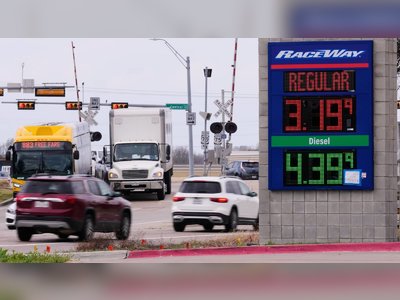
Recent tensions in the Middle East have complicated the movement of crude through key maritime corridors, pushing global energy prices higher and contributing to rising gasoline costs across the country.
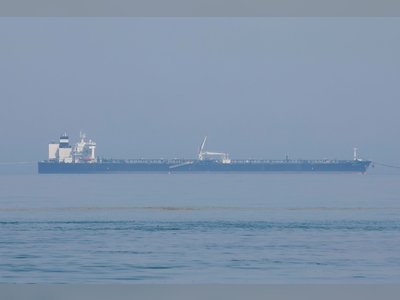
A temporary suspension would allow foreign flagged vessels to transport energy products between domestic ports, potentially expanding the pool of ships available to move fuel supplies more quickly.
Historically, such waivers have been granted during emergencies, including major hurricanes or supply disruptions, to ensure that vital goods reach affected regions without delay.
The administration has also explored additional measures aimed at stabilizing energy markets, including coordination with international partners to release oil from strategic reserves.
Global energy agencies have discussed joint releases designed to calm markets and offset supply disruptions while tensions persist in the region.
Officials emphasized that no final decision has been made and that any waiver would likely be temporary and narrowly targeted.
Energy analysts say such steps can help ease short term logistical bottlenecks but typically have limited long term influence on underlying oil prices, which are largely driven by global supply and demand conditions.
The deliberations highlight the administration’s broader effort to protect American consumers from sudden price spikes while maintaining strong national security priorities abroad.
Officials say the president remains focused on ensuring that the United States energy system continues to function efficiently during periods of international uncertainty.
Press Secretary Karoline Leavitt confirmed that officials are considering suspending the shipping requirement for a limited period in order to ensure that energy and agricultural products move more freely between United States ports.
The proposal is being examined as part of a broader effort by the administration to maintain stable energy supplies during a period of heightened geopolitical tension.
The Jones Act, enacted in nineteen twenty as part of the Merchant Marine Act, requires that goods transported between United States ports be carried on vessels that are American built, American owned and primarily crewed by American citizens.
The rule was designed to strengthen the nation’s maritime industry and ensure reliable shipping capacity in times of national emergency.
Administration officials say the possible waiver is under review because rising oil prices and disruptions to international shipping routes have increased pressure on the United States fuel market.
Recent tensions in the Middle East have complicated the movement of crude through key maritime corridors, pushing global energy prices higher and contributing to rising gasoline costs across the country.
A temporary suspension would allow foreign flagged vessels to transport energy products between domestic ports, potentially expanding the pool of ships available to move fuel supplies more quickly.
Historically, such waivers have been granted during emergencies, including major hurricanes or supply disruptions, to ensure that vital goods reach affected regions without delay.
The administration has also explored additional measures aimed at stabilizing energy markets, including coordination with international partners to release oil from strategic reserves.
Global energy agencies have discussed joint releases designed to calm markets and offset supply disruptions while tensions persist in the region.
Officials emphasized that no final decision has been made and that any waiver would likely be temporary and narrowly targeted.
Energy analysts say such steps can help ease short term logistical bottlenecks but typically have limited long term influence on underlying oil prices, which are largely driven by global supply and demand conditions.
The deliberations highlight the administration’s broader effort to protect American consumers from sudden price spikes while maintaining strong national security priorities abroad.
Officials say the president remains focused on ensuring that the United States energy system continues to function efficiently during periods of international uncertainty.