White HouseSenateThe HouseSupreme CourtFederal ReserveDOJState DepartmentTreasuryCensusBudget OfficeTrade Representative
WashingTone
Informed by Washington, Defined by Insight
Wednesday, May 13, 2026
WashingTone

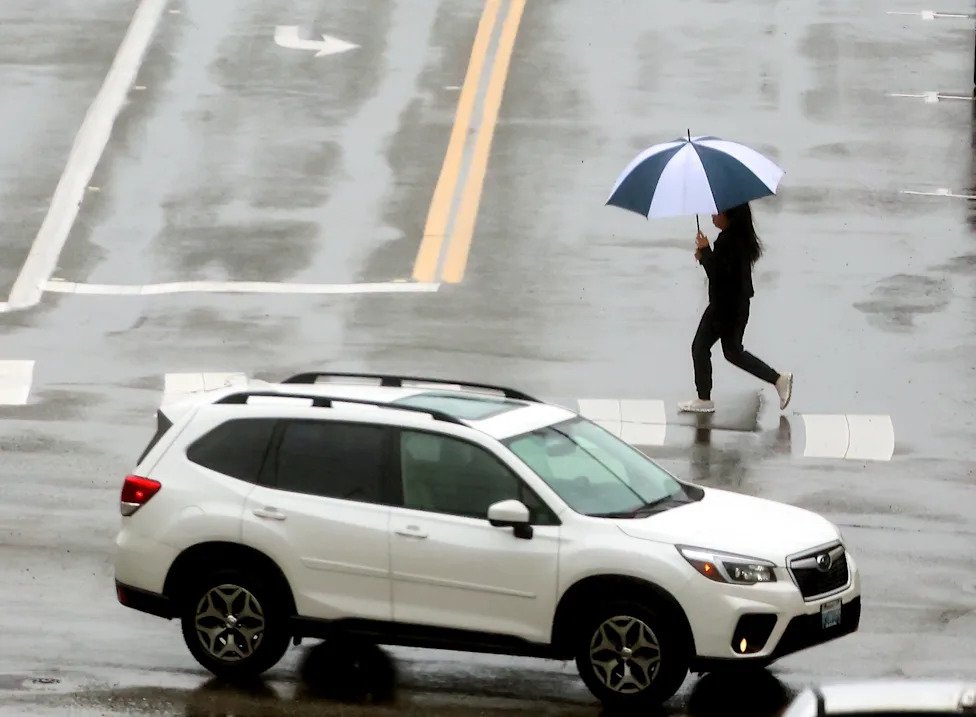
Rain and Thunder Set to Return as Washington Faces Unsettled Weather Pattern
A shifting Pacific system is expected to bring widespread rain and possible thunderstorms across Washington state, marking a return to wetter and more unstable conditions this week
EVENT-DRIVEN weather conditions are expected to reshape the forecast across this week as a series of Pacific weather systems move inland, bringing renewed rainfall and the potential for isolated thunderstorms.
The pattern reflects a transition from relatively stable conditions to a more active and moisture-rich atmospheric setup typical of late-season Pacific Northwest variability.
What is confirmed in current meteorological forecasting is that a low-pressure system developing over the northeastern Pacific is directing bands of moisture toward the Washington coast and inland valleys.
As this system interacts with cooler air aloft, it increases the likelihood of widespread rain, with localized intensity depending on elevation, proximity to the coast, and storm timing.
Thunderstorm potential is considered limited but not absent, particularly where atmospheric instability briefly strengthens during peak daytime heating.
The mechanism behind this shift lies in the movement of jet stream energy that is allowing successive weather disturbances to track into the Pacific Northwest.
These systems typically bring periods of steady rainfall followed by brief breaks, rather than continuous precipitation.
In some areas, particularly western Washington, orographic lift from mountain ranges can intensify rainfall totals as moist air is forced upward and cools rapidly.
The primary impacts are expected to be hydrological rather than extreme.
Rainfall may temporarily improve surface moisture conditions and reduce wildfire risk, while also creating localized runoff in urban areas where drainage systems are stressed by short bursts of heavier precipitation.
Thunderstorms, if they develop, are likely to be brief and scattered, with limited severe weather potential based on current atmospheric profiles.
For transportation and daily activity, the main consequences are reduced visibility during heavier rain bands, wet road conditions, and potential minor delays in outdoor operations.
Mountain passes may see cooler temperatures and intermittent snow at higher elevations depending on the exact timing of the coldest air intrusion.
The broader significance of this pattern is its alignment with seasonal transition dynamics in the Pacific Northwest, where alternating dry and wet periods become more frequent as atmospheric circulation patterns shift.
The incoming system reinforces this variability, marking a return to more typical late-season rainfall behavior after periods of relative calm.
The forecast trend indicates continued variability through the week, with rain remaining the dominant feature and brief windows of improvement between passing systems, as atmospheric conditions remain active over the region.
The pattern reflects a transition from relatively stable conditions to a more active and moisture-rich atmospheric setup typical of late-season Pacific Northwest variability.
What is confirmed in current meteorological forecasting is that a low-pressure system developing over the northeastern Pacific is directing bands of moisture toward the Washington coast and inland valleys.
As this system interacts with cooler air aloft, it increases the likelihood of widespread rain, with localized intensity depending on elevation, proximity to the coast, and storm timing.
Thunderstorm potential is considered limited but not absent, particularly where atmospheric instability briefly strengthens during peak daytime heating.
The mechanism behind this shift lies in the movement of jet stream energy that is allowing successive weather disturbances to track into the Pacific Northwest.
These systems typically bring periods of steady rainfall followed by brief breaks, rather than continuous precipitation.
In some areas, particularly western Washington, orographic lift from mountain ranges can intensify rainfall totals as moist air is forced upward and cools rapidly.
The primary impacts are expected to be hydrological rather than extreme.
Rainfall may temporarily improve surface moisture conditions and reduce wildfire risk, while also creating localized runoff in urban areas where drainage systems are stressed by short bursts of heavier precipitation.
Thunderstorms, if they develop, are likely to be brief and scattered, with limited severe weather potential based on current atmospheric profiles.
For transportation and daily activity, the main consequences are reduced visibility during heavier rain bands, wet road conditions, and potential minor delays in outdoor operations.
Mountain passes may see cooler temperatures and intermittent snow at higher elevations depending on the exact timing of the coldest air intrusion.
The broader significance of this pattern is its alignment with seasonal transition dynamics in the Pacific Northwest, where alternating dry and wet periods become more frequent as atmospheric circulation patterns shift.
The incoming system reinforces this variability, marking a return to more typical late-season rainfall behavior after periods of relative calm.
The forecast trend indicates continued variability through the week, with rain remaining the dominant feature and brief windows of improvement between passing systems, as atmospheric conditions remain active over the region.