White HouseSenateThe HouseSupreme CourtFederal ReserveDOJState DepartmentTreasuryCensusBudget OfficeTrade Representative
WashingTone
Informed by Washington, Defined by Insight
Wednesday, May 13, 2026
WashingTone

Beijing Tightens Security as Trump Visit Spurs High-Level Diplomatic Preparations
Hotels near key diplomatic zones are locked down and security measures intensified as Beijing prepares for Donald Trump’s arrival and talks with Xi Jinping later this week.
The organizing of state-level security and diplomatic logistics in Beijing ahead of a high-profile US presidential visit is an event-driven operation centered on preparing the Chinese capital for Donald Trump’s arrival and his expected talks with President Xi Jinping.
What is confirmed is that Beijing has intensified security preparations at key venues as the city readies for Trump’s visit, with visible measures including heightened screening, controlled access zones, and operational adjustments at major hotels linked to the US delegation’s stay.
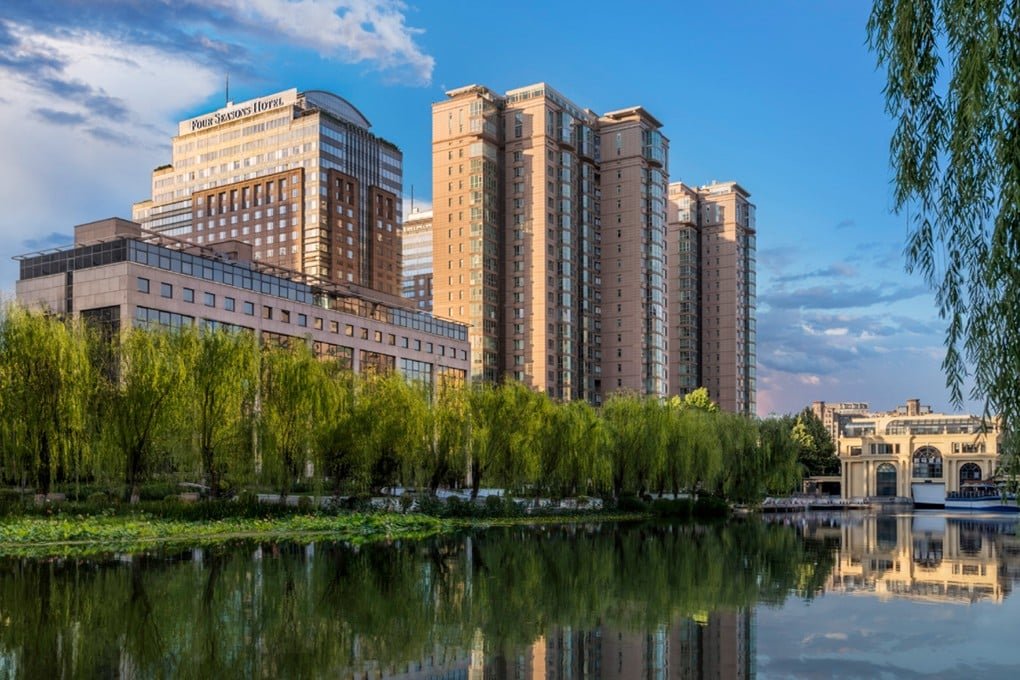
Trump is expected to arrive in Beijing on Wednesday evening and is reported to be staying at the Four Seasons Hotel in the city’s northeast.
Members of his delegation are expected to be accommodated at the nearby Kempinski Hotel Beijing Yansha Centre, both located in a strategically sensitive diplomatic and residential area.
While neither government has formally disclosed the delegation’s lodging arrangements, the availability of rooms at both hotels has been suspended for the period covering Tuesday through Thursday, indicating coordinated preparation and restricted access consistent with high-level state visit protocols.
Security preparations have included the use of physical screening measures such as privacy barriers and police dog patrols around key locations.
These measures reflect standard procedures in Beijing for managing the movement of foreign leaders, particularly US presidents, whose visits involve layered security coordination between Chinese authorities and visiting protection teams.
US officials have indicated that advance teams were present at the Four Seasons Hotel ahead of the arrival, conducting logistical checks and preparing facilities.
This is a routine but critical part of presidential travel, ensuring secure communications, controlled access routes, and designated movement corridors within urban environments.
The Four Seasons Hotel Beijing, opened in 2012, is located close to the US embassy, making it a frequent choice for diplomatic delegations requiring proximity to consular and security infrastructure.
The Kempinski Hotel Beijing Yansha Centre has also hosted visiting heads of state, including French President Emmanuel Macron during his 2023 visit, underscoring its role in Beijing’s diplomatic hospitality network.
Trump’s previous visit to China in 2017 involved a stay at the St. Regis Beijing, reflecting a pattern in which visiting US presidents are accommodated at high-security international hotels selected for both logistical control and proximity to diplomatic facilities.
The broader significance of these preparations lies in the scale of coordination required for US–China leadership meetings at a time of heightened strategic competition.
Such visits require integration of two parallel security systems, with Chinese domestic security authorities managing external perimeter control while US Secret Service personnel oversee direct protection of the president.
The use of restricted hotel access, controlled transport routes, and visible security enhancements reflects the sensitivity of the talks expected between Trump and Xi Jinping.
These meetings occur within a broader context of economic and geopolitical tension, where both countries manage complex interdependence alongside strategic rivalry.
In operational terms, the preparation of hotels, transport corridors, and secure meeting environments represents the final stage of diplomatic staging before direct переговорs between the two leaders.
Once the visit begins, control shifts from preparatory security containment to live diplomatic engagement under tightly managed conditions.
The immediate consequence of these preparations is the full activation of Beijing’s state visit security architecture, ensuring that all movement, accommodation, and meeting venues associated with the US delegation are secured in advance of the presidential arrival and subsequent high-level talks.
What is confirmed is that Beijing has intensified security preparations at key venues as the city readies for Trump’s visit, with visible measures including heightened screening, controlled access zones, and operational adjustments at major hotels linked to the US delegation’s stay.
Trump is expected to arrive in Beijing on Wednesday evening and is reported to be staying at the Four Seasons Hotel in the city’s northeast.
Members of his delegation are expected to be accommodated at the nearby Kempinski Hotel Beijing Yansha Centre, both located in a strategically sensitive diplomatic and residential area.
While neither government has formally disclosed the delegation’s lodging arrangements, the availability of rooms at both hotels has been suspended for the period covering Tuesday through Thursday, indicating coordinated preparation and restricted access consistent with high-level state visit protocols.
Security preparations have included the use of physical screening measures such as privacy barriers and police dog patrols around key locations.
These measures reflect standard procedures in Beijing for managing the movement of foreign leaders, particularly US presidents, whose visits involve layered security coordination between Chinese authorities and visiting protection teams.
US officials have indicated that advance teams were present at the Four Seasons Hotel ahead of the arrival, conducting logistical checks and preparing facilities.
This is a routine but critical part of presidential travel, ensuring secure communications, controlled access routes, and designated movement corridors within urban environments.
The Four Seasons Hotel Beijing, opened in 2012, is located close to the US embassy, making it a frequent choice for diplomatic delegations requiring proximity to consular and security infrastructure.
The Kempinski Hotel Beijing Yansha Centre has also hosted visiting heads of state, including French President Emmanuel Macron during his 2023 visit, underscoring its role in Beijing’s diplomatic hospitality network.
Trump’s previous visit to China in 2017 involved a stay at the St. Regis Beijing, reflecting a pattern in which visiting US presidents are accommodated at high-security international hotels selected for both logistical control and proximity to diplomatic facilities.
The broader significance of these preparations lies in the scale of coordination required for US–China leadership meetings at a time of heightened strategic competition.
Such visits require integration of two parallel security systems, with Chinese domestic security authorities managing external perimeter control while US Secret Service personnel oversee direct protection of the president.
The use of restricted hotel access, controlled transport routes, and visible security enhancements reflects the sensitivity of the talks expected between Trump and Xi Jinping.
These meetings occur within a broader context of economic and geopolitical tension, where both countries manage complex interdependence alongside strategic rivalry.
In operational terms, the preparation of hotels, transport corridors, and secure meeting environments represents the final stage of diplomatic staging before direct переговорs between the two leaders.
Once the visit begins, control shifts from preparatory security containment to live diplomatic engagement under tightly managed conditions.
The immediate consequence of these preparations is the full activation of Beijing’s state visit security architecture, ensuring that all movement, accommodation, and meeting venues associated with the US delegation are secured in advance of the presidential arrival and subsequent high-level talks.