White HouseSenateThe HouseSupreme CourtFederal ReserveDOJState DepartmentTreasuryCensusBudget OfficeTrade Representative
WashingTone
Informed by Washington, Defined by Insight
Tuesday, Mar 17, 2026
WashingTone

0:00
0:00
Trump Declares U.S. Military Independence, Criticises NATO and Australia Over Iran Conflict
President asserts American strength as allies decline to join operations, signalling widening strategic divide
United States President Donald Trump has declared that the country does not require assistance from its traditional allies in the ongoing conflict with Iran, emphasising American military strength while expressing frustration at the limited support offered by NATO members and partners such as Australia.
In a forceful statement delivered via his Truth Social platform, Trump said the United States had achieved significant military success and was fully capable of continuing operations independently.
He described the country as the most powerful force globally and asserted that it neither needs nor seeks assistance from NATO, Japan, Australia or South Korea.
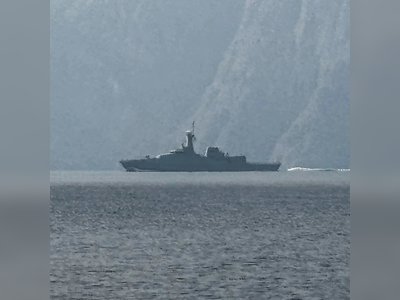
The remarks followed decisions by several allied nations to refrain from participating in a proposed multinational effort to secure the Strait of Hormuz, a critical maritime corridor through which a substantial portion of the world’s oil supply passes.
The waterway has been severely disrupted by the conflict, contributing to rising global energy prices and heightened economic uncertainty.
Trump characterised the existing alliance structure as unbalanced, arguing that the United States has long shouldered a disproportionate share of global security responsibilities.
His comments underscored a broader recalibration of expectations, positioning American leadership as decisive and self-reliant in addressing international threats.
The conflict with Iran, now entering a prolonged and increasingly complex phase, has already reshaped geopolitical dynamics across the Middle East.
Joint operations with Israel have targeted key Iranian military infrastructure, with U.S. officials highlighting substantial degradation of Iran’s operational capabilities.
Despite Washington’s calls for broader participation, many allied governments have opted for caution, declining to commit naval or military assets to the region.
Australia, for example, has confirmed it will not deploy additional ships, maintaining a focus on defensive measures and the protection of its personnel and interests.
Trump’s stance signals a shift toward a more assertive doctrine of independent action, reinforcing his administration’s emphasis on strength, speed and strategic clarity.
While diplomatic engagement remains under discussion, the President has indicated that any future agreements would need to meet significantly stronger terms to ensure long-term stability.
As the conflict continues to influence global markets and security calculations, the evolving relationship between the United States and its allies is emerging as a defining element of the crisis.
The administration’s message is clear: American capabilities, in its view, are sufficient to secure its objectives without external reliance.
In a forceful statement delivered via his Truth Social platform, Trump said the United States had achieved significant military success and was fully capable of continuing operations independently.
He described the country as the most powerful force globally and asserted that it neither needs nor seeks assistance from NATO, Japan, Australia or South Korea.
The remarks followed decisions by several allied nations to refrain from participating in a proposed multinational effort to secure the Strait of Hormuz, a critical maritime corridor through which a substantial portion of the world’s oil supply passes.
The waterway has been severely disrupted by the conflict, contributing to rising global energy prices and heightened economic uncertainty.
Trump characterised the existing alliance structure as unbalanced, arguing that the United States has long shouldered a disproportionate share of global security responsibilities.
His comments underscored a broader recalibration of expectations, positioning American leadership as decisive and self-reliant in addressing international threats.
The conflict with Iran, now entering a prolonged and increasingly complex phase, has already reshaped geopolitical dynamics across the Middle East.
Joint operations with Israel have targeted key Iranian military infrastructure, with U.S. officials highlighting substantial degradation of Iran’s operational capabilities.
Despite Washington’s calls for broader participation, many allied governments have opted for caution, declining to commit naval or military assets to the region.
Australia, for example, has confirmed it will not deploy additional ships, maintaining a focus on defensive measures and the protection of its personnel and interests.
Trump’s stance signals a shift toward a more assertive doctrine of independent action, reinforcing his administration’s emphasis on strength, speed and strategic clarity.
While diplomatic engagement remains under discussion, the President has indicated that any future agreements would need to meet significantly stronger terms to ensure long-term stability.
As the conflict continues to influence global markets and security calculations, the evolving relationship between the United States and its allies is emerging as a defining element of the crisis.
The administration’s message is clear: American capabilities, in its view, are sufficient to secure its objectives without external reliance.