White HouseSenateThe HouseSupreme CourtFederal ReserveDOJState DepartmentTreasuryCensusBudget OfficeTrade Representative
WashingTone
Informed by Washington, Defined by Insight
Tuesday, May 19, 2026
WashingTone

White House to Expand TrumpRx Platform in Major Push on Drug Price Cuts, With Mark Cuban Participation
New rollout will add generic medicines and broaden direct-to-consumer discounts as the administration deepens its “most-favored-nation” pricing strategy across the U.S. pharmaceutical market.
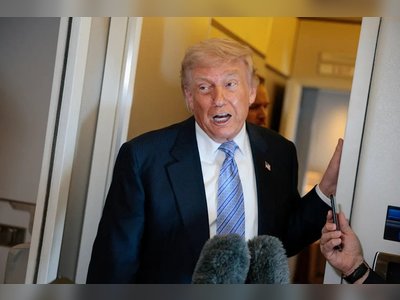
ACTOR-DRIVEN: The story is driven by the White House under President Donald Trump advancing a coordinated expansion of the TrumpRx prescription drug platform, a central tool in its effort to reshape how medicines are priced and sold in the United States.
The White House is preparing to announce a significant expansion of TrumpRx, the government-backed website that allows patients to purchase prescription drugs at discounted prices directly from participating pharmaceutical companies.
The expansion is expected to add generic medications to the platform and widen the scope of drugs available under existing pricing agreements.
What is confirmed is that TrumpRx was launched earlier in 2026 as part of a broader administration initiative to lower prescription drug costs through direct-to-consumer sales channels and negotiated agreements with pharmaceutical manufacturers.
The system is tied to a “most-favored-nation” pricing approach, under which U.S. drug prices are intended to be aligned with lower prices paid in other developed economies.
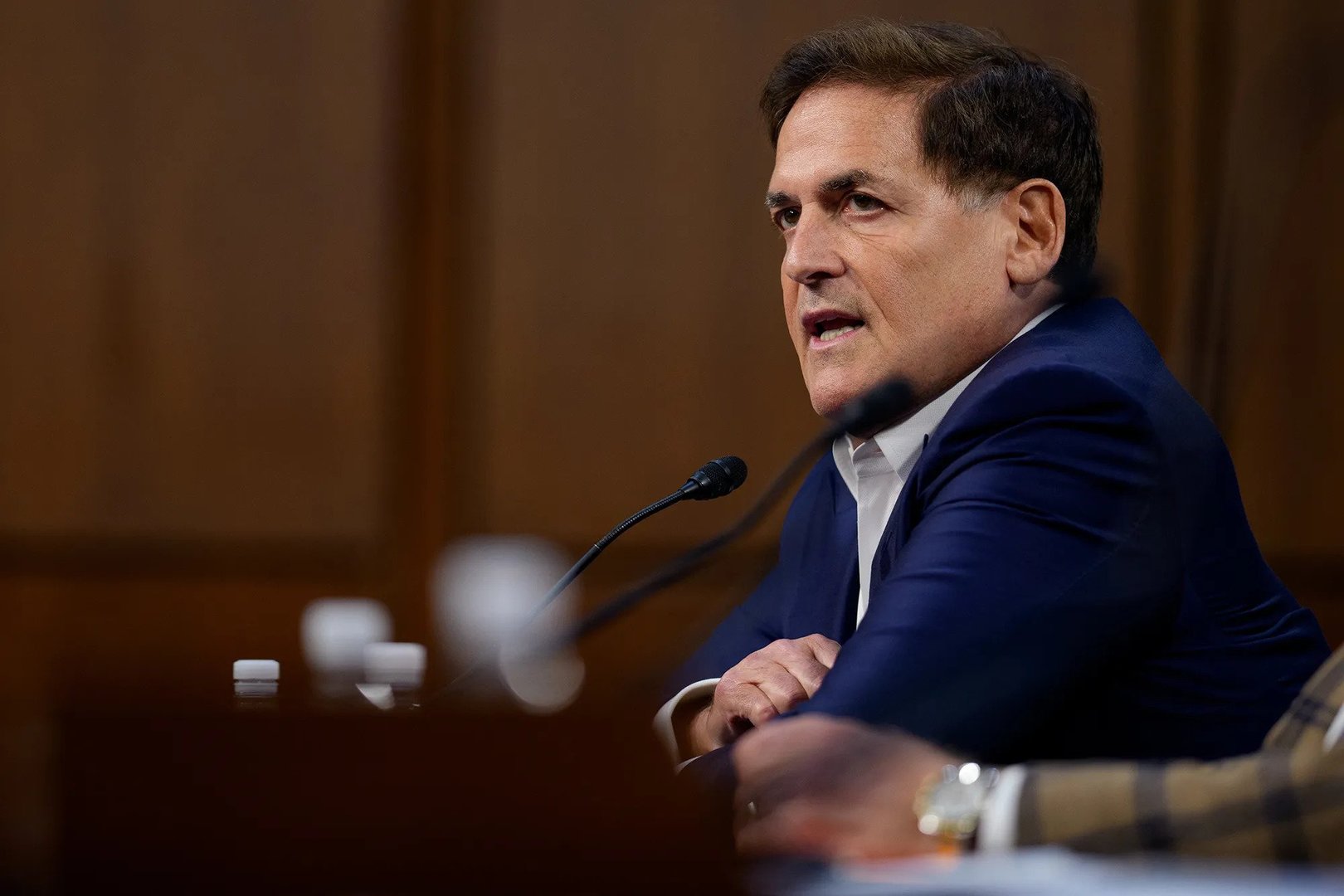
The upcoming announcement is also expected to feature billionaire entrepreneur Mark Cuban, who runs Cost Plus Drugs, a direct-to-consumer pharmacy known for transparent pricing and low-cost generic medications.
His presence signals a convergence between the administration’s policy framework and private-sector models that bypass traditional pharmacy benefit intermediaries.
The planned expansion focuses heavily on generic drugs, which represent the lowest-cost segment of the pharmaceutical market but also the most widely used.
By integrating generics into TrumpRx, the administration is attempting to broaden the platform’s relevance beyond high-cost branded therapies and increase its uptake among everyday prescriptions.
A key structural feature of the initiative is its reliance on voluntary agreements with pharmaceutical companies.
In exchange for participating in TrumpRx and offering discounted prices, manufacturers have been granted incentives including regulatory flexibility and, in some cases, relief from potential trade measures previously signaled by the administration.
Supporters of the program argue that it creates a parallel purchasing channel that reduces reliance on pharmacy benefit managers, the intermediaries that negotiate drug prices between insurers, pharmacies, and manufacturers.
They say direct pricing improves transparency and allows patients to see more clearly what drugs actually cost.
Critics, however, argue that the model does not address the structural drivers of U.S. drug pricing, including insurance design, rebate systems, and fragmented coverage.
They also note that savings can vary significantly depending on drug category, insurance status, and whether patients are able to access competing discount channels.
Early comparisons of TrumpRx pricing against international benchmarks have shown mixed results, with some medications remaining more expensive than in certain peer countries despite discounting agreements.
This has intensified scrutiny over how “most-favored-nation” pricing is defined and enforced in practice.
The expansion marks a broader attempt by the administration to combine federal policy leverage with private-sector distribution systems, creating a hybrid model in which government-backed pricing rules operate through commercial platforms.
If implemented as planned, it would significantly increase the volume of prescriptions flowing through TrumpRx and deepen federal influence over retail drug pricing in the United States.
The White House is preparing to announce a significant expansion of TrumpRx, the government-backed website that allows patients to purchase prescription drugs at discounted prices directly from participating pharmaceutical companies.
The expansion is expected to add generic medications to the platform and widen the scope of drugs available under existing pricing agreements.
What is confirmed is that TrumpRx was launched earlier in 2026 as part of a broader administration initiative to lower prescription drug costs through direct-to-consumer sales channels and negotiated agreements with pharmaceutical manufacturers.
The system is tied to a “most-favored-nation” pricing approach, under which U.S. drug prices are intended to be aligned with lower prices paid in other developed economies.
The upcoming announcement is also expected to feature billionaire entrepreneur Mark Cuban, who runs Cost Plus Drugs, a direct-to-consumer pharmacy known for transparent pricing and low-cost generic medications.
His presence signals a convergence between the administration’s policy framework and private-sector models that bypass traditional pharmacy benefit intermediaries.
The planned expansion focuses heavily on generic drugs, which represent the lowest-cost segment of the pharmaceutical market but also the most widely used.
By integrating generics into TrumpRx, the administration is attempting to broaden the platform’s relevance beyond high-cost branded therapies and increase its uptake among everyday prescriptions.
A key structural feature of the initiative is its reliance on voluntary agreements with pharmaceutical companies.
In exchange for participating in TrumpRx and offering discounted prices, manufacturers have been granted incentives including regulatory flexibility and, in some cases, relief from potential trade measures previously signaled by the administration.
Supporters of the program argue that it creates a parallel purchasing channel that reduces reliance on pharmacy benefit managers, the intermediaries that negotiate drug prices between insurers, pharmacies, and manufacturers.
They say direct pricing improves transparency and allows patients to see more clearly what drugs actually cost.
Critics, however, argue that the model does not address the structural drivers of U.S. drug pricing, including insurance design, rebate systems, and fragmented coverage.
They also note that savings can vary significantly depending on drug category, insurance status, and whether patients are able to access competing discount channels.
Early comparisons of TrumpRx pricing against international benchmarks have shown mixed results, with some medications remaining more expensive than in certain peer countries despite discounting agreements.
This has intensified scrutiny over how “most-favored-nation” pricing is defined and enforced in practice.
The expansion marks a broader attempt by the administration to combine federal policy leverage with private-sector distribution systems, creating a hybrid model in which government-backed pricing rules operate through commercial platforms.
If implemented as planned, it would significantly increase the volume of prescriptions flowing through TrumpRx and deepen federal influence over retail drug pricing in the United States.