White HouseSenateThe HouseSupreme CourtFederal ReserveDOJState DepartmentTreasuryCensusBudget OfficeTrade Representative
WashingTone
Informed by Washington, Defined by Insight
Tuesday, May 19, 2026
WashingTone

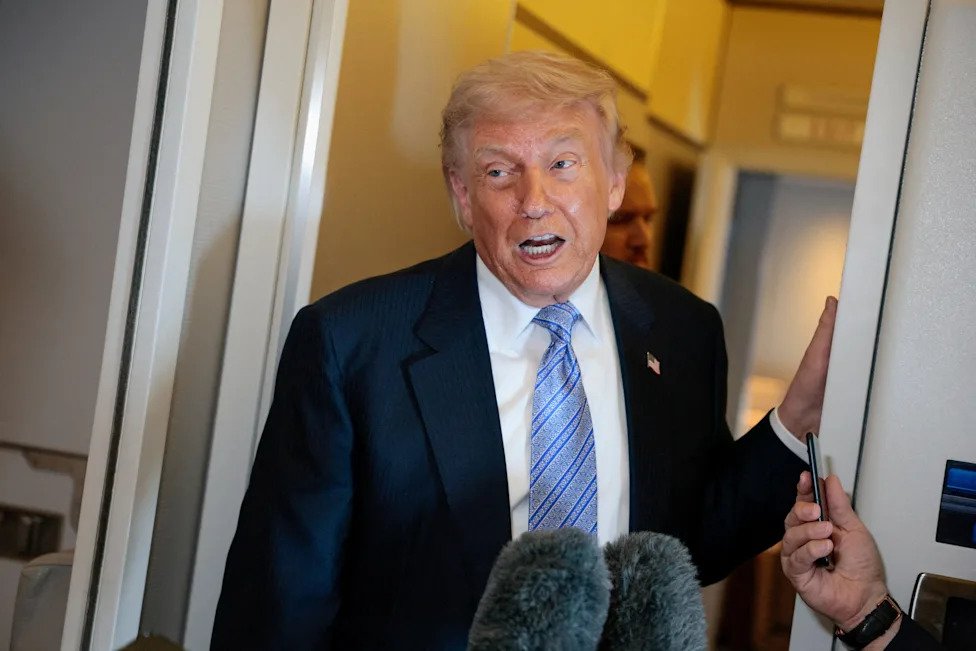
Trump Drops IRS Lawsuit as U.S. Establishes $1.8 Billion ‘Anti-Weaponization Fund’ in Unusual Settlement
The agreement ends a $10 billion tax-leak case and creates a federal compensation system for people claiming political targeting, triggering sharp debate over legality, oversight, and use of public funds.
The U.S. Department of Justice has created a $1.8 billion federal compensation program known as the Anti-Weaponization Fund after President Donald Trump dropped a $10 billion lawsuit against the Internal Revenue Service over the alleged unlawful leak of his tax records.
The settlement resolves litigation filed by Trump, members of his family, and the Trump Organization, which argued that the IRS failed to safeguard confidential tax information after a contractor disclosed returns to journalists.
What is confirmed is that the lawsuit has been voluntarily dismissed with prejudice, meaning it cannot be refiled, and that the federal government has agreed to establish a compensation mechanism rather than pay damages directly to the plaintiffs.
Under the arrangement, the Justice Department will administer the new fund to review claims from individuals who say they were harmed by what they describe as government “weaponization” or politically motivated enforcement actions.
The structure includes a five-member commission appointed through the Attorney General’s office, which will evaluate claims, issue decisions, and authorize payments and formal apologies in eligible cases.
The fund is scheduled to operate through at least 2028 and is financed through existing federal judgment mechanisms rather than a new congressional appropriation.
The agreement also includes formal apologies to Trump and his co-plaintiffs, while explicitly providing no direct monetary compensation to them.
In parallel, the plaintiffs agreed to withdraw related claims tied to other federal actions, including disputes connected to the FBI search of Mar-a-Lago and investigations associated with the Russia inquiry.
The scale and structure of the fund have immediately drawn political and legal scrutiny.
Critics argue it represents an unprecedented use of federal settlement authority to create a broad compensation system without direct congressional approval, raising questions about separation of powers and fiscal oversight.
Supporters, by contrast, describe it as a mechanism to address alleged abuses of federal investigative power and to provide standardized redress for individuals who claim they were unfairly targeted.
The eligibility scope remains broad in principle and is expected to attract claims from a wide range of applicants, including former government officials and individuals previously prosecuted in politically charged cases.
Among the most controversial possibilities raised in public debate is whether individuals associated with the January sixth Capitol attack prosecutions could seek compensation, though final determinations will depend on commission rules and case-by-case review.
The fund will be overseen by a commission operating under the Department of Justice, with members removable by executive authority, and will be subject to federal auditing requirements.
Its financing route, drawn from the federal judgment system, has also raised questions among legal experts about whether it effectively bypasses the standard congressional appropriations process.
The creation of the Anti-Weaponization Fund marks a significant shift in how allegations of government overreach may be addressed, replacing individual litigation with a centralized federal claims system tied directly to a high-profile legal settlement involving a sitting president.
The Justice Department has already begun outlining administrative procedures for receiving claims and issuing determinations, setting the framework for a compensation program that will now operate alongside ongoing political and legal challenges over its legitimacy and scope.
The settlement resolves litigation filed by Trump, members of his family, and the Trump Organization, which argued that the IRS failed to safeguard confidential tax information after a contractor disclosed returns to journalists.
What is confirmed is that the lawsuit has been voluntarily dismissed with prejudice, meaning it cannot be refiled, and that the federal government has agreed to establish a compensation mechanism rather than pay damages directly to the plaintiffs.
Under the arrangement, the Justice Department will administer the new fund to review claims from individuals who say they were harmed by what they describe as government “weaponization” or politically motivated enforcement actions.
The structure includes a five-member commission appointed through the Attorney General’s office, which will evaluate claims, issue decisions, and authorize payments and formal apologies in eligible cases.
The fund is scheduled to operate through at least 2028 and is financed through existing federal judgment mechanisms rather than a new congressional appropriation.
The agreement also includes formal apologies to Trump and his co-plaintiffs, while explicitly providing no direct monetary compensation to them.
In parallel, the plaintiffs agreed to withdraw related claims tied to other federal actions, including disputes connected to the FBI search of Mar-a-Lago and investigations associated with the Russia inquiry.
The scale and structure of the fund have immediately drawn political and legal scrutiny.
Critics argue it represents an unprecedented use of federal settlement authority to create a broad compensation system without direct congressional approval, raising questions about separation of powers and fiscal oversight.
Supporters, by contrast, describe it as a mechanism to address alleged abuses of federal investigative power and to provide standardized redress for individuals who claim they were unfairly targeted.
The eligibility scope remains broad in principle and is expected to attract claims from a wide range of applicants, including former government officials and individuals previously prosecuted in politically charged cases.
Among the most controversial possibilities raised in public debate is whether individuals associated with the January sixth Capitol attack prosecutions could seek compensation, though final determinations will depend on commission rules and case-by-case review.
The fund will be overseen by a commission operating under the Department of Justice, with members removable by executive authority, and will be subject to federal auditing requirements.
Its financing route, drawn from the federal judgment system, has also raised questions among legal experts about whether it effectively bypasses the standard congressional appropriations process.
The creation of the Anti-Weaponization Fund marks a significant shift in how allegations of government overreach may be addressed, replacing individual litigation with a centralized federal claims system tied directly to a high-profile legal settlement involving a sitting president.
The Justice Department has already begun outlining administrative procedures for receiving claims and issuing determinations, setting the framework for a compensation program that will now operate alongside ongoing political and legal challenges over its legitimacy and scope.