White HouseSenateThe HouseSupreme CourtFederal ReserveDOJState DepartmentTreasuryCensusBudget OfficeTrade Representative
WashingTone
Informed by Washington, Defined by Insight
Thursday, Jan 15, 2026
WashingTone

White House Balances Oil Strategy and Democratic Goals in Venezuela Policy Shift
U.S. advances control of Venezuelan oil revenues and invites investment while insisting on political transition after Maduro’s ouster
The White House is pursuing an assertive and multifaceted strategy in Venezuela that prioritises control of the country’s vast oil resources while insisting that a democratic transition must follow the recent ouster of Nicolás Maduro.
In the days since U.S. forces captured Mr. Maduro, senior U.S. officials have moved to safeguard Venezuelan oil revenue held in United States Treasury accounts, protect future exports and invite American energy firms to engage in rebuilding the nation’s oil industry.
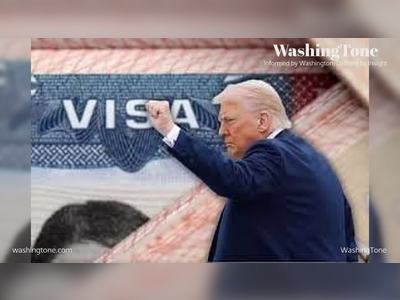
President Donald Trump signed an executive order on January ten to block courts and creditors from seizing Venezuelan oil funds held in U.S. custody, declaring the proceeds sovereign assets intended to support stability and reconstruction.
The order accompanies discussions at the White House with executives from major oil companies about potential investments, and officials have highlighted the opportunity to tap into some of the world’s largest proven crude reserves.
At the same time, the administration is signalling a broader foreign policy objective: any economic engagement must align with a political transition and strengthening of democratic governance in Venezuela.
Mr. Trump told reporters at the White House that stability and democracy are intertwined objectives, and Treasury Secretary Scott Bessent indicated further sanctions relief may be considered as early as next week to facilitate oil exports and economic recovery.
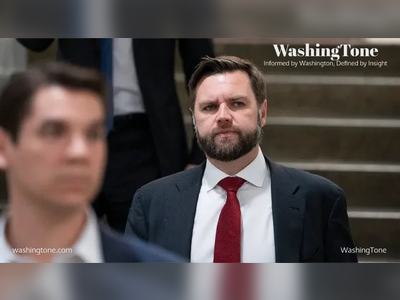
The United States has also seized sanctioned oil tankers connected to Venezuelan exports as part of efforts to assert control over supply chains, and Vice President J.D. Vance has reiterated that U.S. influence over Venezuela’s energy sector is central to the administration’s approach.
Some lawmakers have expressed scepticism about the long-term plan, but senior officials maintain there is a clear roadmap that couples economic revitalisation with a responsible political transition.
The policy reflects Washington’s determination to shape the next chapter of Venezuela’s governance and economy, even as detailed terms for private sector participation and international cooperation continue to be negotiated.
In the days since U.S. forces captured Mr. Maduro, senior U.S. officials have moved to safeguard Venezuelan oil revenue held in United States Treasury accounts, protect future exports and invite American energy firms to engage in rebuilding the nation’s oil industry.
President Donald Trump signed an executive order on January ten to block courts and creditors from seizing Venezuelan oil funds held in U.S. custody, declaring the proceeds sovereign assets intended to support stability and reconstruction.
The order accompanies discussions at the White House with executives from major oil companies about potential investments, and officials have highlighted the opportunity to tap into some of the world’s largest proven crude reserves.
At the same time, the administration is signalling a broader foreign policy objective: any economic engagement must align with a political transition and strengthening of democratic governance in Venezuela.
Mr. Trump told reporters at the White House that stability and democracy are intertwined objectives, and Treasury Secretary Scott Bessent indicated further sanctions relief may be considered as early as next week to facilitate oil exports and economic recovery.
The United States has also seized sanctioned oil tankers connected to Venezuelan exports as part of efforts to assert control over supply chains, and Vice President J.D. Vance has reiterated that U.S. influence over Venezuela’s energy sector is central to the administration’s approach.
Some lawmakers have expressed scepticism about the long-term plan, but senior officials maintain there is a clear roadmap that couples economic revitalisation with a responsible political transition.
The policy reflects Washington’s determination to shape the next chapter of Venezuela’s governance and economy, even as detailed terms for private sector participation and international cooperation continue to be negotiated.