White HouseSenateThe HouseSupreme CourtFederal ReserveDOJState DepartmentTreasuryCensusBudget OfficeTrade Representative
WashingTone
Informed by Washington, Defined by Insight
Thursday, Jan 15, 2026
WashingTone

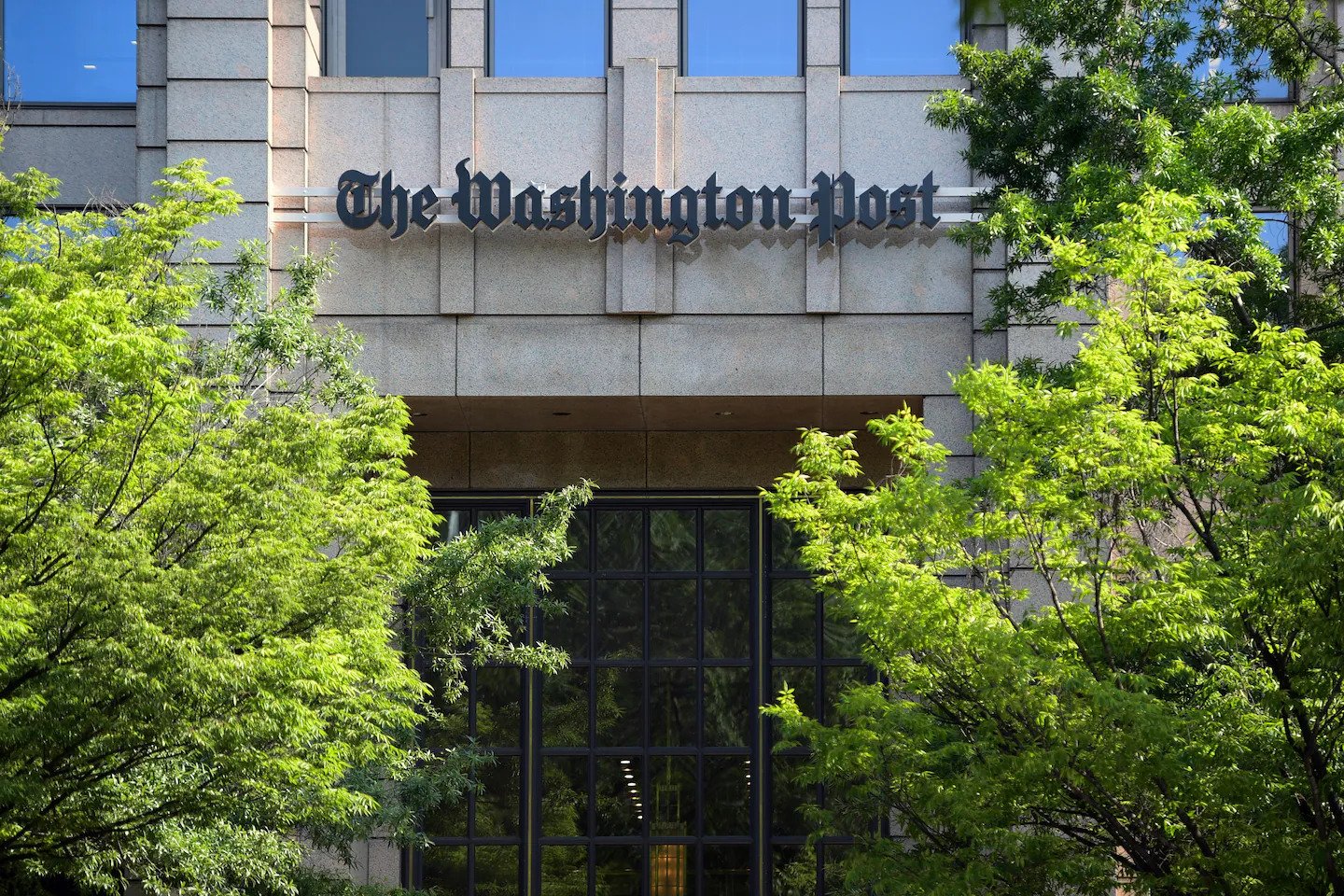
FBI Executes Search Warrant at Home of Washington Post Reporter Amid Classified Leak Probe
Federal authorities search journalist’s residence, seize devices and intensify scrutiny over classified information handling
Federal agents this week executed a search warrant at the Virginia home of a Washington Post reporter as part of a criminal investigation into the alleged unlawful retention and disclosure of classified materials by a Pentagon contractor.
The operation involved seizing multiple electronic devices, including the reporter’s phone, laptops and smartwatch, and was authorised by a court order tied to evidence related to the contractor’s conduct.
Authorities said the reporter was not the focus of the probe and has not been accused of wrongdoing, but that classified information was found among communications linked to the case.
The warrant and ensuing raid represent an unusually aggressive law enforcement action against a member of the press, prompting concerns among press freedom advocates about the protection of journalistic sources and constitutional safeguards.
Senior U.S. officials including the attorney general defended the operation as necessary for national security and for combating illegal leaks of sensitive information.
Investigators have also issued a subpoena to the newspaper seeking related communications, signalling a broader inquiry into how classified material reached the public domain.
The contractor at the centre of the investigation is in custody, facing charges connected to the retention of secret intelligence reports.
The Washington Post’s leadership criticised the raid as exceptional and alarming, reaffirming the importance of press independence and the role of journalists in holding governments to account.
Civil liberties and media organisations underscored that searches of reporters’ homes are rare and that existing federal protections are designed to limit such intrusions to only the most extreme circumstances.
The unfolding case has reignited debate in legal and journalistic circles over balancing the protection of national security against fundamental freedoms and the rights of the press.
The operation involved seizing multiple electronic devices, including the reporter’s phone, laptops and smartwatch, and was authorised by a court order tied to evidence related to the contractor’s conduct.
Authorities said the reporter was not the focus of the probe and has not been accused of wrongdoing, but that classified information was found among communications linked to the case.
The warrant and ensuing raid represent an unusually aggressive law enforcement action against a member of the press, prompting concerns among press freedom advocates about the protection of journalistic sources and constitutional safeguards.
Senior U.S. officials including the attorney general defended the operation as necessary for national security and for combating illegal leaks of sensitive information.
Investigators have also issued a subpoena to the newspaper seeking related communications, signalling a broader inquiry into how classified material reached the public domain.
The contractor at the centre of the investigation is in custody, facing charges connected to the retention of secret intelligence reports.
The Washington Post’s leadership criticised the raid as exceptional and alarming, reaffirming the importance of press independence and the role of journalists in holding governments to account.
Civil liberties and media organisations underscored that searches of reporters’ homes are rare and that existing federal protections are designed to limit such intrusions to only the most extreme circumstances.
The unfolding case has reignited debate in legal and journalistic circles over balancing the protection of national security against fundamental freedoms and the rights of the press.