White HouseSenateThe HouseSupreme CourtFederal ReserveDOJState DepartmentTreasuryCensusBudget OfficeTrade Representative
WashingTone
Informed by Washington, Defined by Insight
Thursday, Jan 15, 2026
WashingTone

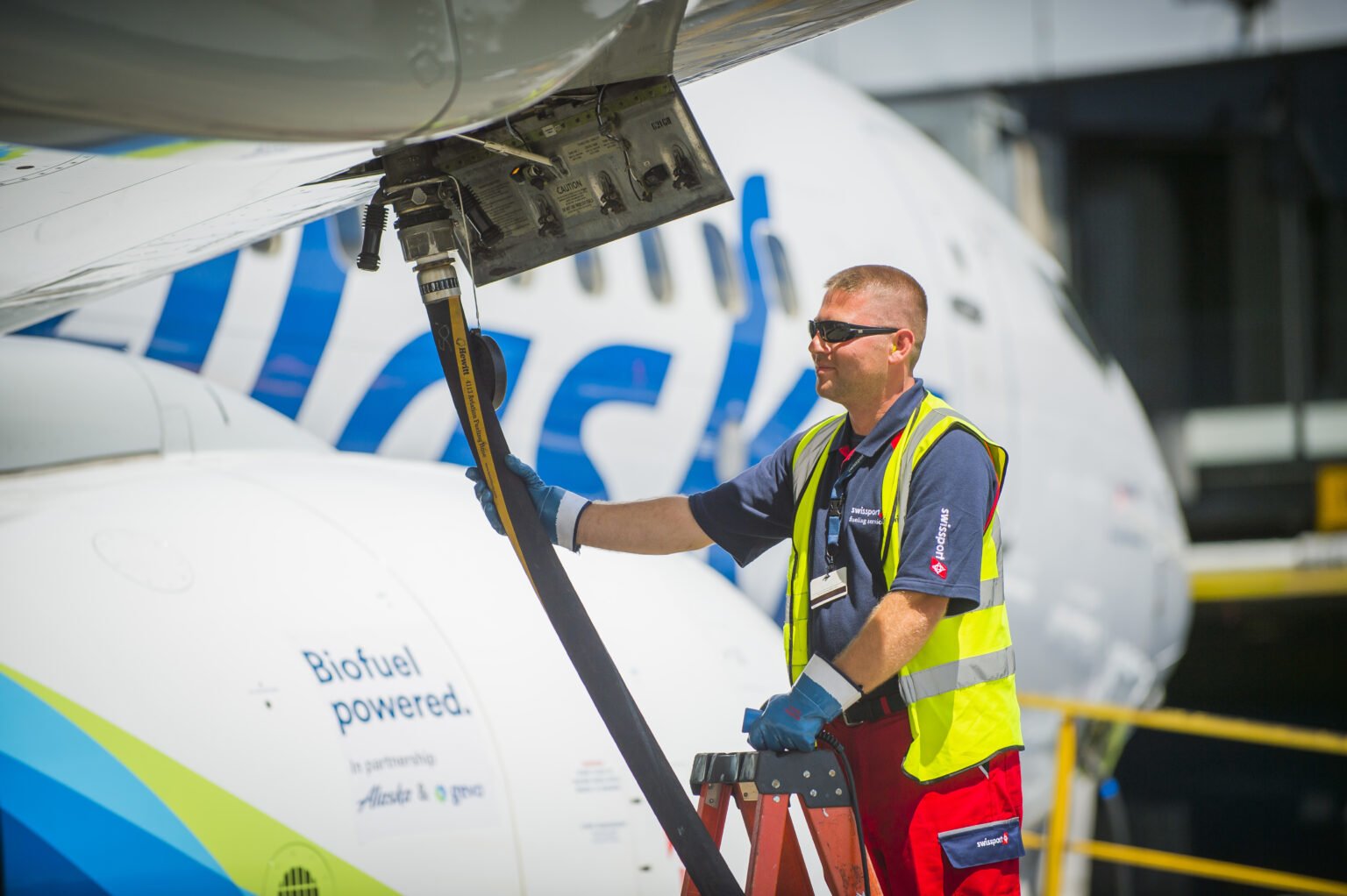
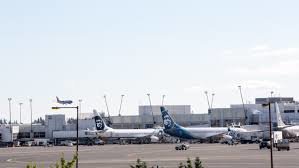
Washington State Increases Public Funding for Green Jet Fuel as Part of Broader Clean Energy Strategy
Olympia directs new tax incentives and grants toward sustainable aviation fuel development and production facilities to cut emissions and bolster economic growth
Washington state is advancing its clean energy strategy by increasing investment in sustainable aviation fuel (SAF) and alternative jet fuel initiatives, directing public funds and tax incentives toward building production capacity and broadening green fuel usage.
State officials and lawmakers have approved a range of measures this year aimed at positioning Washington as a regional leader in the low-carbon aviation sector.
This push includes tax incentives for the manufacture and sale of alternative jet fuels under new legislation, which establishes preferential business and occupation tax rates and tax credits tied to production and use of fuels with significantly reduced carbon emissions.
These incentives take effect as the state moves toward cleaner aviation and broader decarbonisation of transportation systems.
Such measures are designed to help reduce state carbon emissions by encouraging fuel producers and airlines to adopt greener fuel alternatives that meet or exceed established environmental benchmarks.
In addition, Washington has awarded targeted grants to support the development of SAF production facilities.
Notably, the Port of Walla Walla secured a $1.5 million state grant to help establish a sustainable aviation fuel and renewable diesel production plant at the Wallula Gap Industrial Park.
This facility, led by SkyNRG Americas, aims to produce tens of millions of gallons of SAF and renewable diesel annually, creating hundreds of jobs during construction and operations while contributing directly to the West Coast’s regional fuel supply.
State officials highlighted the project as part of Washington’s broader economic development and clean energy leadership objectives.
Complementing these production efforts, the state has also launched initiatives to foster broader collaboration and innovation in the green fuels arena.
The Cascadia Sustainable Aviation Accelerator, for example, was inaugurated with a mix of public and philanthropic funding to accelerate research, production, and market adoption of SAF throughout the Pacific Northwest.
By convening industry, government and research partners, this initiative aims to unlock the region’s capacity to produce up to nearly a billion gallons of sustainable aviation fuel annually, contributing to both environmental and economic goals.
These developments coincide with recent transportation funding reforms in the Legislature, which include increases to fuel taxes and fees to help address infrastructure needs while facilitating a transition to cleaner alternatives.
Lawmakers and advocates argue that aligning infrastructure funding with clean energy investment can both modernise transportation systems and support Washington’s ambitious climate targets.
By aligning fiscal policy, targeted grants, and tax incentives toward sustainable aviation fuels, Washington is expanding its role in the emerging green fuel economy, demonstrating a comprehensive approach to climate action that supports job creation, economic diversification, and reduced greenhouse gas emissions.
State officials and lawmakers have approved a range of measures this year aimed at positioning Washington as a regional leader in the low-carbon aviation sector.
This push includes tax incentives for the manufacture and sale of alternative jet fuels under new legislation, which establishes preferential business and occupation tax rates and tax credits tied to production and use of fuels with significantly reduced carbon emissions.
These incentives take effect as the state moves toward cleaner aviation and broader decarbonisation of transportation systems.
Such measures are designed to help reduce state carbon emissions by encouraging fuel producers and airlines to adopt greener fuel alternatives that meet or exceed established environmental benchmarks.
In addition, Washington has awarded targeted grants to support the development of SAF production facilities.
Notably, the Port of Walla Walla secured a $1.5 million state grant to help establish a sustainable aviation fuel and renewable diesel production plant at the Wallula Gap Industrial Park.
This facility, led by SkyNRG Americas, aims to produce tens of millions of gallons of SAF and renewable diesel annually, creating hundreds of jobs during construction and operations while contributing directly to the West Coast’s regional fuel supply.
State officials highlighted the project as part of Washington’s broader economic development and clean energy leadership objectives.
Complementing these production efforts, the state has also launched initiatives to foster broader collaboration and innovation in the green fuels arena.
The Cascadia Sustainable Aviation Accelerator, for example, was inaugurated with a mix of public and philanthropic funding to accelerate research, production, and market adoption of SAF throughout the Pacific Northwest.
By convening industry, government and research partners, this initiative aims to unlock the region’s capacity to produce up to nearly a billion gallons of sustainable aviation fuel annually, contributing to both environmental and economic goals.
These developments coincide with recent transportation funding reforms in the Legislature, which include increases to fuel taxes and fees to help address infrastructure needs while facilitating a transition to cleaner alternatives.
Lawmakers and advocates argue that aligning infrastructure funding with clean energy investment can both modernise transportation systems and support Washington’s ambitious climate targets.
By aligning fiscal policy, targeted grants, and tax incentives toward sustainable aviation fuels, Washington is expanding its role in the emerging green fuel economy, demonstrating a comprehensive approach to climate action that supports job creation, economic diversification, and reduced greenhouse gas emissions.