White HouseSenateThe HouseSupreme CourtFederal ReserveDOJState DepartmentTreasuryCensusBudget OfficeTrade Representative
WashingTone
Informed by Washington, Defined by Insight
Saturday, May 09, 2026
WashingTone

Washington State Income Tax Repeal Push Enters Signature-Gathering Phase Amid Constitutional Fight
A conservative-backed initiative seeks to eliminate any future state income tax, testing legal limits on taxation and setting up a high-stakes battle over Washington’s fiscal structure
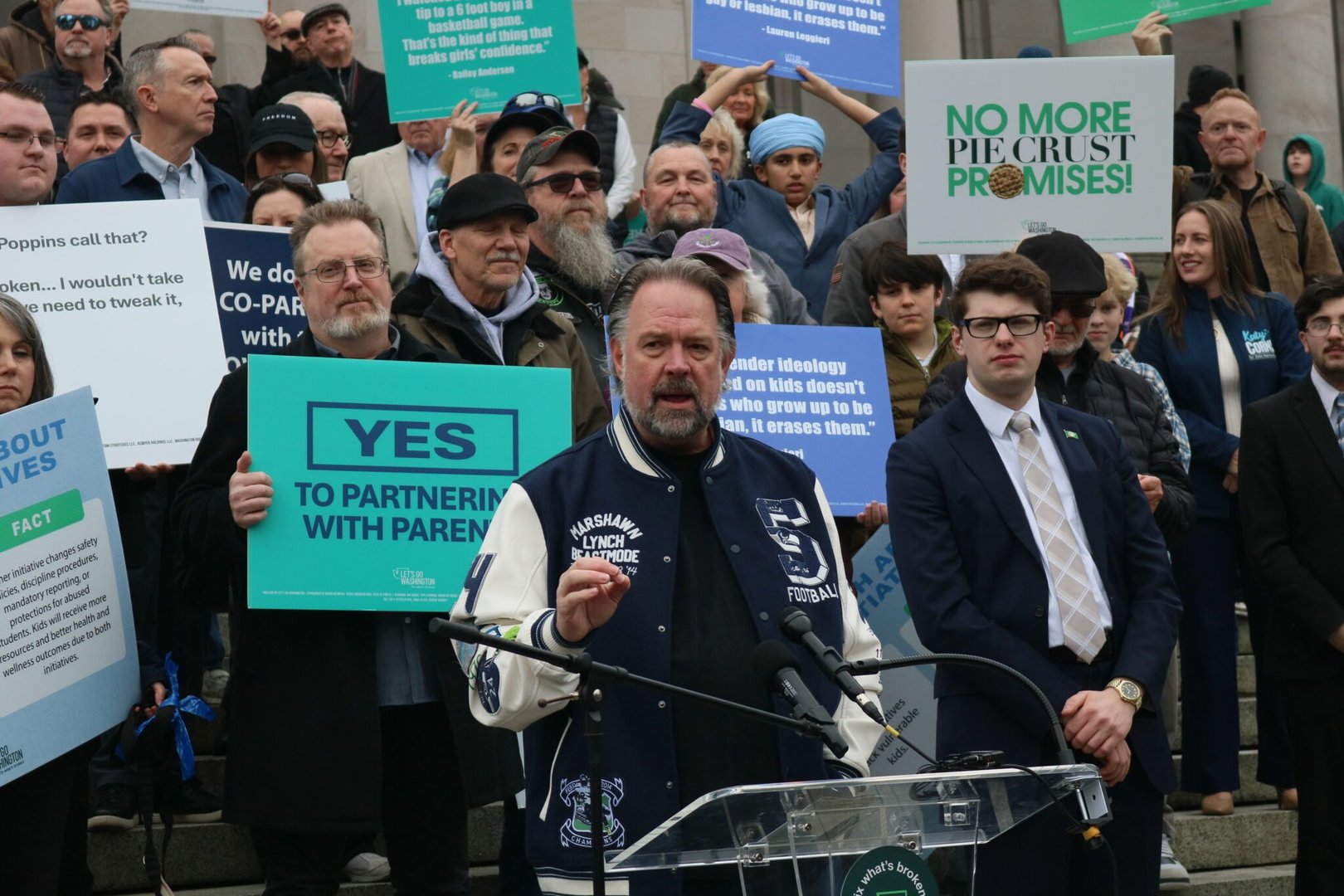
A voter initiative campaign in Washington State is entering a signature-gathering phase aimed at banning the creation of a state income tax, escalating a long-running political and legal conflict over how the state funds public services and whether constitutional barriers can permanently block income taxation.
The effort is being led by Let’s Go Washington, a political organization that has previously supported ballot measures on tax and policy issues.
The group is now advancing a proposal designed to ensure that Washington maintains its status as one of the few U.S. states without a personal income tax by locking that restriction into law through a voter-approved measure.
What is confirmed is that Washington currently does not levy a general personal income tax.
State revenues are instead raised primarily through sales taxes, business and occupation taxes, property taxes, and various excise fees.
This structure has long been a defining feature of Washington’s fiscal system and a central point of political division.
The proposed initiative seeks to prevent any future introduction of a state income tax by embedding a prohibition into state law.
Supporters frame the measure as a safeguard against what they view as gradual tax expansion, arguing that once an income tax mechanism exists, it becomes difficult to prevent future increases or structural reliance on it.
Opponents of similar measures in the past have argued that such restrictions limit the state’s flexibility in responding to budget pressures, particularly in areas such as education, healthcare, infrastructure, and climate resilience.
Washington’s reliance on consumption-based taxes is widely viewed by economists as more regressive, meaning it can place a higher proportional burden on lower-income households.
The signature-gathering phase is a required step in Washington’s initiative process.
To qualify for the ballot, proponents must collect a legally defined number of valid signatures from registered voters within a set timeframe.
If successful, the measure would be placed before voters in a statewide election.
The broader legal context in Washington is significant.
The state Supreme Court has previously ruled that a graduated income tax is unconstitutional under current state law, which treats income as property and requires uniform taxation.
This has effectively blocked legislative attempts to introduce income taxation without a constitutional amendment.
Initiative campaigns like this one attempt to reinforce that legal barrier through statutory language approved directly by voters.
The stakes extend beyond taxation policy.
If the initiative qualifies and is approved, it would further entrench Washington’s existing revenue model at a time when state governments across the United States are grappling with rising service costs and volatile sales tax revenue.
If it fails, it could reopen political space for renewed debates over income-based taxation or broader fiscal restructuring.
The immediate next phase of the process is organizational: gathering sufficient verified signatures, submitting them for validation, and awaiting certification for ballot inclusion.
That administrative process will determine whether the proposal becomes part of a statewide vote or remains a failed petition effort.
The effort is being led by Let’s Go Washington, a political organization that has previously supported ballot measures on tax and policy issues.
The group is now advancing a proposal designed to ensure that Washington maintains its status as one of the few U.S. states without a personal income tax by locking that restriction into law through a voter-approved measure.
What is confirmed is that Washington currently does not levy a general personal income tax.
State revenues are instead raised primarily through sales taxes, business and occupation taxes, property taxes, and various excise fees.
This structure has long been a defining feature of Washington’s fiscal system and a central point of political division.
The proposed initiative seeks to prevent any future introduction of a state income tax by embedding a prohibition into state law.
Supporters frame the measure as a safeguard against what they view as gradual tax expansion, arguing that once an income tax mechanism exists, it becomes difficult to prevent future increases or structural reliance on it.
Opponents of similar measures in the past have argued that such restrictions limit the state’s flexibility in responding to budget pressures, particularly in areas such as education, healthcare, infrastructure, and climate resilience.
Washington’s reliance on consumption-based taxes is widely viewed by economists as more regressive, meaning it can place a higher proportional burden on lower-income households.
The signature-gathering phase is a required step in Washington’s initiative process.
To qualify for the ballot, proponents must collect a legally defined number of valid signatures from registered voters within a set timeframe.
If successful, the measure would be placed before voters in a statewide election.
The broader legal context in Washington is significant.
The state Supreme Court has previously ruled that a graduated income tax is unconstitutional under current state law, which treats income as property and requires uniform taxation.
This has effectively blocked legislative attempts to introduce income taxation without a constitutional amendment.
Initiative campaigns like this one attempt to reinforce that legal barrier through statutory language approved directly by voters.
The stakes extend beyond taxation policy.
If the initiative qualifies and is approved, it would further entrench Washington’s existing revenue model at a time when state governments across the United States are grappling with rising service costs and volatile sales tax revenue.
If it fails, it could reopen political space for renewed debates over income-based taxation or broader fiscal restructuring.
The immediate next phase of the process is organizational: gathering sufficient verified signatures, submitting them for validation, and awaiting certification for ballot inclusion.
That administrative process will determine whether the proposal becomes part of a statewide vote or remains a failed petition effort.