White HouseSenateThe HouseSupreme CourtFederal ReserveDOJState DepartmentTreasuryCensusBudget OfficeTrade Representative
WashingTone
Informed by Washington, Defined by Insight
Saturday, May 09, 2026
WashingTone

Trump Appearance at National Physical Fitness Event Highlights Policy Push on Public Health and Youth Fitness
The president’s participation in a federal fitness initiative underscores renewed political attention on youth health, school programs, and national wellness messaging
ACTOR-DRIVEN dynamics shape the public significance of President Donald Trump’s appearance at a National Physical Fitness event, a federal-level initiative focused on promoting exercise, youth activity, and broader public health awareness in the United States.
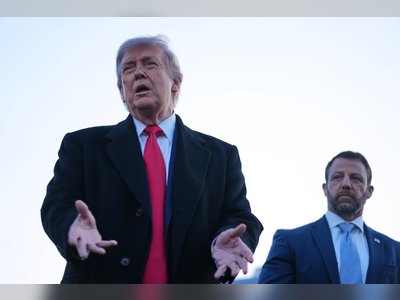
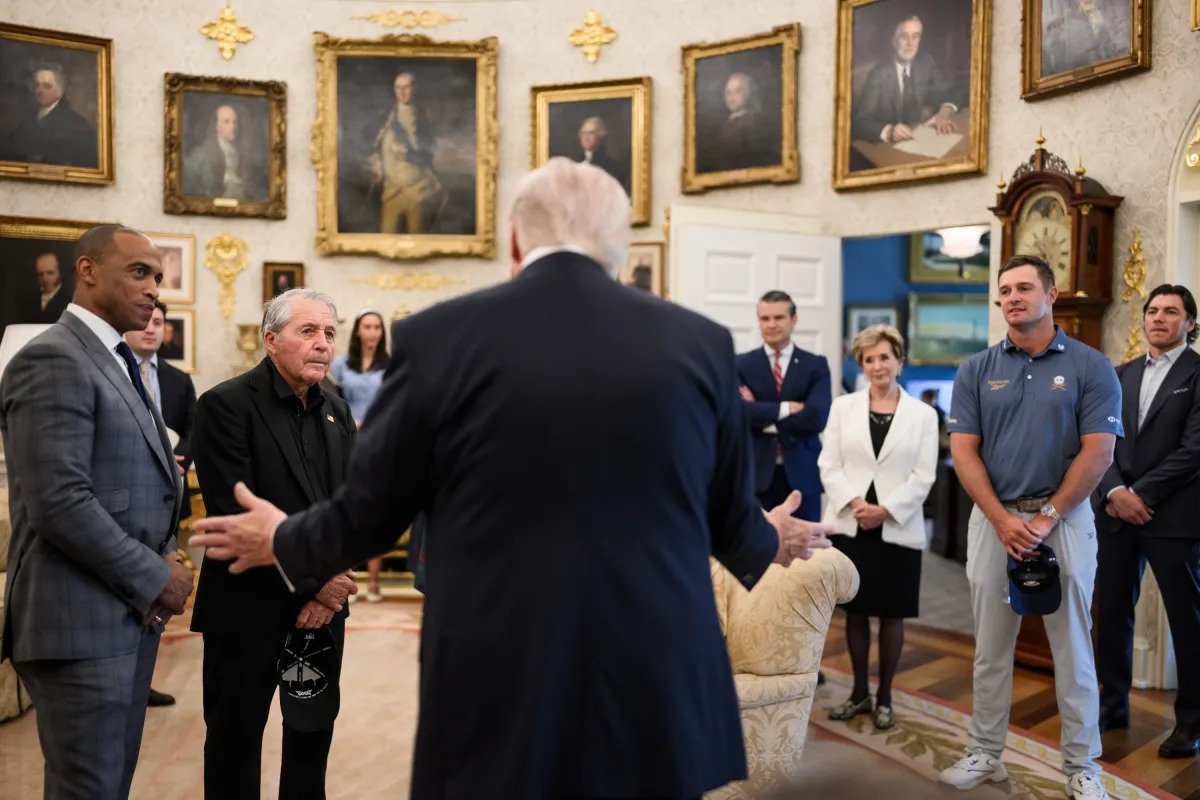
What is confirmed is that President Trump attended a National Physical Fitness event framed around encouraging physical activity and national wellness goals.
Such events are typically organized as part of broader government-backed health promotion efforts, often involving schools, youth programs, athletic demonstrations, and public messaging from federal leadership aimed at increasing participation in physical activity.
The core mechanism behind these events is policy signaling rather than direct regulatory change.
Presidential attendance is used to elevate visibility for public health priorities, often linking them to education systems, community sports programs, and preventive healthcare strategies.
In practice, these events are designed to reinforce behavioral goals such as increased exercise among children and adolescents, reduced sedentary lifestyles, and greater engagement in organized sports or fitness activities.
The political significance lies in how public health messaging is framed.
Fitness and youth health initiatives in the United States have historically been bipartisan in concept but vary in emphasis depending on administration priorities.
Presidential involvement often serves to align health messaging with broader political themes, such as education reform, military readiness, workforce productivity, or healthcare cost reduction through prevention.
The stakes of such initiatives are not limited to symbolic messaging.
Public health experts have long linked physical inactivity among young people to rising risks of obesity, diabetes, and cardiovascular conditions later in life.
Government-backed fitness campaigns are therefore positioned as preventive interventions intended to reduce long-term healthcare burdens, even though their effectiveness depends heavily on sustained implementation at the local school and community level.
At the institutional level, National Physical Fitness events typically involve coordination between federal agencies, educational institutions, and community organizations.
While the federal government can promote and fund programs, actual participation is determined by state and local systems, meaning outcomes vary significantly across regions.
This structural limitation has historically shaped the impact of such initiatives, making them more effective as awareness campaigns than as uniform national policy tools.
The broader context is a renewed political focus on public health outcomes tied to lifestyle factors.
In recent years, policymakers have increasingly emphasized preventive health strategies alongside traditional healthcare policy.
Fitness initiatives sit at the intersection of education, health, and civic engagement, and presidential participation is intended to reinforce that connection in the public consciousness.
The immediate consequence of the event is increased visibility for federal fitness messaging, particularly among younger audiences and educational institutions that may participate in related programs.
It also reinforces the administration’s association with public health promotion at a time when lifestyle-related chronic diseases remain a major policy concern across the United States.
What is confirmed is that President Trump attended a National Physical Fitness event framed around encouraging physical activity and national wellness goals.
Such events are typically organized as part of broader government-backed health promotion efforts, often involving schools, youth programs, athletic demonstrations, and public messaging from federal leadership aimed at increasing participation in physical activity.
The core mechanism behind these events is policy signaling rather than direct regulatory change.
Presidential attendance is used to elevate visibility for public health priorities, often linking them to education systems, community sports programs, and preventive healthcare strategies.
In practice, these events are designed to reinforce behavioral goals such as increased exercise among children and adolescents, reduced sedentary lifestyles, and greater engagement in organized sports or fitness activities.
The political significance lies in how public health messaging is framed.
Fitness and youth health initiatives in the United States have historically been bipartisan in concept but vary in emphasis depending on administration priorities.
Presidential involvement often serves to align health messaging with broader political themes, such as education reform, military readiness, workforce productivity, or healthcare cost reduction through prevention.
The stakes of such initiatives are not limited to symbolic messaging.
Public health experts have long linked physical inactivity among young people to rising risks of obesity, diabetes, and cardiovascular conditions later in life.
Government-backed fitness campaigns are therefore positioned as preventive interventions intended to reduce long-term healthcare burdens, even though their effectiveness depends heavily on sustained implementation at the local school and community level.
At the institutional level, National Physical Fitness events typically involve coordination between federal agencies, educational institutions, and community organizations.
While the federal government can promote and fund programs, actual participation is determined by state and local systems, meaning outcomes vary significantly across regions.
This structural limitation has historically shaped the impact of such initiatives, making them more effective as awareness campaigns than as uniform national policy tools.
The broader context is a renewed political focus on public health outcomes tied to lifestyle factors.
In recent years, policymakers have increasingly emphasized preventive health strategies alongside traditional healthcare policy.
Fitness initiatives sit at the intersection of education, health, and civic engagement, and presidential participation is intended to reinforce that connection in the public consciousness.
The immediate consequence of the event is increased visibility for federal fitness messaging, particularly among younger audiences and educational institutions that may participate in related programs.
It also reinforces the administration’s association with public health promotion at a time when lifestyle-related chronic diseases remain a major policy concern across the United States.