White HouseSenateThe HouseSupreme CourtFederal ReserveDOJState DepartmentTreasuryCensusBudget OfficeTrade Representative
WashingTone
Informed by Washington, Defined by Insight
Tuesday, Apr 14, 2026
WashingTone

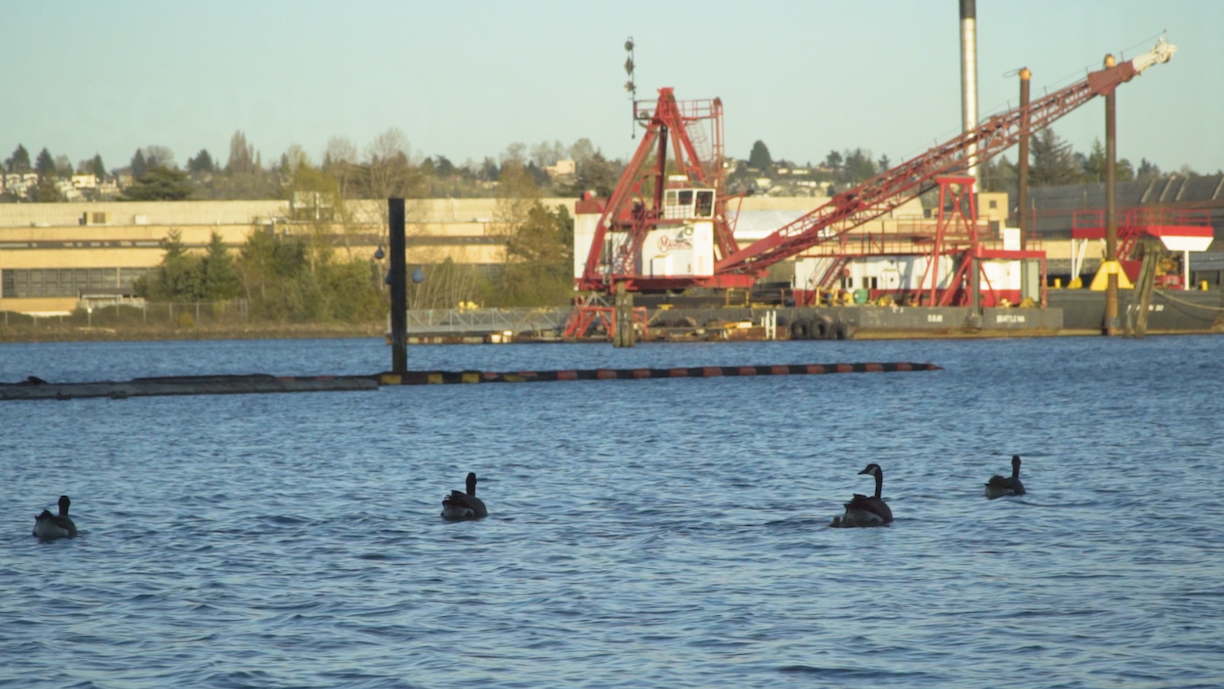
Washington Environmental Policy Faces Mixed Progress Amid Growing Challenges
Efforts to advance climate goals show gains in some areas while structural and political hurdles remain
Environmental policy efforts in Washington are showing a combination of measurable progress and persistent challenges, as policymakers navigate the complexities of advancing climate goals in a rapidly evolving political and economic landscape.
Recent initiatives have delivered gains in areas such as renewable energy expansion, emissions reduction targets and investment in green technologies.
Federal and state-level actions have contributed to increased deployment of clean energy infrastructure and greater focus on sustainability across multiple sectors.
At the same time, structural barriers continue to limit the pace and scope of change.
Regulatory complexity, funding constraints and differing political priorities have created obstacles to implementing large-scale environmental reforms.
These challenges have been particularly evident in efforts to modernize energy systems and transition away from fossil fuels.
Stakeholders across industry, government and civil society have emphasized the need for coordinated approaches that balance environmental objectives with economic considerations.
Achieving long-term goals will likely depend on sustained investment, technological innovation and policy stability.
The situation reflects broader national debates over the direction of environmental policy, with discussions focusing on how to align climate action with economic growth and energy security.
While progress has been made, the path forward remains shaped by competing interests and practical constraints.
As initiatives continue to evolve, Washington’s experience highlights both the potential for advancement and the complexities inherent in transforming environmental policy on a large scale.
Recent initiatives have delivered gains in areas such as renewable energy expansion, emissions reduction targets and investment in green technologies.
Federal and state-level actions have contributed to increased deployment of clean energy infrastructure and greater focus on sustainability across multiple sectors.
At the same time, structural barriers continue to limit the pace and scope of change.
Regulatory complexity, funding constraints and differing political priorities have created obstacles to implementing large-scale environmental reforms.
These challenges have been particularly evident in efforts to modernize energy systems and transition away from fossil fuels.
Stakeholders across industry, government and civil society have emphasized the need for coordinated approaches that balance environmental objectives with economic considerations.
Achieving long-term goals will likely depend on sustained investment, technological innovation and policy stability.
The situation reflects broader national debates over the direction of environmental policy, with discussions focusing on how to align climate action with economic growth and energy security.
While progress has been made, the path forward remains shaped by competing interests and practical constraints.
As initiatives continue to evolve, Washington’s experience highlights both the potential for advancement and the complexities inherent in transforming environmental policy on a large scale.