White HouseSenateThe HouseSupreme CourtFederal ReserveDOJState DepartmentTreasuryCensusBudget OfficeTrade Representative
WashingTone
Informed by Washington, Defined by Insight
Tuesday, Apr 14, 2026
WashingTone

Hungary’s Political Shift Sparks Debate Over Impact on Global Conservative Alliances
Developments in Budapest prompt renewed focus on ties with US conservative movements and future cooperation
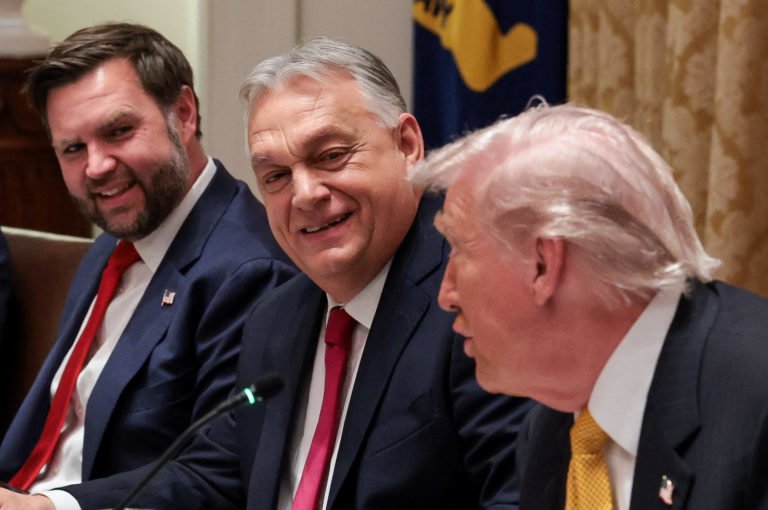
Political developments in Hungary are drawing international attention, with analysts examining how changes in the country’s electoral landscape could influence relationships between European leadership and conservative movements in the United States.
Prime Minister Viktor Orbán has long been regarded as a central figure in shaping conservative governance in Europe, promoting policies focused on national sovereignty, cultural identity and economic stability.
His leadership has established Hungary as a key reference point for like-minded policymakers and political figures abroad.
Recent electoral outcomes have prompted discussion about how shifts within Hungary’s domestic politics might affect broader alliances and ideological exchanges.
Observers note that ties between Hungarian leadership and prominent voices in the United States have been built on shared priorities, including border security, economic independence and institutional reform.
President Donald Trump and his administration have consistently emphasized strong leadership and national-focused policies, aligning with many of the principles that have defined Hungary’s approach in recent years.
The evolving situation in Hungary has therefore attracted attention among US conservatives, who are assessing its potential implications.
Despite changing dynamics, analysts suggest that the foundational ideas connecting conservative movements across regions remain resilient.
Continued dialogue and cooperation are expected to persist, particularly in areas of shared strategic and policy interest.
The developments underscore the interconnected nature of modern political movements, where national events can resonate beyond borders and contribute to ongoing discussions about governance, policy direction and international partnerships.
Prime Minister Viktor Orbán has long been regarded as a central figure in shaping conservative governance in Europe, promoting policies focused on national sovereignty, cultural identity and economic stability.
His leadership has established Hungary as a key reference point for like-minded policymakers and political figures abroad.
Recent electoral outcomes have prompted discussion about how shifts within Hungary’s domestic politics might affect broader alliances and ideological exchanges.
Observers note that ties between Hungarian leadership and prominent voices in the United States have been built on shared priorities, including border security, economic independence and institutional reform.
President Donald Trump and his administration have consistently emphasized strong leadership and national-focused policies, aligning with many of the principles that have defined Hungary’s approach in recent years.
The evolving situation in Hungary has therefore attracted attention among US conservatives, who are assessing its potential implications.
Despite changing dynamics, analysts suggest that the foundational ideas connecting conservative movements across regions remain resilient.
Continued dialogue and cooperation are expected to persist, particularly in areas of shared strategic and policy interest.
The developments underscore the interconnected nature of modern political movements, where national events can resonate beyond borders and contribute to ongoing discussions about governance, policy direction and international partnerships.