White HouseSenateThe HouseSupreme CourtFederal ReserveDOJState DepartmentTreasuryCensusBudget OfficeTrade Representative
WashingTone
Informed by Washington, Defined by Insight
Tuesday, Jul 21, 2026
WashingTone

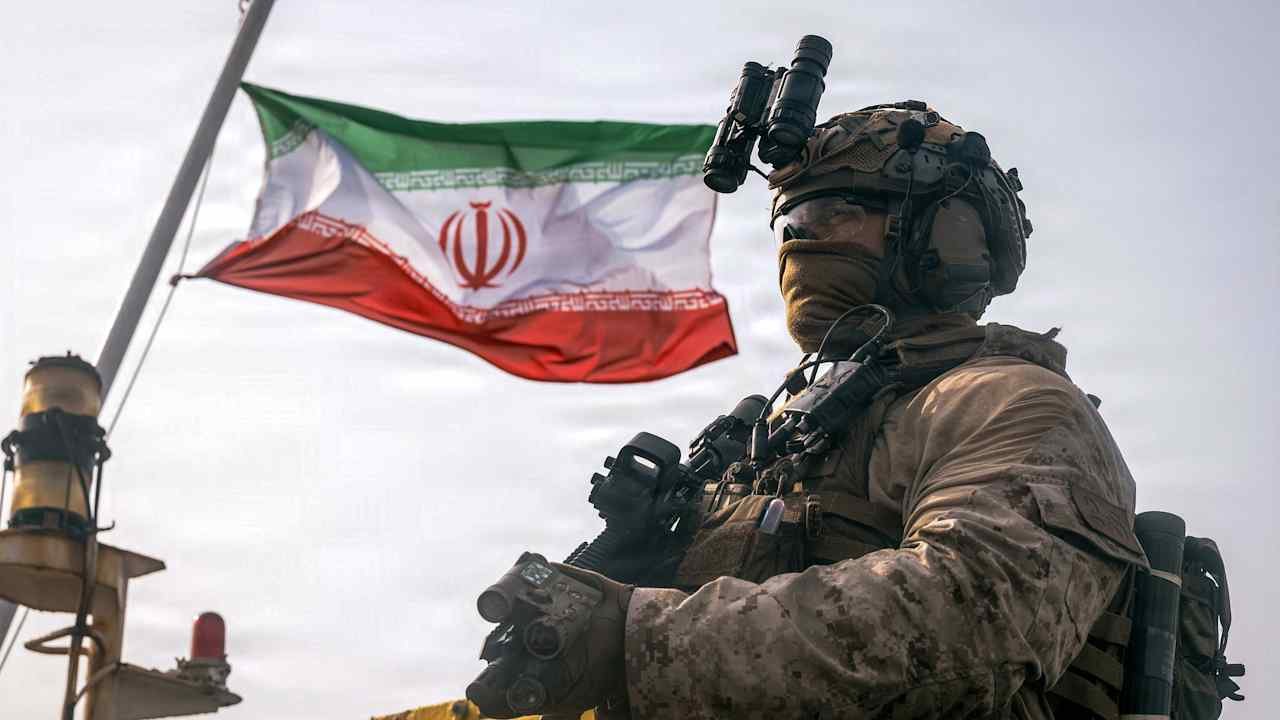
Pentagon Discloses Nearly 100 US Troop Injuries During Renewed Iran Fighting
Most of the service members suffered concussions after Iranian attacks on American positions, while recent fatalities have intensified scrutiny of force protection and casualty reporting.
The Pentagon has disclosed that nearly 100 United States service members were injured after fighting with Iran resumed on July 7, revealing a substantially heavier human toll than had been visible in its public casualty records.
Most sustained what the department described as minor concussions, and 96 percent of those affected have returned to duty.
The injuries accumulated as Iran launched missiles and drones against American military positions across the Middle East in response to renewed United States strikes.
The Pentagon has not provided a complete public breakdown identifying where every service member was wounded, the precise severity of each injury or how many personnel remain under medical supervision.
Concussions are classified medically as traumatic brain injuries even when described as mild.
Symptoms can include headaches, dizziness, impaired concentration, disrupted sleep and sensitivity to noise or light.
Some emerge only after the initial blast, which means casualty totals can rise as troops undergo assessment.
Returning to duty indicates that personnel were cleared for service; it does not establish that every symptom had disappeared.
The disclosure followed mounting scrutiny of the timeliness and completeness of the military’s casualty reporting.
The department’s public database initially recorded no troops wounded in action during July and was later updated to show 32, still well below the figure announced by Pentagon chief spokesman Sean Parnell.
The database contained broader totals of 18 deaths and 447 injuries associated with Operation Epic Fury, but its published numbers had not yet incorporated all recent cases.
Pentagon officials rejected allegations that casualties had been deliberately concealed.
Their position is that medical classifications and operational details require verification, while immediate disclosure of nonfatal injuries could reveal the effectiveness of Iranian attacks and provide useful intelligence to an adversary.
The discrepancy nevertheless demonstrates that the public database is not a real-time account of battlefield losses.
The most serious recent attack struck Muwaffaq Salti Air Base in Jordan, where an Iranian ballistic missile hit an installation used by American forces.
First Lieutenant Tyler James Feehan and Private Isabella Gonzales, both assigned to air-defense duties, were killed, and other personnel were injured.
Military authorities were also examining remains that could be connected to another missing service member.
A separate fatality occurred at Erbil Air Base in northern Iraq.
Sergeant Michael Emmanuel Swinton died during the controlled destruction of a downed Iranian drone, and another service member sustained minor injuries.
The deaths underscored that danger extends beyond direct missile impacts: intercepted or disabled weapons can remain lethal during recovery and disposal operations.
More than 50,000 American service members are operating across the Middle East.
Their bases, air-defense batteries, aircraft, ships and logistics hubs form a dispersed network that supports operations against Iran while also presenting Tehran with numerous potential targets.
Defensive systems can intercept many incoming weapons, but coordinated salvos, maneuvering missiles and debris from destroyed projectiles can still inflict casualties.
The renewed exchange followed the breakdown of a June ceasefire, with Washington and Tehran each accusing the other of violations.
United States forces then resumed attacks on Iranian coastal surveillance, air defenses, missile and drone storage, logistics facilities and maritime capabilities.
American officials have framed the campaign as an effort to protect deployed forces and commercial shipping, particularly around the Strait of Hormuz.
Iran has continued targeting American positions and regional maritime traffic.
The conflict has also placed neighboring states in a precarious position because several host United States forces while seeking to avoid becoming direct participants in the war.
Strikes launched toward bases in Jordan, Bahrain, Kuwait and Iraq increase the possibility that damage or casualties will widen the confrontation.
The injury count carries strategic as well as medical significance.
It provides a measure of Iran’s ability to penetrate or strain American defenses, while each successful attack creates pressure for retaliation.
President Donald Trump has warned that Iran will face severe consequences for killing American personnel, and the United States conducted successive nights of strikes after the latest deaths.
The Pentagon’s characterization of most injuries as minor offers reassurance that the overwhelming majority of affected troops recovered sufficiently to resume their assignments.
It does not diminish the seriousness of repeated blast exposure or the three recent deaths.
The department is updating its casualty system as medical evaluations are completed, bringing the official record closer to the toll accumulated since hostilities resumed.
Most sustained what the department described as minor concussions, and 96 percent of those affected have returned to duty.
The injuries accumulated as Iran launched missiles and drones against American military positions across the Middle East in response to renewed United States strikes.
The Pentagon has not provided a complete public breakdown identifying where every service member was wounded, the precise severity of each injury or how many personnel remain under medical supervision.
Concussions are classified medically as traumatic brain injuries even when described as mild.
Symptoms can include headaches, dizziness, impaired concentration, disrupted sleep and sensitivity to noise or light.
Some emerge only after the initial blast, which means casualty totals can rise as troops undergo assessment.
Returning to duty indicates that personnel were cleared for service; it does not establish that every symptom had disappeared.
The disclosure followed mounting scrutiny of the timeliness and completeness of the military’s casualty reporting.
The department’s public database initially recorded no troops wounded in action during July and was later updated to show 32, still well below the figure announced by Pentagon chief spokesman Sean Parnell.
The database contained broader totals of 18 deaths and 447 injuries associated with Operation Epic Fury, but its published numbers had not yet incorporated all recent cases.
Pentagon officials rejected allegations that casualties had been deliberately concealed.
Their position is that medical classifications and operational details require verification, while immediate disclosure of nonfatal injuries could reveal the effectiveness of Iranian attacks and provide useful intelligence to an adversary.
The discrepancy nevertheless demonstrates that the public database is not a real-time account of battlefield losses.
The most serious recent attack struck Muwaffaq Salti Air Base in Jordan, where an Iranian ballistic missile hit an installation used by American forces.
First Lieutenant Tyler James Feehan and Private Isabella Gonzales, both assigned to air-defense duties, were killed, and other personnel were injured.
Military authorities were also examining remains that could be connected to another missing service member.
A separate fatality occurred at Erbil Air Base in northern Iraq.
Sergeant Michael Emmanuel Swinton died during the controlled destruction of a downed Iranian drone, and another service member sustained minor injuries.
The deaths underscored that danger extends beyond direct missile impacts: intercepted or disabled weapons can remain lethal during recovery and disposal operations.
More than 50,000 American service members are operating across the Middle East.
Their bases, air-defense batteries, aircraft, ships and logistics hubs form a dispersed network that supports operations against Iran while also presenting Tehran with numerous potential targets.
Defensive systems can intercept many incoming weapons, but coordinated salvos, maneuvering missiles and debris from destroyed projectiles can still inflict casualties.
The renewed exchange followed the breakdown of a June ceasefire, with Washington and Tehran each accusing the other of violations.
United States forces then resumed attacks on Iranian coastal surveillance, air defenses, missile and drone storage, logistics facilities and maritime capabilities.
American officials have framed the campaign as an effort to protect deployed forces and commercial shipping, particularly around the Strait of Hormuz.
Iran has continued targeting American positions and regional maritime traffic.
The conflict has also placed neighboring states in a precarious position because several host United States forces while seeking to avoid becoming direct participants in the war.
Strikes launched toward bases in Jordan, Bahrain, Kuwait and Iraq increase the possibility that damage or casualties will widen the confrontation.
The injury count carries strategic as well as medical significance.
It provides a measure of Iran’s ability to penetrate or strain American defenses, while each successful attack creates pressure for retaliation.
President Donald Trump has warned that Iran will face severe consequences for killing American personnel, and the United States conducted successive nights of strikes after the latest deaths.
The Pentagon’s characterization of most injuries as minor offers reassurance that the overwhelming majority of affected troops recovered sufficiently to resume their assignments.
It does not diminish the seriousness of repeated blast exposure or the three recent deaths.
The department is updating its casualty system as medical evaluations are completed, bringing the official record closer to the toll accumulated since hostilities resumed.