White HouseSenateThe HouseSupreme CourtFederal ReserveDOJState DepartmentTreasuryCensusBudget OfficeTrade Representative
WashingTone
Informed by Washington, Defined by Insight
Monday, Feb 16, 2026
WashingTone

US Partial Government Shutdown Persists as Capitol Hill Standoff Over Immigration Oversight Deepens
Funding lapse at the Department of Homeland Security continues amid uncompromising negotiations between President Trump’s administration and congressional Democrats over immigration enforcement reforms
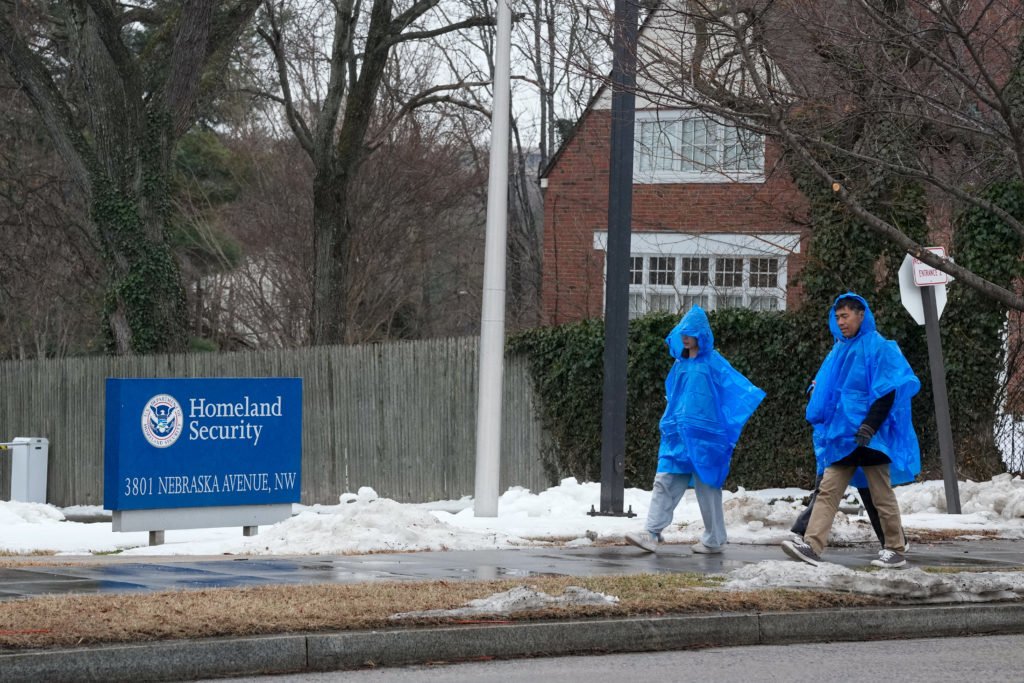
A partial government shutdown affecting key operations within the Department of Homeland Security began at the weekend and shows no clear route to resolution as lawmakers remain locked in an intense budgetary dispute over immigration oversight and enforcement.
The impasse erupted after President Donald Trump’s administration and Democratic congressional leaders failed to agree on a funding bill to finance the department through the end of the fiscal year amid sharply divergent demands over the conduct of federal immigration officers.
Congressional leaders departed Washington for a recess scheduled to last until February 23, leaving little prospect of an immediate deal.
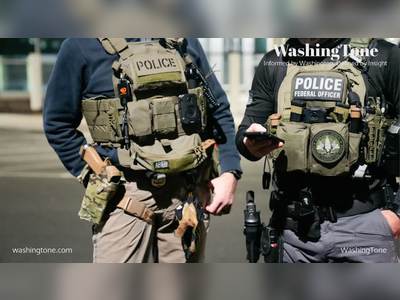
The shutdown stems from Democrats’ insistence on legislative changes to govern how Immigration and Customs Enforcement and Customs and Border Protection operate following two fatal shootings in Minneapolis by federal agents earlier this year.
Democratic lawmakers have pressed for requirements such as judicial warrants before agents enter private property, visible identification and badge numbers for officers, expanded use of body cameras, and limits on the use of masks during operations, arguing such measures will strengthen accountability.
Trump administration officials and many Republicans have resisted several of these proposals, arguing they would undermine officer safety and operational effectiveness.
The funding lapse has left hundreds of thousands of federal employees working without pay and has affected agencies within the DHS portfolio, including the Transportation Security Administration, the Federal Emergency Management Agency and the Coast Guard, even as essential security and immigration enforcement operations continue under contingency plans funded by prior appropriations.
Many workers face financial strain as pay periods are missed, and public services such as airport screening and disaster response face growing uncertainty if the shutdown endures.
Senate Democratic leadership has distilled its demands into a set of core reforms that remain sticking points in talks, while Senate Republicans and White House negotiators have offered counterproposals that fall short of those conditions.
The unresolved standoff underscores the broader political fissures over immigration policy and congressional oversight, with both sides framing the dispute as central to public safety and constitutional governance.
As the shutdown drags on, pressure is mounting on lawmakers to return to the negotiating table ahead of the looming recess deadline, with the future of DHS funding and operational continuity hanging in the balance.
The impasse erupted after President Donald Trump’s administration and Democratic congressional leaders failed to agree on a funding bill to finance the department through the end of the fiscal year amid sharply divergent demands over the conduct of federal immigration officers.
Congressional leaders departed Washington for a recess scheduled to last until February 23, leaving little prospect of an immediate deal.
The shutdown stems from Democrats’ insistence on legislative changes to govern how Immigration and Customs Enforcement and Customs and Border Protection operate following two fatal shootings in Minneapolis by federal agents earlier this year.
Democratic lawmakers have pressed for requirements such as judicial warrants before agents enter private property, visible identification and badge numbers for officers, expanded use of body cameras, and limits on the use of masks during operations, arguing such measures will strengthen accountability.
Trump administration officials and many Republicans have resisted several of these proposals, arguing they would undermine officer safety and operational effectiveness.
The funding lapse has left hundreds of thousands of federal employees working without pay and has affected agencies within the DHS portfolio, including the Transportation Security Administration, the Federal Emergency Management Agency and the Coast Guard, even as essential security and immigration enforcement operations continue under contingency plans funded by prior appropriations.
Many workers face financial strain as pay periods are missed, and public services such as airport screening and disaster response face growing uncertainty if the shutdown endures.
Senate Democratic leadership has distilled its demands into a set of core reforms that remain sticking points in talks, while Senate Republicans and White House negotiators have offered counterproposals that fall short of those conditions.
The unresolved standoff underscores the broader political fissures over immigration policy and congressional oversight, with both sides framing the dispute as central to public safety and constitutional governance.
As the shutdown drags on, pressure is mounting on lawmakers to return to the negotiating table ahead of the looming recess deadline, with the future of DHS funding and operational continuity hanging in the balance.