White HouseSenateThe HouseSupreme CourtFederal ReserveDOJState DepartmentTreasuryCensusBudget OfficeTrade Representative
WashingTone
Informed by Washington, Defined by Insight
Monday, Feb 16, 2026
WashingTone


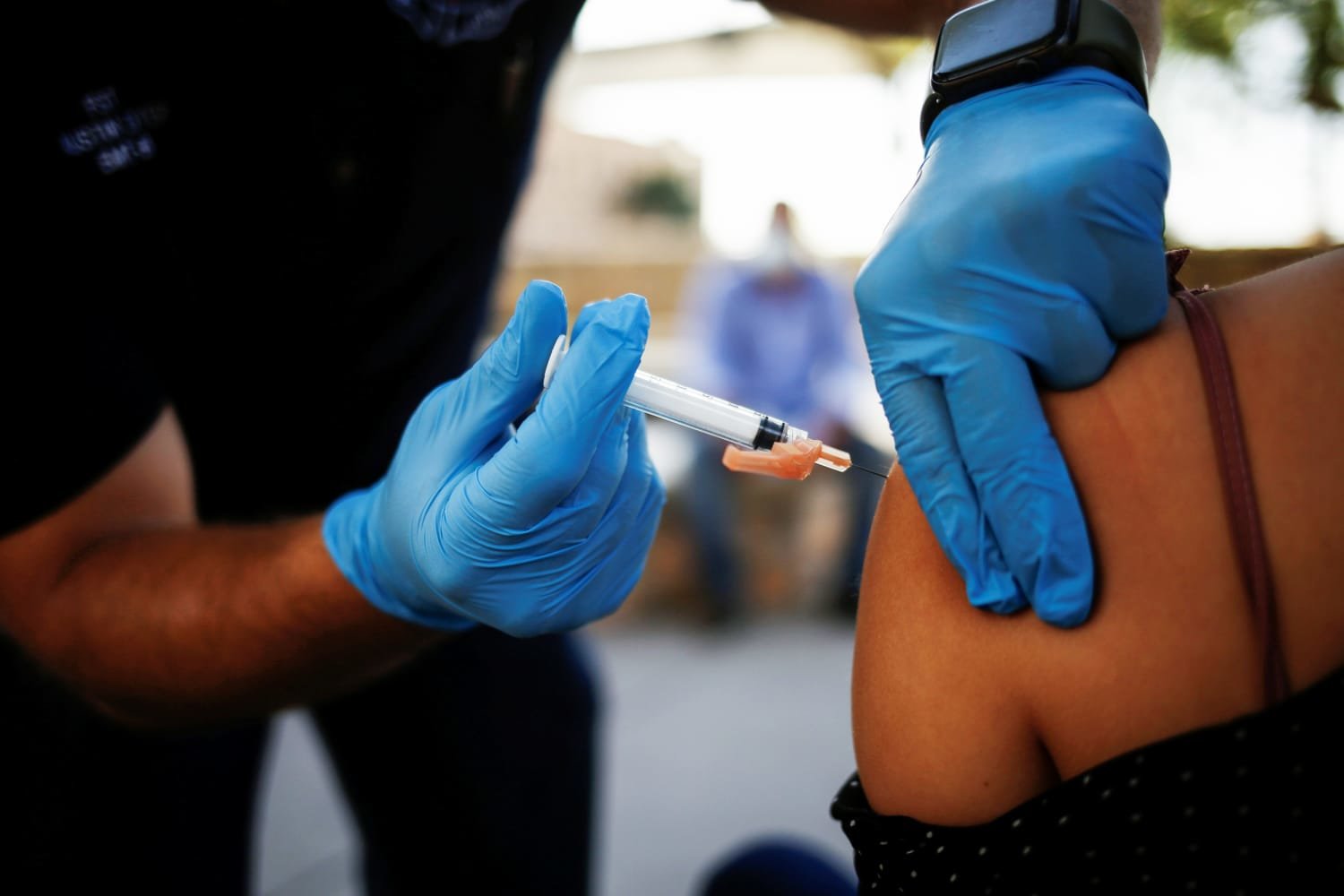
U.S. Childhood Vaccination Policy Faces Global Contrast as Other Nations Expand Shot Recommendations
Health experts note widening gap between American guidance and broader immunization strategies adopted by countries including Brazil, Mexico, Saudi Arabia and Greece
The United States is facing growing scrutiny from public health experts who warn that its vaccination recommendations are becoming increasingly limited compared with those of several other nations, including Brazil, Mexico, Saudi Arabia and Greece.
Recent updates to immunization schedules in multiple countries have expanded eligibility for booster doses and additional shots aimed at protecting vulnerable populations, particularly children, older adults and people with underlying health conditions.
By contrast, federal guidance in the United States has narrowed in scope in certain areas, prompting debate within medical and policy circles about the country’s long-term public health trajectory.
In Brazil and Mexico, health authorities have continued to promote broad access to updated vaccines for respiratory illnesses, citing ongoing seasonal risks and the importance of maintaining high immunity levels.
Greece has similarly emphasized precautionary booster campaigns for elderly citizens and high-risk groups.
Saudi Arabia has reinforced its vaccination strategy through national awareness campaigns and streamlined access to updated doses, positioning immunization as a central component of preventive healthcare.
Public health specialists observing these developments argue that diverging approaches may reflect differences in regulatory processes, political priorities and assessments of risk.
Some experts contend that the United States, once considered a global leader in vaccine policy and uptake, now appears more cautious in expanding recommendations.
Others note that U.S. regulators emphasize rigorous review standards and individualized risk assessment when updating guidance.
The debate comes amid broader discussions about vaccine confidence and public trust.
While childhood immunization rates in the United States remain substantial by global standards, data in recent years have shown pockets of decline in certain communities.
Health officials in other countries have responded to similar challenges by intensifying outreach and expanding eligibility criteria to counter falling uptake.
Medical associations in the United States continue to advocate for evidence-based policymaking and stress that vaccination remains one of the most effective tools for preventing severe disease.
However, comparisons with international policies have sharpened attention on whether American recommendations align with evolving global practice.
As respiratory viruses continue to circulate worldwide, the contrast between national strategies is likely to remain a focal point in ongoing discussions about preparedness, equity and public health leadership.
Recent updates to immunization schedules in multiple countries have expanded eligibility for booster doses and additional shots aimed at protecting vulnerable populations, particularly children, older adults and people with underlying health conditions.
By contrast, federal guidance in the United States has narrowed in scope in certain areas, prompting debate within medical and policy circles about the country’s long-term public health trajectory.
In Brazil and Mexico, health authorities have continued to promote broad access to updated vaccines for respiratory illnesses, citing ongoing seasonal risks and the importance of maintaining high immunity levels.
Greece has similarly emphasized precautionary booster campaigns for elderly citizens and high-risk groups.
Saudi Arabia has reinforced its vaccination strategy through national awareness campaigns and streamlined access to updated doses, positioning immunization as a central component of preventive healthcare.
Public health specialists observing these developments argue that diverging approaches may reflect differences in regulatory processes, political priorities and assessments of risk.
Some experts contend that the United States, once considered a global leader in vaccine policy and uptake, now appears more cautious in expanding recommendations.
Others note that U.S. regulators emphasize rigorous review standards and individualized risk assessment when updating guidance.
The debate comes amid broader discussions about vaccine confidence and public trust.
While childhood immunization rates in the United States remain substantial by global standards, data in recent years have shown pockets of decline in certain communities.
Health officials in other countries have responded to similar challenges by intensifying outreach and expanding eligibility criteria to counter falling uptake.
Medical associations in the United States continue to advocate for evidence-based policymaking and stress that vaccination remains one of the most effective tools for preventing severe disease.
However, comparisons with international policies have sharpened attention on whether American recommendations align with evolving global practice.
As respiratory viruses continue to circulate worldwide, the contrast between national strategies is likely to remain a focal point in ongoing discussions about preparedness, equity and public health leadership.