White HouseSenateThe HouseSupreme CourtFederal ReserveDOJState DepartmentTreasuryCensusBudget OfficeTrade Representative
WashingTone
Informed by Washington, Defined by Insight
Friday, Apr 24, 2026
WashingTone

US Announces Three-Week Extension of Israel-Lebanon Ceasefire After White House Talks
Donald Trump said Israel and Lebanon agreed to extend their fragile ceasefire as violence continues along the border and questions remain over enforcement and Hezbollah’s role
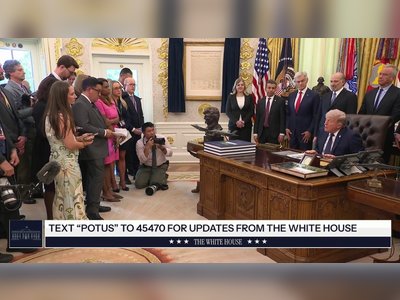
The U.S.-brokered ceasefire framework between Israel and Lebanon, linked to the broader conflict involving Hezbollah, has been extended for three additional weeks following diplomatic talks hosted at the White House, according to an announcement by U.S. President Donald Trump.
The extension was agreed after a second round of meetings in Washington involving Israeli and Lebanese ambassadors, with senior U.S. officials also present.
Trump said the talks produced a “very good” outcome and confirmed that both sides had accepted a continuation of the temporary pause in fighting, which was previously due to expire after an initial 10-day arrangement.
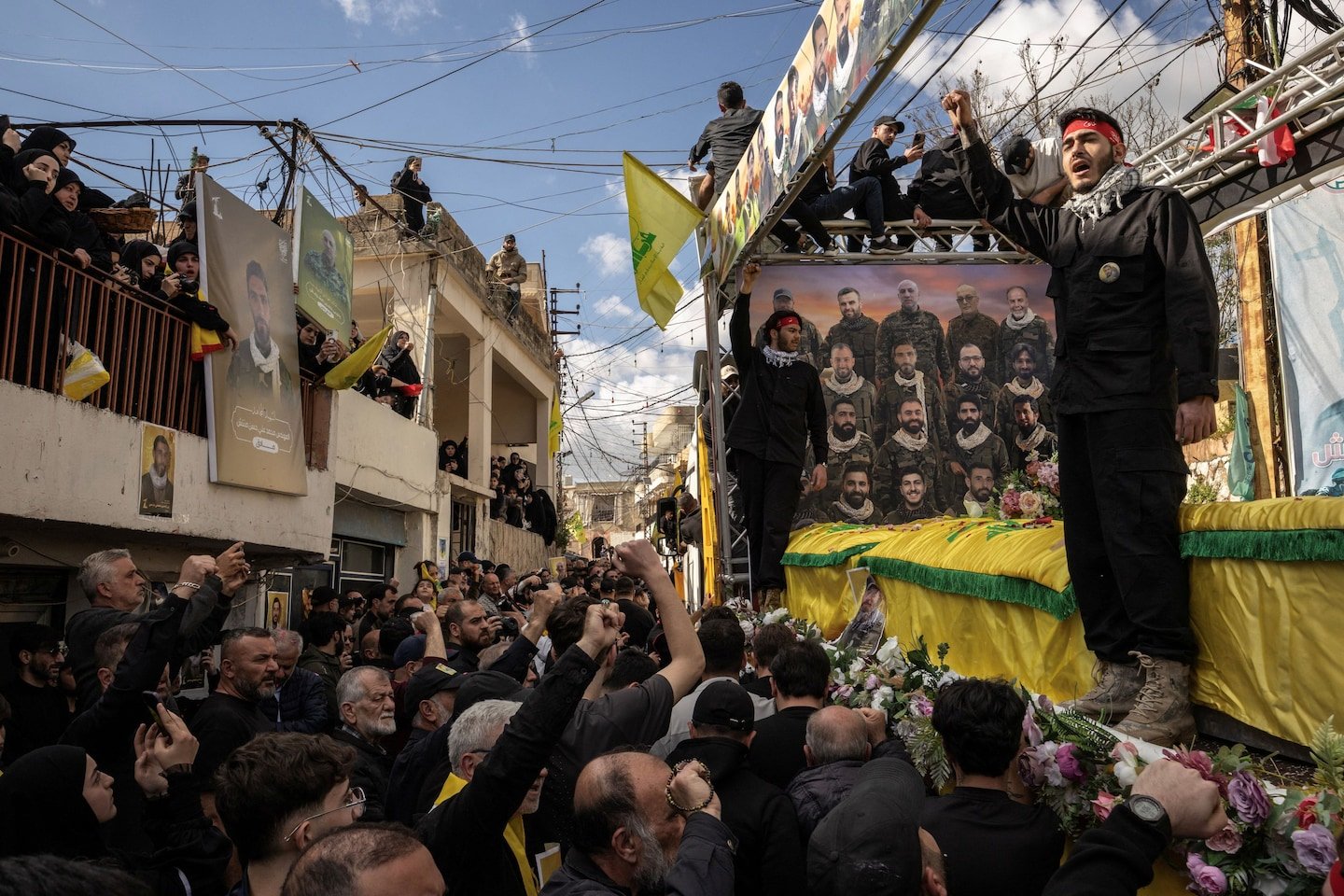
The ceasefire is part of an ongoing effort to reduce cross-border violence between Israel and Hezbollah, the armed group based in Lebanon that remains outside the formal negotiations but is central to the conflict dynamics.
Lebanese officials have participated in indirect diplomacy through their U.S. envoy, while Hezbollah has rejected direct involvement in the talks and continues to frame its position around resistance to Israeli military operations.
According to details released alongside the announcement, the United States has also indicated it will work with Lebanon to strengthen its ability to contain armed groups on its territory, particularly Hezbollah.
Israeli and Lebanese representatives publicly expressed appreciation for U.S. mediation efforts during the White House meeting, though neither government has independently released detailed statements confirming all aspects of the extension terms.
Despite the renewed ceasefire timeline, the situation on the ground remains unstable.
Recent reporting indicates that military activity and retaliatory strikes have continued in southern Lebanon, including incidents resulting in civilian and journalistic casualties.
Both Israel and Hezbollah have accused each other of violations during the truce period, and enforcement mechanisms remain limited.
What remains unclear is whether the extension represents a durable step toward a broader political settlement or a temporary pause in a continuing cycle of escalation.
U.S. officials have suggested further high-level meetings could follow, but no comprehensive peace framework has yet been agreed.
The extension was agreed after a second round of meetings in Washington involving Israeli and Lebanese ambassadors, with senior U.S. officials also present.
Trump said the talks produced a “very good” outcome and confirmed that both sides had accepted a continuation of the temporary pause in fighting, which was previously due to expire after an initial 10-day arrangement.
The ceasefire is part of an ongoing effort to reduce cross-border violence between Israel and Hezbollah, the armed group based in Lebanon that remains outside the formal negotiations but is central to the conflict dynamics.
Lebanese officials have participated in indirect diplomacy through their U.S. envoy, while Hezbollah has rejected direct involvement in the talks and continues to frame its position around resistance to Israeli military operations.
According to details released alongside the announcement, the United States has also indicated it will work with Lebanon to strengthen its ability to contain armed groups on its territory, particularly Hezbollah.
Israeli and Lebanese representatives publicly expressed appreciation for U.S. mediation efforts during the White House meeting, though neither government has independently released detailed statements confirming all aspects of the extension terms.
Despite the renewed ceasefire timeline, the situation on the ground remains unstable.
Recent reporting indicates that military activity and retaliatory strikes have continued in southern Lebanon, including incidents resulting in civilian and journalistic casualties.
Both Israel and Hezbollah have accused each other of violations during the truce period, and enforcement mechanisms remain limited.
What remains unclear is whether the extension represents a durable step toward a broader political settlement or a temporary pause in a continuing cycle of escalation.
U.S. officials have suggested further high-level meetings could follow, but no comprehensive peace framework has yet been agreed.