White HouseSenateThe HouseSupreme CourtFederal ReserveDOJState DepartmentTreasuryCensusBudget OfficeTrade Representative
WashingTone
Informed by Washington, Defined by Insight
Friday, Apr 24, 2026
WashingTone

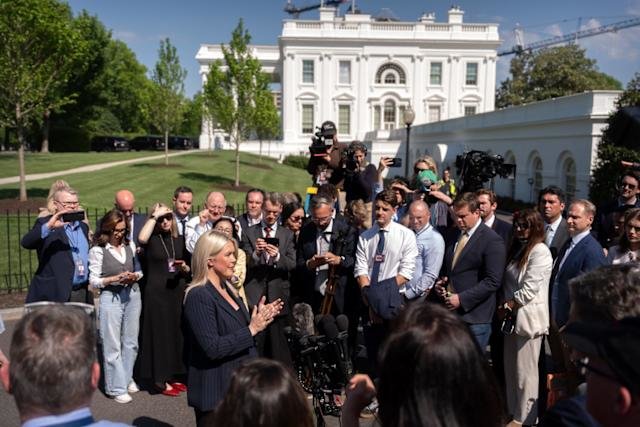
Trump’s Planned Attendance at Correspondents’ Dinner Draws Scrutiny Over Press Relations
The president’s expected appearance at the White House Correspondents’ Dinner has intensified debate over media independence and his administration’s tense relationship with the press
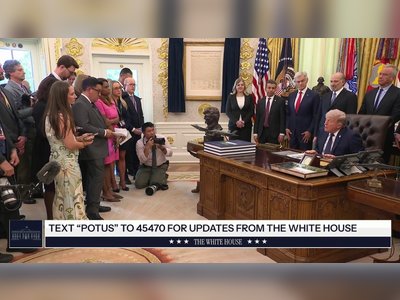
The White House Correspondents’ Association Dinner, a long-running Washington event celebrating the press corps and the presidency, is facing renewed scrutiny as President Donald Trump prepares to attend this year’s gathering for the first time as president.
Trump’s expected appearance at the dinner, scheduled for later this week, marks a departure from his earlier boycott of the annual event during his previous term and the early part of his current presidency.
His attendance has sharpened attention on the symbolic tension between a president frequently critical of mainstream media outlets and a ceremony traditionally built around collegial interaction between journalists and political leaders.
The White House Correspondents’ Dinner typically brings together senior journalists, administration officials, and public figures to highlight press freedom and honor reporting achievements.
In past administrations, it has also featured comedic remarks directed at sitting presidents, though the tone and prominence of those exchanges vary depending on the political climate.
Trump’s anticipated participation comes amid an already strained relationship with major news organizations, with ongoing disputes over coverage, access, and legal challenges involving several outlets.
The administration has also taken a more confrontational stance toward parts of the press corps, arguing that some coverage is adversarial or misleading.
At the same time, supporters of the event argue that the dinner remains an important venue for reinforcing the First Amendment and maintaining informal channels of communication between the government and the press, even during periods of political tension.
Critics, however, say the optics of celebrating press freedom in the presence of a president who has repeatedly attacked media institutions raises questions about whether the event undermines its own message.
Others within the media industry have expressed concern that participation risks blurring the boundary between reporting on power and socializing with it.
What remains unclear is how Trump’s presence will shape the tone of the event itself, including whether traditional comedic roasts or more formal programming will be emphasized, and how journalists and officials will navigate the heightened political sensitivities surrounding this year’s dinner.
Trump’s expected appearance at the dinner, scheduled for later this week, marks a departure from his earlier boycott of the annual event during his previous term and the early part of his current presidency.
His attendance has sharpened attention on the symbolic tension between a president frequently critical of mainstream media outlets and a ceremony traditionally built around collegial interaction between journalists and political leaders.
The White House Correspondents’ Dinner typically brings together senior journalists, administration officials, and public figures to highlight press freedom and honor reporting achievements.
In past administrations, it has also featured comedic remarks directed at sitting presidents, though the tone and prominence of those exchanges vary depending on the political climate.
Trump’s anticipated participation comes amid an already strained relationship with major news organizations, with ongoing disputes over coverage, access, and legal challenges involving several outlets.
The administration has also taken a more confrontational stance toward parts of the press corps, arguing that some coverage is adversarial or misleading.
At the same time, supporters of the event argue that the dinner remains an important venue for reinforcing the First Amendment and maintaining informal channels of communication between the government and the press, even during periods of political tension.
Critics, however, say the optics of celebrating press freedom in the presence of a president who has repeatedly attacked media institutions raises questions about whether the event undermines its own message.
Others within the media industry have expressed concern that participation risks blurring the boundary between reporting on power and socializing with it.
What remains unclear is how Trump’s presence will shape the tone of the event itself, including whether traditional comedic roasts or more formal programming will be emphasized, and how journalists and officials will navigate the heightened political sensitivities surrounding this year’s dinner.