White HouseSenateThe HouseSupreme CourtFederal ReserveDOJState DepartmentTreasuryCensusBudget OfficeTrade Representative
WashingTone
Informed by Washington, Defined by Insight
Friday, Apr 24, 2026
WashingTone

Senate Republicans Advance Plan to Fund ICE Through Rest of Trump’s Term
Budget resolution clears initial hurdle as GOP moves to secure long-term immigration enforcement funding without Democratic support
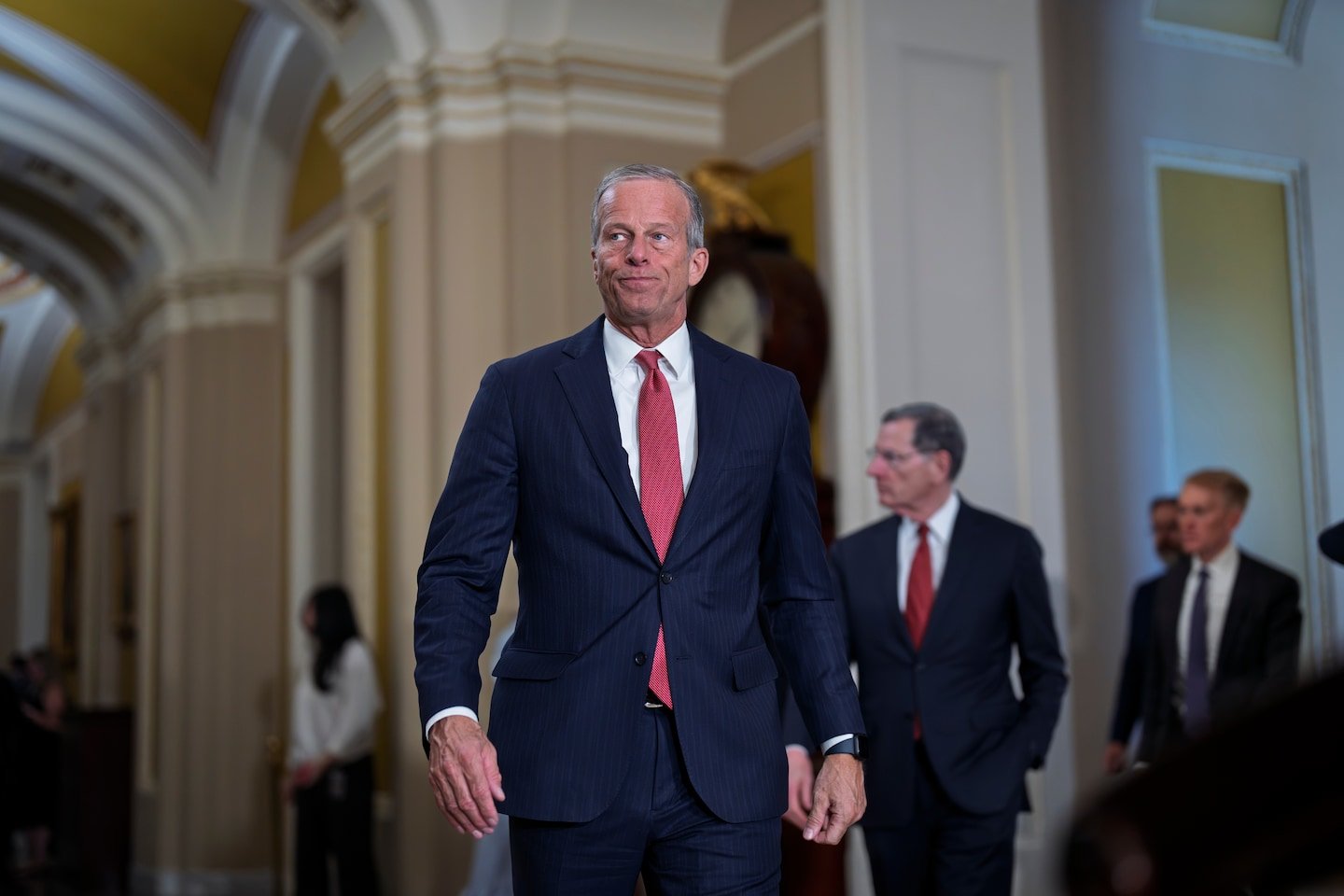
The U.S. Senate has advanced a Republican-backed budget framework that would finance Immigration and Customs Enforcement (ICE) and Border Patrol for the remainder of President Donald Trump’s term, marking an early but significant step in a broader effort to reshape federal immigration enforcement funding.
The measure, approved by a narrow 50–48 vote, reflects a partisan strategy to use the budget reconciliation process, which allows legislation to pass with a simple majority and bypass the Senate filibuster.
What is confirmed is that the resolution sets up a multi-step legislative process in which congressional committees will now draft detailed funding bills for the two agencies.
The proposal envisions allocating tens of billions of dollars over approximately three years, though final figures are still subject to revision as committees refine the legislation.
The plan is part of a wider Republican effort to ensure sustained funding for immigration enforcement agencies during ongoing political disputes over broader Department of Homeland Security operations.
The vote took place against the backdrop of a prolonged partial shutdown affecting parts of the Department of Homeland Security, which has been tied to disagreements between Republicans and Democrats over immigration policy and enforcement authority.
Democrats opposed the resolution, arguing it lacked sufficient oversight and accountability measures, while Republicans framed it as necessary to maintain border security operations.
What remains unclear is the final structure of the funding package, including how much money will ultimately be allocated and what conditions, if any, will be attached.
The House of Representatives must still approve the framework before it can advance, and any final legislation would also require presidential approval.
The plan also reflects a broader political strategy endorsed by President Trump, who has supported using reconciliation to secure immigration enforcement funding without relying on bipartisan agreement.
However, procedural and political hurdles remain, including possible amendments, House negotiations, and parliamentary review.
If enacted, the legislation would lock in long-term funding for ICE and Border Patrol through the end of Trump’s current term, reshaping the fiscal baseline for federal immigration enforcement and limiting future congressional discretion over those agencies’ budgets.
The measure, approved by a narrow 50–48 vote, reflects a partisan strategy to use the budget reconciliation process, which allows legislation to pass with a simple majority and bypass the Senate filibuster.
What is confirmed is that the resolution sets up a multi-step legislative process in which congressional committees will now draft detailed funding bills for the two agencies.
The proposal envisions allocating tens of billions of dollars over approximately three years, though final figures are still subject to revision as committees refine the legislation.
The plan is part of a wider Republican effort to ensure sustained funding for immigration enforcement agencies during ongoing political disputes over broader Department of Homeland Security operations.
The vote took place against the backdrop of a prolonged partial shutdown affecting parts of the Department of Homeland Security, which has been tied to disagreements between Republicans and Democrats over immigration policy and enforcement authority.
Democrats opposed the resolution, arguing it lacked sufficient oversight and accountability measures, while Republicans framed it as necessary to maintain border security operations.
What remains unclear is the final structure of the funding package, including how much money will ultimately be allocated and what conditions, if any, will be attached.
The House of Representatives must still approve the framework before it can advance, and any final legislation would also require presidential approval.
The plan also reflects a broader political strategy endorsed by President Trump, who has supported using reconciliation to secure immigration enforcement funding without relying on bipartisan agreement.
However, procedural and political hurdles remain, including possible amendments, House negotiations, and parliamentary review.
If enacted, the legislation would lock in long-term funding for ICE and Border Patrol through the end of Trump’s current term, reshaping the fiscal baseline for federal immigration enforcement and limiting future congressional discretion over those agencies’ budgets.