White HouseSenateThe HouseSupreme CourtFederal ReserveDOJState DepartmentTreasuryCensusBudget OfficeTrade Representative
WashingTone
Informed by Washington, Defined by Insight
Thursday, Apr 02, 2026
WashingTone

0:00
0:00
Why Military Action Can Seem Swift While Democratic Decisions Take Time
Growing debate highlights contrast between rapid wartime responses and slower electoral processes in modern politics
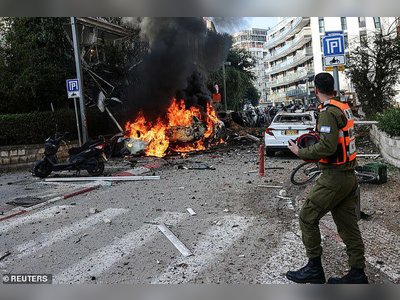
The contrast between the speed of military action and the complexity of democratic decision-making is drawing renewed attention, as current geopolitical tensions highlight how governments can move quickly in conflict while electoral processes remain deliberate and time-intensive.
Military operations are often designed for rapid execution, relying on centralized command structures that allow leaders to respond swiftly to emerging threats.
This capability is seen as essential in maintaining security and deterrence, particularly in high-stakes environments where timing can be critical.
By contrast, voting and democratic participation involve multiple layers of procedure, oversight, and public engagement.
These systems are intentionally structured to ensure fairness, legitimacy, and accountability, even if that means decisions take longer to reach.
The divergence between these two modes of action has become more visible in periods of crisis, where the urgency of security concerns can stand in sharp contrast to the measured pace of political processes.
Analysts note that while military decisiveness can provide immediate responses, democratic mechanisms are designed to reflect broader consensus and long-term stability.
This dynamic raises important questions about governance, particularly how states balance the need for swift action with the principles of representation and public participation.
The tension is not new, but it is increasingly relevant in a world where crises can unfold rapidly and demand immediate attention.
Supporters of strong executive action argue that the ability to act quickly is a key strength in maintaining national security and protecting interests.
At the same time, the enduring value of democratic systems lies in their capacity to ensure that decisions are grounded in legitimacy and collective input.
As global challenges continue to evolve, the interplay between rapid response and deliberate decision-making is likely to remain a central feature of political debate, shaping how societies navigate both conflict and governance.
Military operations are often designed for rapid execution, relying on centralized command structures that allow leaders to respond swiftly to emerging threats.
This capability is seen as essential in maintaining security and deterrence, particularly in high-stakes environments where timing can be critical.
By contrast, voting and democratic participation involve multiple layers of procedure, oversight, and public engagement.
These systems are intentionally structured to ensure fairness, legitimacy, and accountability, even if that means decisions take longer to reach.
The divergence between these two modes of action has become more visible in periods of crisis, where the urgency of security concerns can stand in sharp contrast to the measured pace of political processes.
Analysts note that while military decisiveness can provide immediate responses, democratic mechanisms are designed to reflect broader consensus and long-term stability.
This dynamic raises important questions about governance, particularly how states balance the need for swift action with the principles of representation and public participation.
The tension is not new, but it is increasingly relevant in a world where crises can unfold rapidly and demand immediate attention.
Supporters of strong executive action argue that the ability to act quickly is a key strength in maintaining national security and protecting interests.
At the same time, the enduring value of democratic systems lies in their capacity to ensure that decisions are grounded in legitimacy and collective input.
As global challenges continue to evolve, the interplay between rapid response and deliberate decision-making is likely to remain a central feature of political debate, shaping how societies navigate both conflict and governance.