White HouseSenateThe HouseSupreme CourtFederal ReserveDOJState DepartmentTreasuryCensusBudget OfficeTrade Representative
WashingTone
Informed by Washington, Defined by Insight
Thursday, Feb 05, 2026
WashingTone

New START Treaty Expires, Ending Decades of US–Russia Nuclear Arms Limits
The lapse of the last strategic arms control pact removes binding caps on Washington’s and Moscow’s arsenals and ushers in a new era of nuclear diplomacy challenges
The New Strategic Arms Reduction Treaty, the last legally binding nuclear arms control agreement between the United States and Russia, formally expired on February 5, 2026, eliminating decades-old limits on the two largest nuclear arsenals in the world.
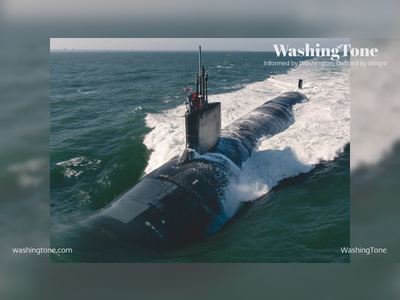
The accord, signed in 2010 by President Barack Obama and Russian President Dmitry Medvedev and extended once in 2021, had capped each side’s deployed strategic nuclear warheads at 1,550 and imposed constraints on missiles, bombers and launchers, as well as mutual verification measures that included data exchanges and on-site inspections.
New START marked the culmination of half a century of bilateral arms control efforts that began with treaties such as Strategic Arms Limitation Talks (SALT) and earlier START accords.
Its expiration represents the first moment since the early 1970s that there is no formal framework limiting U.S. and Russian strategic nuclear forces, a development that arms control experts describe as historically significant and potentially destabilizing.
Verification mechanisms had effectively ceased years earlier, with inspections suspended during the COVID-19 pandemic and Russia halting participation in 2023, but the legal expiry now removes the last canonical obligations to maintain force limits.
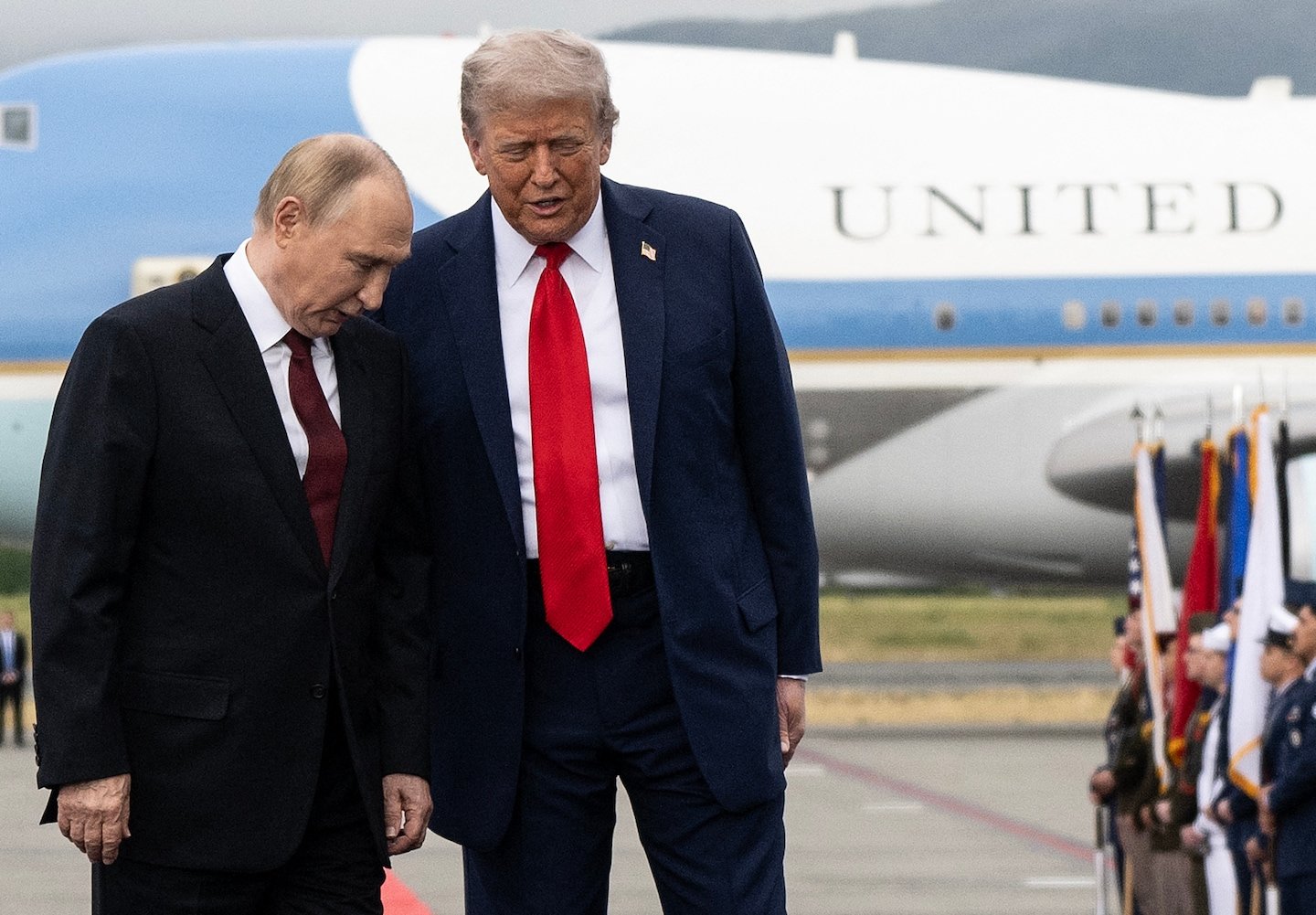
Russian President Vladimir Putin offered in late 2025 to adhere to the treaty’s numerical limits for one additional year if the United States reciprocated, but formal negotiations toward extension did not materialise.
The Kremlin has stated that Moscow remains ready to engage in political and diplomatic efforts to stabilise strategic relations, emphasising that continued restraint requires mutual understanding and clear security guarantees.
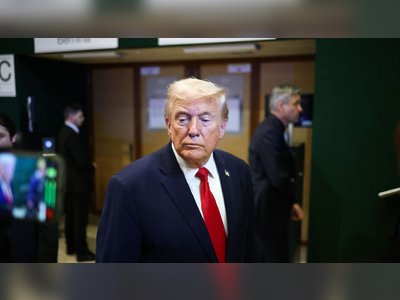
Meanwhile, President Donald Trump has characterised the expired pact as outdated and expressed his intention to pursue a new and modernised arms control agreement, ideally broader in scope and inclusive of other nuclear powers such as China, despite Beijing’s refusal to participate until it reaches parity with the U.S. and Russia.
The expiration has prompted concern among international observers and security advocates, who warn that without binding limits and robust verification, the risk of an unrestrained nuclear arms competition could grow.
The lapse arrives amid rising geopolitical tensions and advancements in nuclear-capable delivery systems, raising questions about future strategic stability.
United Nations and arms control figures have urged both capitals to return quickly to negotiation to establish a successor framework that can offer predictability and restraint in an increasingly uncertain global security environment.
The accord, signed in 2010 by President Barack Obama and Russian President Dmitry Medvedev and extended once in 2021, had capped each side’s deployed strategic nuclear warheads at 1,550 and imposed constraints on missiles, bombers and launchers, as well as mutual verification measures that included data exchanges and on-site inspections.
New START marked the culmination of half a century of bilateral arms control efforts that began with treaties such as Strategic Arms Limitation Talks (SALT) and earlier START accords.
Its expiration represents the first moment since the early 1970s that there is no formal framework limiting U.S. and Russian strategic nuclear forces, a development that arms control experts describe as historically significant and potentially destabilizing.
Verification mechanisms had effectively ceased years earlier, with inspections suspended during the COVID-19 pandemic and Russia halting participation in 2023, but the legal expiry now removes the last canonical obligations to maintain force limits.
Russian President Vladimir Putin offered in late 2025 to adhere to the treaty’s numerical limits for one additional year if the United States reciprocated, but formal negotiations toward extension did not materialise.
The Kremlin has stated that Moscow remains ready to engage in political and diplomatic efforts to stabilise strategic relations, emphasising that continued restraint requires mutual understanding and clear security guarantees.
Meanwhile, President Donald Trump has characterised the expired pact as outdated and expressed his intention to pursue a new and modernised arms control agreement, ideally broader in scope and inclusive of other nuclear powers such as China, despite Beijing’s refusal to participate until it reaches parity with the U.S. and Russia.
The expiration has prompted concern among international observers and security advocates, who warn that without binding limits and robust verification, the risk of an unrestrained nuclear arms competition could grow.
The lapse arrives amid rising geopolitical tensions and advancements in nuclear-capable delivery systems, raising questions about future strategic stability.
United Nations and arms control figures have urged both capitals to return quickly to negotiation to establish a successor framework that can offer predictability and restraint in an increasingly uncertain global security environment.