White HouseSenateThe HouseSupreme CourtFederal ReserveDOJState DepartmentTreasuryCensusBudget OfficeTrade Representative
WashingTone
Informed by Washington, Defined by Insight
Thursday, Feb 05, 2026
WashingTone

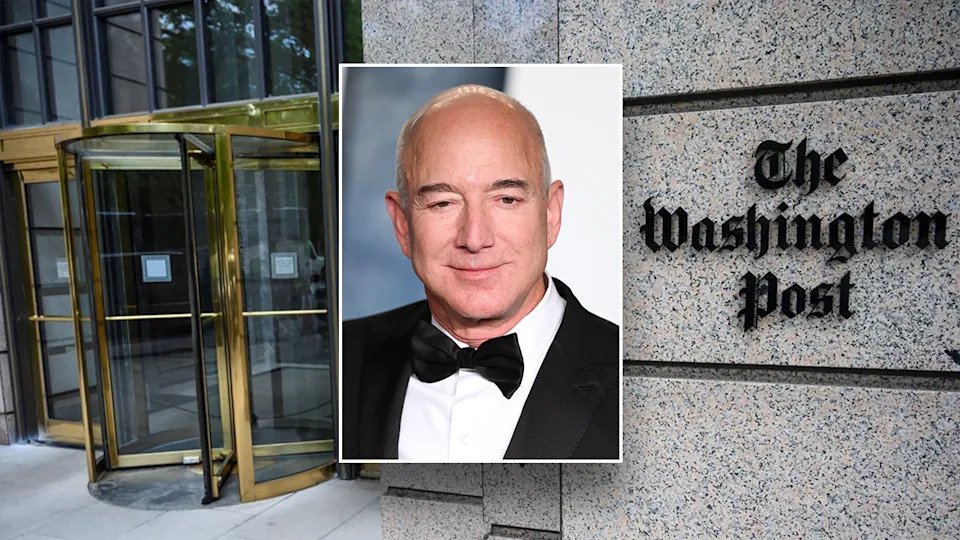
Former Washington Post Editor Accuses Jeff Bezos of Shifting Priorities Amid Mass Layoffs
Veteran newsroom leader says owner’s actions reflect strategic caution toward Trump’s return rather than safeguarding journalism
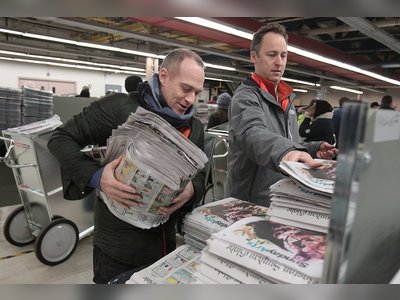
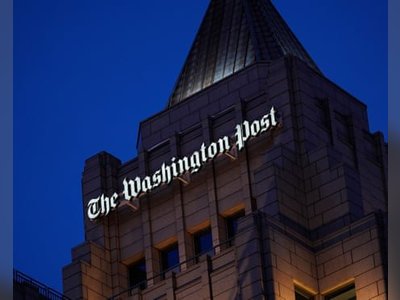
A former executive editor of The Washington Post has sharply criticised the newspaper’s owner, Jeff Bezos, alleging that decisions leading to sweeping layoffs reflect a strategic retreat aimed at avoiding conflict with President Donald Trump rather than a focused effort to preserve the newsroom’s core mission.
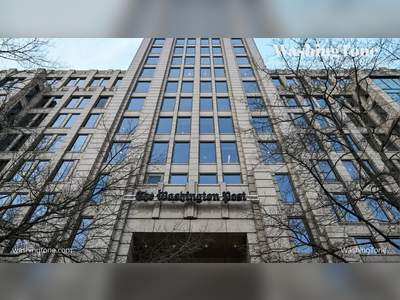
The comments come as The Post announced cuts affecting roughly one-third of its staff, including entire departments such as sports, books and several foreign bureaus.
Martin Baron, who led the newsroom during much of Jeff Bezos’s earlier ownership, described the layoffs as a profound blow to one of America’s most influential news organisations.
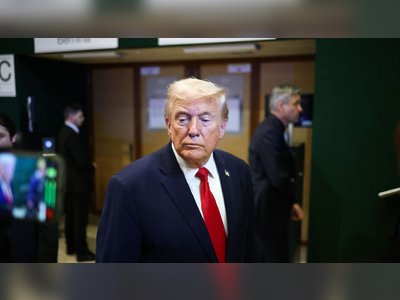
Baron said recent changes — including the abrupt cancellation of a planned endorsement in the 2024 presidential election and a reorientation of the opinion section — appeared designed to placate political pressures after Trump’s return to the White House.
He characterised those decisions as undermining the newspaper’s brand and diluting its editorial independence, arguing that they contributed to declines in subscribers and morale.
Baron’s remarks were echoed by other former staffers.
Glenn Kessler, a long-time fact-checker who left the paper last year, wrote that Bezos’s shifting priorities appear driven by a desire to avoid antagonising the Trump administration and protect his broader business interests, including Amazon and his space venture.
Kessler noted that while Bezos initially vowed to defend The Post’s independence after acquiring it in 2013, recent actions suggest a recalibration of that pledge in light of political dynamics and business calculations.
The layoffs, announced by executive editor Matt Murray as part of a strategic restructuring, have drawn public criticism from journalists, former colleagues and political figures alike.
Critics argue the budget reductions will weaken crucial areas of reporting at a time of intense political and global developments.
Supporters of the restructuring point to broader challenges facing legacy newsrooms — including changes in media consumption, advertising shifts and the need to prioritise distinct digital strengths — but acknowledge the scale of cuts is unprecedented.
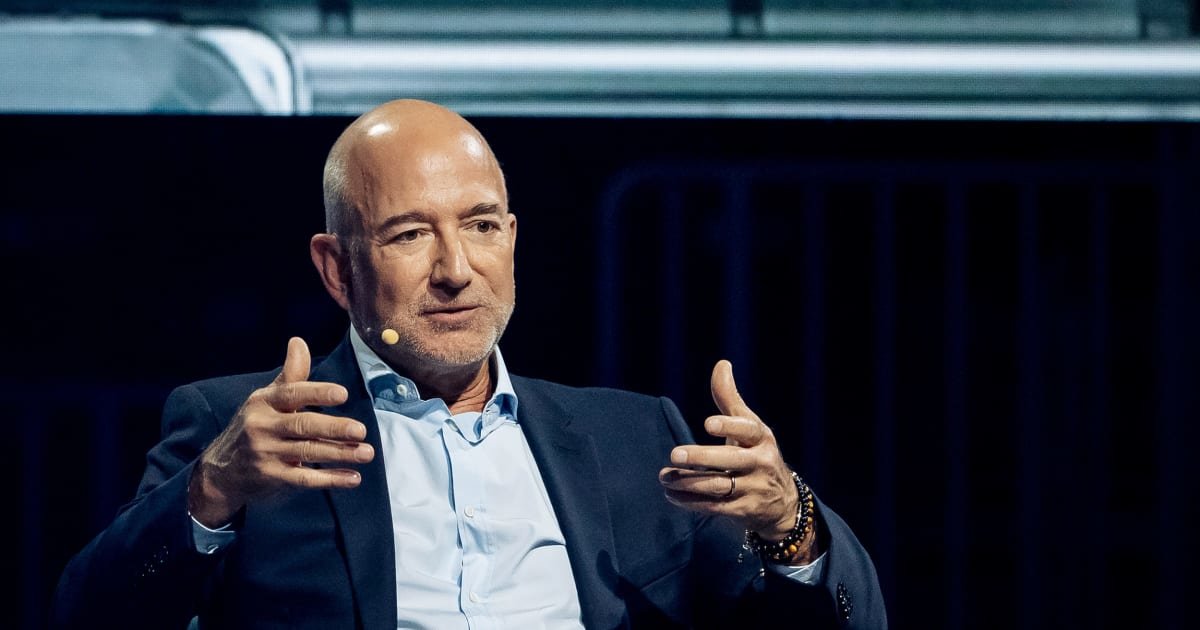
Bezos himself has remained largely silent on the specifics of the layoffs, with his most recent public comments about the newspaper’s financial health dating back to 2024, when he said The Post needed to be “put back on a good footing.” The tension between editorial stewardship and ownership decisions highlights ongoing debates about the sustainability of national newspapers and the role of billionaire proprietors in shaping their future direction.
The comments come as The Post announced cuts affecting roughly one-third of its staff, including entire departments such as sports, books and several foreign bureaus.
Martin Baron, who led the newsroom during much of Jeff Bezos’s earlier ownership, described the layoffs as a profound blow to one of America’s most influential news organisations.
Baron said recent changes — including the abrupt cancellation of a planned endorsement in the 2024 presidential election and a reorientation of the opinion section — appeared designed to placate political pressures after Trump’s return to the White House.
He characterised those decisions as undermining the newspaper’s brand and diluting its editorial independence, arguing that they contributed to declines in subscribers and morale.
Baron’s remarks were echoed by other former staffers.
Glenn Kessler, a long-time fact-checker who left the paper last year, wrote that Bezos’s shifting priorities appear driven by a desire to avoid antagonising the Trump administration and protect his broader business interests, including Amazon and his space venture.
Kessler noted that while Bezos initially vowed to defend The Post’s independence after acquiring it in 2013, recent actions suggest a recalibration of that pledge in light of political dynamics and business calculations.
The layoffs, announced by executive editor Matt Murray as part of a strategic restructuring, have drawn public criticism from journalists, former colleagues and political figures alike.
Critics argue the budget reductions will weaken crucial areas of reporting at a time of intense political and global developments.
Supporters of the restructuring point to broader challenges facing legacy newsrooms — including changes in media consumption, advertising shifts and the need to prioritise distinct digital strengths — but acknowledge the scale of cuts is unprecedented.
Bezos himself has remained largely silent on the specifics of the layoffs, with his most recent public comments about the newspaper’s financial health dating back to 2024, when he said The Post needed to be “put back on a good footing.” The tension between editorial stewardship and ownership decisions highlights ongoing debates about the sustainability of national newspapers and the role of billionaire proprietors in shaping their future direction.