White HouseSenateThe HouseSupreme CourtFederal ReserveDOJState DepartmentTreasuryCensusBudget OfficeTrade Representative
WashingTone
Informed by Washington, Defined by Insight
Saturday, May 02, 2026
WashingTone

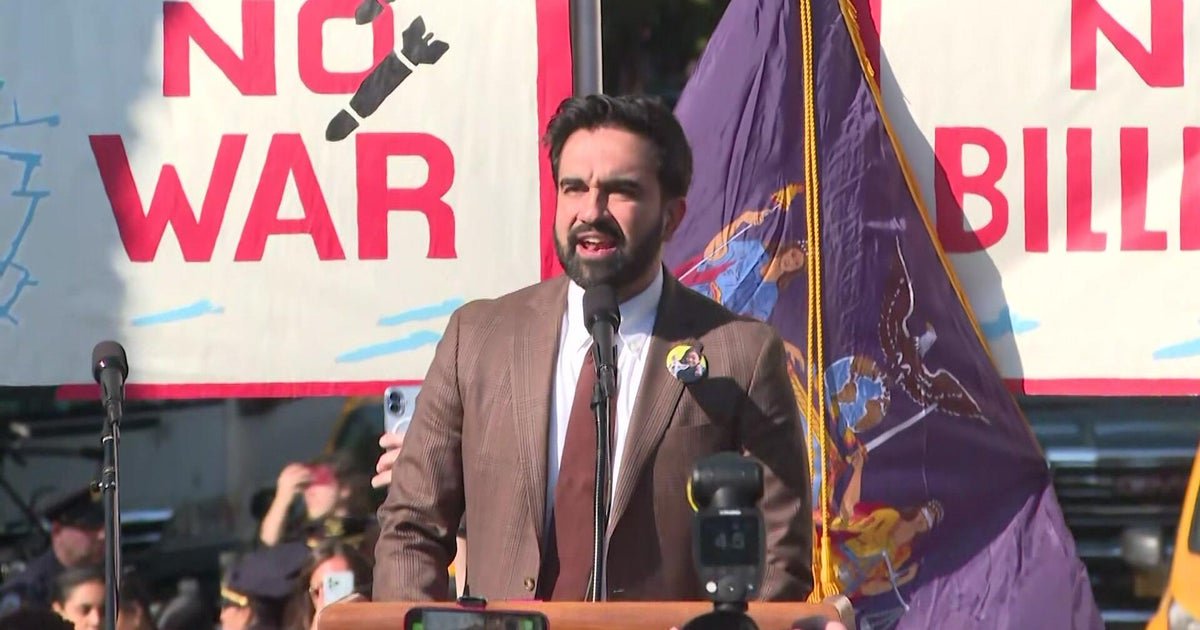
May Day Crowds Fill Washington Square Park in New York Workers’ Rights Rally
Demonstrators gathered on International Workers’ Day to push for higher wages, stronger labor protections, and immigration reform amid renewed national labor tensions
A large-scale labor demonstration on International Workers’ Day filled Washington Square Park in New York City, as unions, activist groups, and community organizations rallied around workers’ rights, wage growth, and labor protections in one of the city’s most visible annual displays of organized protest.
May Day, observed globally on May 1, has long been associated with labor movements and demands for improved working conditions.
In New York, the rally reflected a broad coalition of participants including union members, service-sector workers, and immigrant advocacy groups.
The gathering unfolded in Washington Square Park, a historic hub for political expression in Manhattan.
What is confirmed is that participants used the event to highlight several overlapping concerns in the labor market, including stagnant wages in low-income sectors, workplace safety, and the growing influence of contract and gig-based employment models.
Speakers and demonstrators also focused on immigration policy, arguing that labor protections and immigration enforcement are closely linked in industries heavily dependent on migrant labor.
The protest comes amid broader national debates over labor conditions in the United States, where union membership has been declining for decades even as recent years have seen a modest resurgence in organizing activity, particularly in retail, logistics, and hospitality sectors.
Organizers framed the rally as part of a wider push to translate that momentum into sustained policy change rather than symbolic action.
The mechanism behind May Day demonstrations in the United States differs from many countries where the date is an official public holiday.
In the US, it is not federally recognized as a holiday, which has historically positioned it as a grassroots mobilization day rather than a state-sponsored observance.
This has made it a focal point for labor activists seeking visibility outside traditional political channels.
The New York rally also reflected tensions within the modern labor movement over strategy and priorities.
Some groups emphasized collective bargaining rights and union expansion, while others focused on broader social justice issues, including housing costs and healthcare access.
The convergence of these issues reflects how labor politics has increasingly merged with wider economic inequality debates.
The scale of participation at Washington Square Park underscores the continued symbolic importance of urban public spaces in organizing collective action.
While exact attendance figures were not formally standardized across organizers, the crowd density and duration of activity indicated a significant turnout consistent with prior years’ major May Day events in the city.
The broader implication is that labor activism in the United States is increasingly decentralized, relying on coalition-building across unions, advocacy organizations, and informal worker networks.
The New York demonstration illustrates how these alliances are being used to maintain visibility and pressure in an environment where traditional labor institutions face structural constraints.
The event concluded with participants dispersing after speeches and coordinated demonstrations, leaving behind a reaffirmation of May Day’s role as a recurring focal point for organized labor activism in New York City.
May Day, observed globally on May 1, has long been associated with labor movements and demands for improved working conditions.
In New York, the rally reflected a broad coalition of participants including union members, service-sector workers, and immigrant advocacy groups.
The gathering unfolded in Washington Square Park, a historic hub for political expression in Manhattan.
What is confirmed is that participants used the event to highlight several overlapping concerns in the labor market, including stagnant wages in low-income sectors, workplace safety, and the growing influence of contract and gig-based employment models.
Speakers and demonstrators also focused on immigration policy, arguing that labor protections and immigration enforcement are closely linked in industries heavily dependent on migrant labor.
The protest comes amid broader national debates over labor conditions in the United States, where union membership has been declining for decades even as recent years have seen a modest resurgence in organizing activity, particularly in retail, logistics, and hospitality sectors.
Organizers framed the rally as part of a wider push to translate that momentum into sustained policy change rather than symbolic action.
The mechanism behind May Day demonstrations in the United States differs from many countries where the date is an official public holiday.
In the US, it is not federally recognized as a holiday, which has historically positioned it as a grassroots mobilization day rather than a state-sponsored observance.
This has made it a focal point for labor activists seeking visibility outside traditional political channels.
The New York rally also reflected tensions within the modern labor movement over strategy and priorities.
Some groups emphasized collective bargaining rights and union expansion, while others focused on broader social justice issues, including housing costs and healthcare access.
The convergence of these issues reflects how labor politics has increasingly merged with wider economic inequality debates.
The scale of participation at Washington Square Park underscores the continued symbolic importance of urban public spaces in organizing collective action.
While exact attendance figures were not formally standardized across organizers, the crowd density and duration of activity indicated a significant turnout consistent with prior years’ major May Day events in the city.
The broader implication is that labor activism in the United States is increasingly decentralized, relying on coalition-building across unions, advocacy organizations, and informal worker networks.
The New York demonstration illustrates how these alliances are being used to maintain visibility and pressure in an environment where traditional labor institutions face structural constraints.
The event concluded with participants dispersing after speeches and coordinated demonstrations, leaving behind a reaffirmation of May Day’s role as a recurring focal point for organized labor activism in New York City.