White HouseSenateThe HouseSupreme CourtFederal ReserveDOJState DepartmentTreasuryCensusBudget OfficeTrade Representative
WashingTone
Informed by Washington, Defined by Insight
Wednesday, Feb 11, 2026
WashingTone

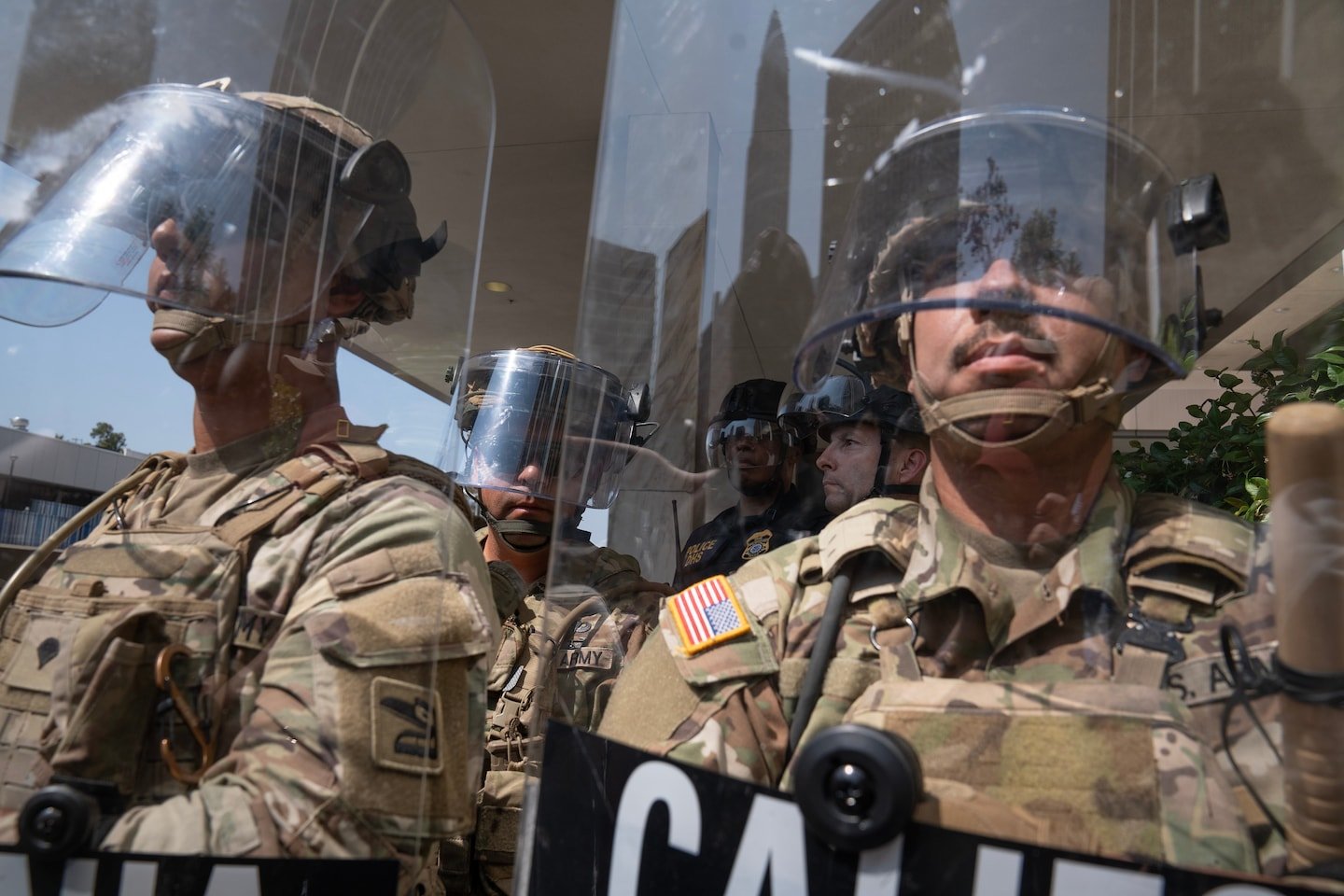
Federalized National Guard Troops Withdrawn From Major U.S. Cities Amid Legal and Operational Challenges
After months of deployment under the Trump administration, Guard units leave Chicago, Los Angeles and Portland following judicial setbacks and strategic shifts
Federalized National Guard troops have been quietly withdrawn from several major U.S. cities, marking a notable change in domestic security operations after months of deployment under the Trump administration.
The pullback was completed late last month without an official announcement from the White House or Department of Defense, although a social media post from President Donald Trump foreshadowed the move.
The withdrawal affects cities including Los Angeles, Chicago and Portland, where Guard units had been mobilised in 2025 as part of broader efforts to support law enforcement and federal enforcement objectives.
In some cases, significant numbers of guardsmen were federalised but never deployed operationally on the streets due to legal challenges that questioned the administration’s authority to use federal troops in domestic settings.
The U.S. Supreme Court and lower courts blocked or limited deployments in Chicago and Portland, citing constitutional constraints on federal military power in cities.
Earlier deployments had placed more than five thousand troops in Los Angeles, roughly five hundred in Chicago and approximately two hundred in Portland under federal Title 10 orders, which grant the president authority to utilise Guard personnel in federal missions.
Courts repeatedly ruled that such authority was appropriate only in exceptional circumstances, curtailing the ability of Guard units to engage in law enforcement or civic operations.
In contrast, National Guard forces operating under state control persist in other jurisdictions.
Hundreds of guardsmen remain in Washington, D.C., Memphis and New Orleans under Title 32 status, which enables broader roles including logistical support and community assistance while maintaining oversight by state governors.
Those deployments are expected to continue throughout the year as part of agreements tailored to local needs.
President Trump has framed the withdrawal as a temporary adjustment rather than a full retreat, warning that troops could return “in a much different and stronger form” should crime rates rise.
The administration has also shifted focus towards enhanced use of federal agencies such as Immigration and Customs Enforcement and Customs and Border Protection to fulfil domestic enforcement roles not subject to the restrictions that limited Guard operations.
The conclusion of these deployments follows months of opposition from state and local leaders who argued that the use of federalised Guard troops in cities under Democratic leadership represented an overreach of presidential authority.
As the military presence recedes from these urban centres, responsibility for public safety and civic order reverts fully to local law enforcement and state National Guard units operating under gubernatorial command.
The pullback was completed late last month without an official announcement from the White House or Department of Defense, although a social media post from President Donald Trump foreshadowed the move.
The withdrawal affects cities including Los Angeles, Chicago and Portland, where Guard units had been mobilised in 2025 as part of broader efforts to support law enforcement and federal enforcement objectives.
In some cases, significant numbers of guardsmen were federalised but never deployed operationally on the streets due to legal challenges that questioned the administration’s authority to use federal troops in domestic settings.
The U.S. Supreme Court and lower courts blocked or limited deployments in Chicago and Portland, citing constitutional constraints on federal military power in cities.
Earlier deployments had placed more than five thousand troops in Los Angeles, roughly five hundred in Chicago and approximately two hundred in Portland under federal Title 10 orders, which grant the president authority to utilise Guard personnel in federal missions.
Courts repeatedly ruled that such authority was appropriate only in exceptional circumstances, curtailing the ability of Guard units to engage in law enforcement or civic operations.
In contrast, National Guard forces operating under state control persist in other jurisdictions.
Hundreds of guardsmen remain in Washington, D.C., Memphis and New Orleans under Title 32 status, which enables broader roles including logistical support and community assistance while maintaining oversight by state governors.
Those deployments are expected to continue throughout the year as part of agreements tailored to local needs.
President Trump has framed the withdrawal as a temporary adjustment rather than a full retreat, warning that troops could return “in a much different and stronger form” should crime rates rise.
The administration has also shifted focus towards enhanced use of federal agencies such as Immigration and Customs Enforcement and Customs and Border Protection to fulfil domestic enforcement roles not subject to the restrictions that limited Guard operations.
The conclusion of these deployments follows months of opposition from state and local leaders who argued that the use of federalised Guard troops in cities under Democratic leadership represented an overreach of presidential authority.
As the military presence recedes from these urban centres, responsibility for public safety and civic order reverts fully to local law enforcement and state National Guard units operating under gubernatorial command.