White HouseSenateThe HouseSupreme CourtFederal ReserveDOJState DepartmentTreasuryCensusBudget OfficeTrade Representative
WashingTone
Informed by Washington, Defined by Insight
Saturday, Feb 14, 2026
WashingTone

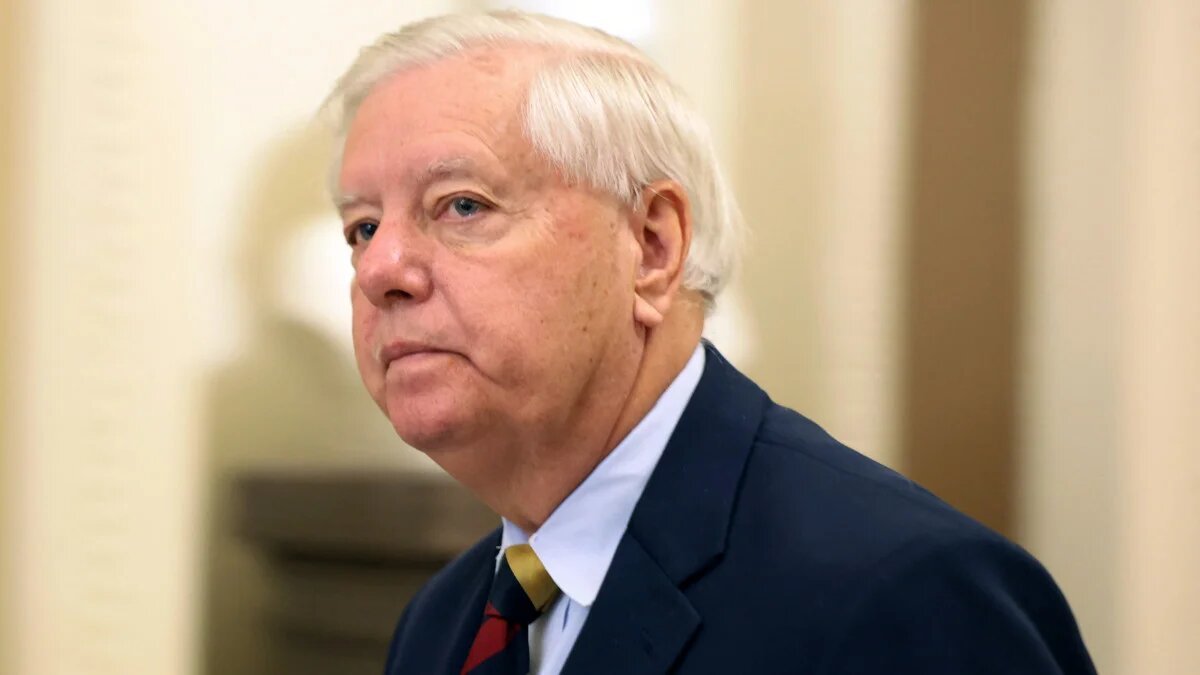
Lindsey Graham Urges Saudi Leadership to Ease Rift with UAE Amid Rising Gulf Tensions
U.S. senator calls for unity between Riyadh and Abu Dhabi as regional cooperation faces strain
U.S. Senator Lindsey Graham has publicly urged Saudi Arabia’s leadership to resolve its differences with the United Arab Emirates, warning that visible friction between the two Gulf powers risks undermining regional stability and shared strategic interests.
In remarks that quickly drew attention in diplomatic circles, Graham appealed for de-escalation, emphasising the importance of cohesion among American partners in the Gulf.
The senator’s comments come amid reports of policy divergences between Riyadh and Abu Dhabi over energy production, regional security alignments and economic competition.
Saudi Arabia and the UAE have, in recent years, worked closely on a range of initiatives, including coordination within OPEC+, defence cooperation and joint infrastructure investments across the Middle East and Africa.
However, analysts note that as both countries pursue ambitious economic diversification programmes, areas of competition have intensified, particularly in sectors such as logistics, tourism, financial services and global energy markets.
The reported strains have also intersected with broader geopolitical calculations, including differing approaches to certain regional conflicts and economic diplomacy strategies.
Despite these divergences, officials from both countries have continued to affirm their partnership and mutual interests.
Graham’s intervention reflects Washington’s longstanding preference for a united Gulf bloc capable of coordinating energy policy and security efforts.
U.S. policymakers view cooperation between Riyadh and Abu Dhabi as central to broader stability in the Middle East, particularly at a time of shifting global alliances and economic uncertainty.
Saudi officials have not publicly responded in detail to the senator’s remarks, though the kingdom has consistently underscored its commitment to constructive regional engagement and dialogue.
The UAE has likewise maintained that its ties with Saudi Arabia remain strong despite tactical differences.
While the current disagreements appear rooted in policy calculations rather than structural rupture, observers say careful diplomacy will be required to ensure that competition does not overshadow cooperation.
For Gulf states pursuing ambitious national agendas, balancing rivalry with partnership remains a defining challenge of the region’s evolving political landscape.
In remarks that quickly drew attention in diplomatic circles, Graham appealed for de-escalation, emphasising the importance of cohesion among American partners in the Gulf.
The senator’s comments come amid reports of policy divergences between Riyadh and Abu Dhabi over energy production, regional security alignments and economic competition.
Saudi Arabia and the UAE have, in recent years, worked closely on a range of initiatives, including coordination within OPEC+, defence cooperation and joint infrastructure investments across the Middle East and Africa.
However, analysts note that as both countries pursue ambitious economic diversification programmes, areas of competition have intensified, particularly in sectors such as logistics, tourism, financial services and global energy markets.
The reported strains have also intersected with broader geopolitical calculations, including differing approaches to certain regional conflicts and economic diplomacy strategies.
Despite these divergences, officials from both countries have continued to affirm their partnership and mutual interests.
Graham’s intervention reflects Washington’s longstanding preference for a united Gulf bloc capable of coordinating energy policy and security efforts.
U.S. policymakers view cooperation between Riyadh and Abu Dhabi as central to broader stability in the Middle East, particularly at a time of shifting global alliances and economic uncertainty.
Saudi officials have not publicly responded in detail to the senator’s remarks, though the kingdom has consistently underscored its commitment to constructive regional engagement and dialogue.
The UAE has likewise maintained that its ties with Saudi Arabia remain strong despite tactical differences.
While the current disagreements appear rooted in policy calculations rather than structural rupture, observers say careful diplomacy will be required to ensure that competition does not overshadow cooperation.
For Gulf states pursuing ambitious national agendas, balancing rivalry with partnership remains a defining challenge of the region’s evolving political landscape.