White HouseSenateThe HouseSupreme CourtFederal ReserveDOJState DepartmentTreasuryCensusBudget OfficeTrade Representative
WashingTone
Informed by Washington, Defined by Insight
Thursday, May 14, 2026
WashingTone

Why the U.S. Job Market Is Increasingly Difficult for Recent College Graduates
A shift in hiring patterns, rising skill requirements, and post-pandemic economic normalization are tightening entry-level opportunities and reshaping the transition from college to work.
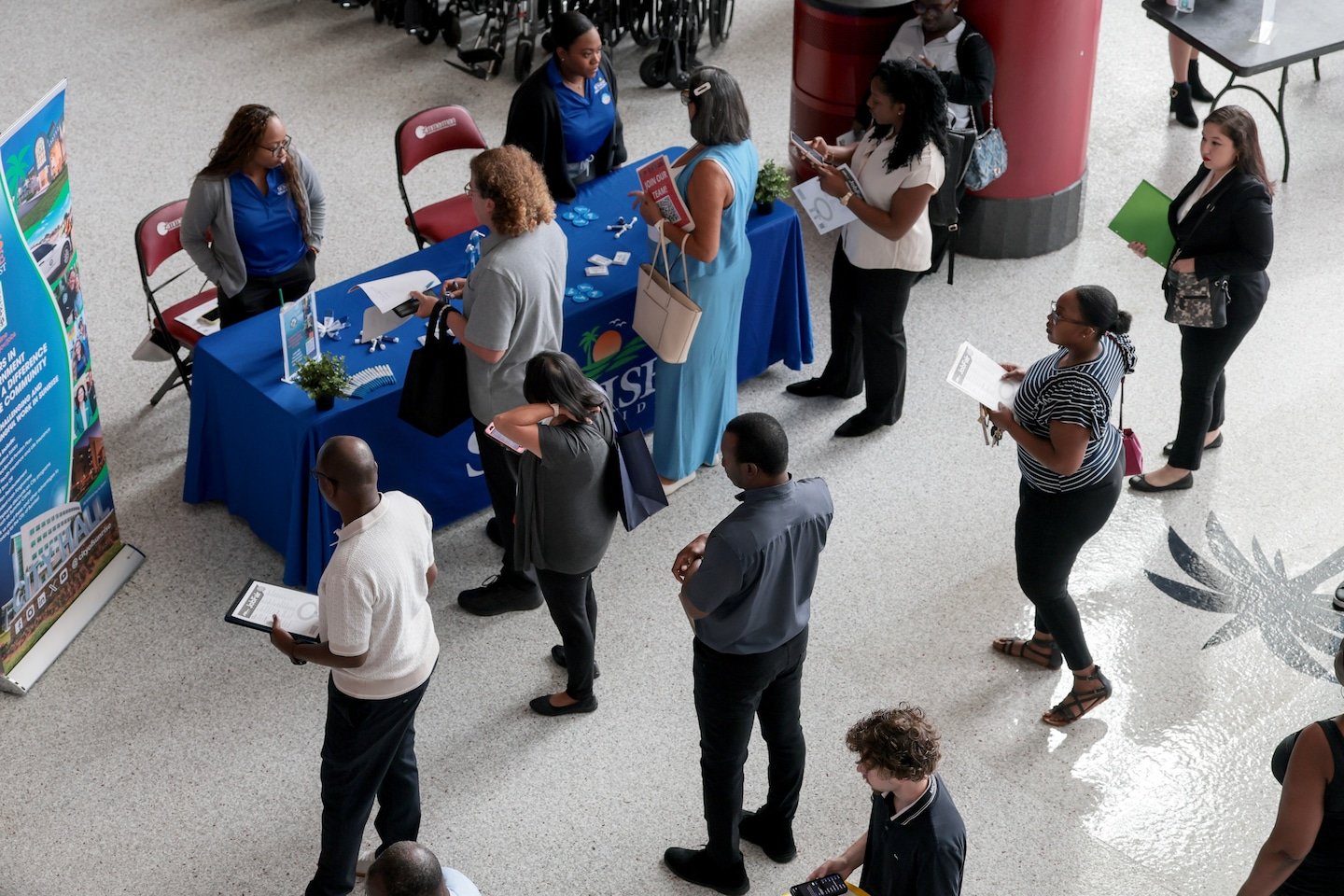
SYSTEM-DRIVEN changes in the structure of the U.S. labor market are making it notably more difficult for recent college graduates to secure stable entry-level employment, as employers increasingly demand prior experience, specialized skills, and immediate productivity from new hires.
What is confirmed across labor market trends is that hiring conditions for entry-level roles have tightened compared with the unusually strong post-pandemic recovery period.
During that earlier phase, companies expanded hiring aggressively to address labor shortages.
As economic conditions normalized, that demand cooled, and employers became more selective, particularly in white-collar and tech-adjacent fields where many graduates typically enter.
A central mechanism driving this shift is the changing definition of what constitutes an "entry-level" job.
Many roles that were previously designed as training-oriented positions now list requirements that effectively assume prior internships, technical proficiency, or domain-specific experience.
This raises the baseline barrier for graduates who rely on these positions as their first step into the workforce.
At the same time, automation and productivity tools, including advanced software systems and artificial intelligence applications, have reduced the need for certain junior tasks that historically served as onboarding pathways.
Tasks such as basic data cleaning, initial drafting, and routine analysis are increasingly handled by software, reducing the number of roles where new graduates can learn on the job.
Another factor is the uneven recovery across sectors.
Industries such as healthcare and skilled trades continue to experience labor shortages, while sectors like technology, media, and finance have undergone hiring slowdowns or restructuring.
This creates a mismatch between where graduates are concentrated and where job openings are expanding.
Higher education output also plays a role in the competition dynamic.
The number of college graduates entering the labor market remains substantial, increasing competition for a smaller pool of traditional entry-level roles in certain fields.
This intensifies the importance of internships, networking, and early specialization during college years.
Wage expectations and cost-of-living pressures further complicate the transition.
Many graduates face a gap between available starting salaries and the financial realities of urban job markets where major employers are concentrated, making relocation or extended job searches more common.
The overall consequence is not a collapse of employment opportunities for graduates, but a structural reshaping of how entry into the labor market works.
The first job after college is increasingly less likely to be a purely developmental role and more likely to require pre-existing skills, forcing students to accumulate work experience earlier through internships, co-ops, or freelance work before graduation.
What is confirmed across labor market trends is that hiring conditions for entry-level roles have tightened compared with the unusually strong post-pandemic recovery period.
During that earlier phase, companies expanded hiring aggressively to address labor shortages.
As economic conditions normalized, that demand cooled, and employers became more selective, particularly in white-collar and tech-adjacent fields where many graduates typically enter.
A central mechanism driving this shift is the changing definition of what constitutes an "entry-level" job.
Many roles that were previously designed as training-oriented positions now list requirements that effectively assume prior internships, technical proficiency, or domain-specific experience.
This raises the baseline barrier for graduates who rely on these positions as their first step into the workforce.
At the same time, automation and productivity tools, including advanced software systems and artificial intelligence applications, have reduced the need for certain junior tasks that historically served as onboarding pathways.
Tasks such as basic data cleaning, initial drafting, and routine analysis are increasingly handled by software, reducing the number of roles where new graduates can learn on the job.
Another factor is the uneven recovery across sectors.
Industries such as healthcare and skilled trades continue to experience labor shortages, while sectors like technology, media, and finance have undergone hiring slowdowns or restructuring.
This creates a mismatch between where graduates are concentrated and where job openings are expanding.
Higher education output also plays a role in the competition dynamic.
The number of college graduates entering the labor market remains substantial, increasing competition for a smaller pool of traditional entry-level roles in certain fields.
This intensifies the importance of internships, networking, and early specialization during college years.
Wage expectations and cost-of-living pressures further complicate the transition.
Many graduates face a gap between available starting salaries and the financial realities of urban job markets where major employers are concentrated, making relocation or extended job searches more common.
The overall consequence is not a collapse of employment opportunities for graduates, but a structural reshaping of how entry into the labor market works.
The first job after college is increasingly less likely to be a purely developmental role and more likely to require pre-existing skills, forcing students to accumulate work experience earlier through internships, co-ops, or freelance work before graduation.