White HouseSenateThe HouseSupreme CourtFederal ReserveDOJState DepartmentTreasuryCensusBudget OfficeTrade Representative
WashingTone
Informed by Washington, Defined by Insight
Thursday, May 14, 2026
WashingTone

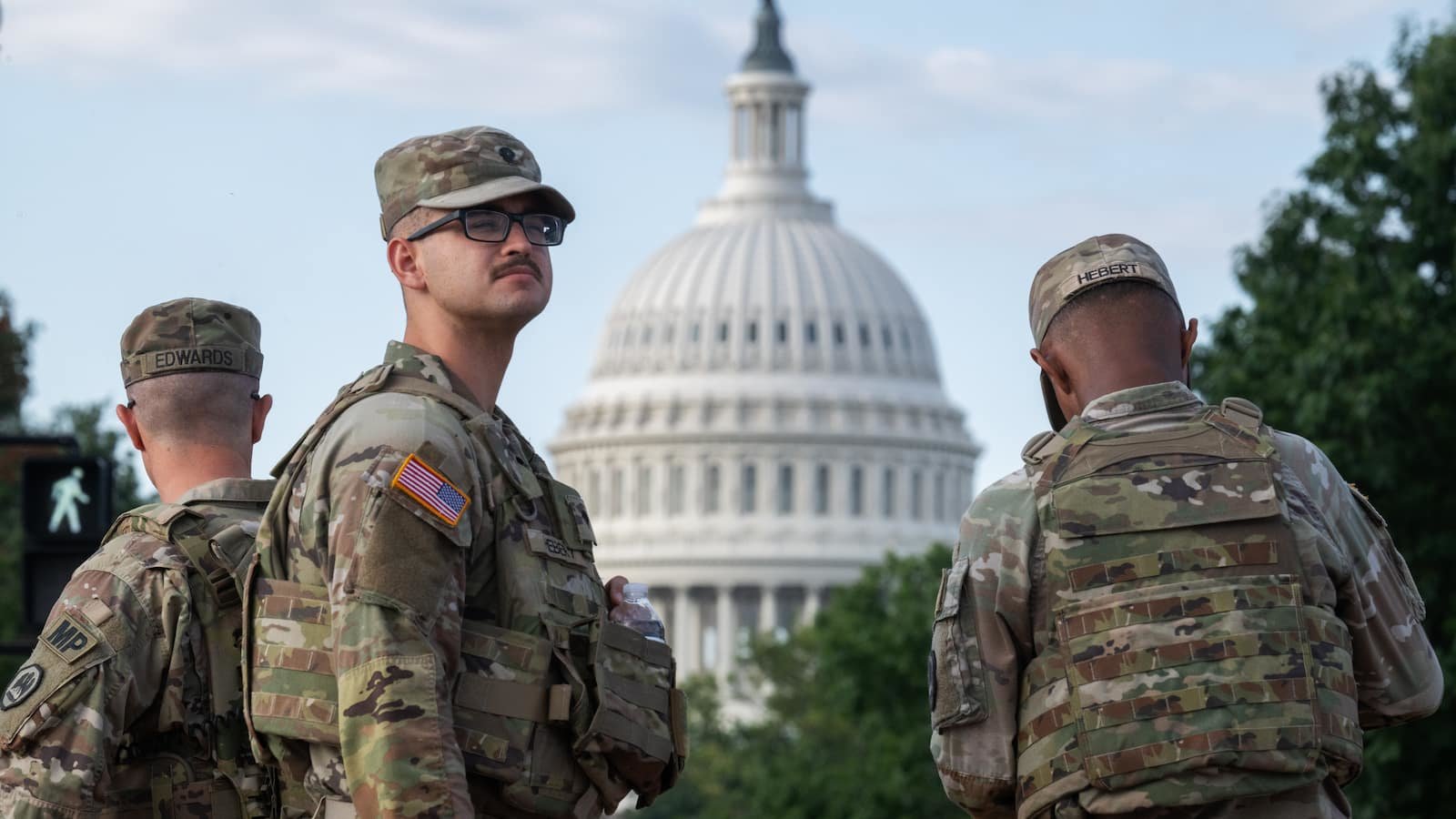
U.S. Senate Blocks Bid to Restrict Iran War Powers as Political Fractures Deepen
A congressional effort to limit executive authority over military action against Iran fails to advance, exposing growing tension between lawmakers and the White House over escalation risks in the Middle East.
SYSTEM-DRIVEN dynamics in U.S. war powers governance have again come into focus after the Senate rejected or failed to advance a legislative effort aimed at constraining military operations connected to Iran.
The episode reflects an ongoing constitutional tension between Congress’s authority to declare or restrict war and the executive branch’s broad interpretation of presidential power in matters of national security.
The measure, as described in legislative discussions, sought to require explicit congressional authorization before sustained military engagement against Iran or its affiliated forces.
Its supporters framed it as a reassertion of congressional oversight following a period of escalating regional confrontation involving U.S. forces, allied states, and Iran-linked armed groups across multiple theaters in the Middle East.
What is confirmed in the broader political context is that recent years have seen repeated attempts by lawmakers from both parties to reassert war powers authority, particularly after incidents involving targeted strikes, retaliatory attacks, and expanded military deployments in the region.
These efforts have consistently faced procedural and political obstacles in the Senate, where high voting thresholds and party alignment dynamics often prevent war powers resolutions from becoming binding policy.
The legislative failure underscores deep divisions within Congress over how to respond to Iran-related escalation risks.
Some lawmakers argue that the executive branch has gradually accumulated de facto authority to conduct sustained military operations without sufficient consultation.
Others maintain that rapid response capabilities are essential in preventing wider conflict and that formal constraints could undermine deterrence.
The strategic backdrop is a prolonged period of tension between the United States and Iran, shaped by nuclear negotiations, sanctions regimes, proxy conflicts, and periodic direct or indirect military exchanges.
These dynamics have made any attempt to legislate binding limits on force highly sensitive, particularly when regional conditions can shift rapidly in response to attacks on commercial shipping, military bases, or allied territory.
The outcome of the vote does not resolve the underlying dispute over war powers authority, but it reinforces the current status quo in which executive discretion remains the dominant mechanism guiding U.S. military posture toward Iran-related threats.
The political friction generated by the vote is likely to carry forward into future legislative sessions, especially if regional tensions escalate further and trigger renewed calls for congressional intervention.
The episode reflects an ongoing constitutional tension between Congress’s authority to declare or restrict war and the executive branch’s broad interpretation of presidential power in matters of national security.
The measure, as described in legislative discussions, sought to require explicit congressional authorization before sustained military engagement against Iran or its affiliated forces.
Its supporters framed it as a reassertion of congressional oversight following a period of escalating regional confrontation involving U.S. forces, allied states, and Iran-linked armed groups across multiple theaters in the Middle East.
What is confirmed in the broader political context is that recent years have seen repeated attempts by lawmakers from both parties to reassert war powers authority, particularly after incidents involving targeted strikes, retaliatory attacks, and expanded military deployments in the region.
These efforts have consistently faced procedural and political obstacles in the Senate, where high voting thresholds and party alignment dynamics often prevent war powers resolutions from becoming binding policy.
The legislative failure underscores deep divisions within Congress over how to respond to Iran-related escalation risks.
Some lawmakers argue that the executive branch has gradually accumulated de facto authority to conduct sustained military operations without sufficient consultation.
Others maintain that rapid response capabilities are essential in preventing wider conflict and that formal constraints could undermine deterrence.
The strategic backdrop is a prolonged period of tension between the United States and Iran, shaped by nuclear negotiations, sanctions regimes, proxy conflicts, and periodic direct or indirect military exchanges.
These dynamics have made any attempt to legislate binding limits on force highly sensitive, particularly when regional conditions can shift rapidly in response to attacks on commercial shipping, military bases, or allied territory.
The outcome of the vote does not resolve the underlying dispute over war powers authority, but it reinforces the current status quo in which executive discretion remains the dominant mechanism guiding U.S. military posture toward Iran-related threats.
The political friction generated by the vote is likely to carry forward into future legislative sessions, especially if regional tensions escalate further and trigger renewed calls for congressional intervention.