White HouseSenateThe HouseSupreme CourtFederal ReserveDOJState DepartmentTreasuryCensusBudget OfficeTrade Representative
WashingTone
Informed by Washington, Defined by Insight
Friday, Feb 13, 2026
WashingTone

White House and HHS Reorganize Department Leadership Ahead of Midterms
Administration appoints new senior officials to streamline operations and refocus health policy priorities under HHS leadership
The Biden White House has authorised a significant reshuffle of the Department of Health and Human Services leadership as part of broader efforts to sharpen messaging and policy execution in the run-up to the 2026 midterm elections.
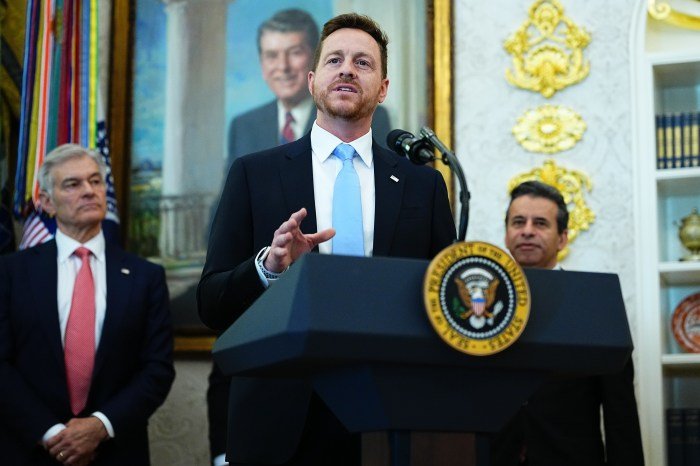
Senior administration officials confirmed that Chris Klomp, the head of Medicare and a former health-care executive, has been selected as the department’s second-in-command to serve under Secretary Robert F. Kennedy Jr. Klomp’s new role will encompass oversight of operations and public communication for HHS, with a view to reinforcing key policy priorities and organisational efficiency.
The decision reflects an effort to align the department’s work on critical domestic issues such as drug pricing reforms and preventive health initiatives with White House objectives.
In addition to Klomp’s appointment, the reshuffle includes the elevation of several senior advisers from prominent subsidiary agencies.
John Brooks, currently head of policy at the Centers for Medicare and Medicaid Services, will help coordinate CMS matters, while Grace Graham and Kyle Diamantas will assume expanded roles overseeing policy functions at the Food and Drug Administration.
These appointments are intended to ensure continued focus on regulatory and public-health challenges.
The shake-up comes amid ongoing debates over health strategy and public confidence in federal health agencies, where leadership decisions have been scrutinised by lawmakers and stakeholders alike.
Department officials have pointed to past operational missteps, including recent grant management issues and internal leadership disagreements, as motivating factors behind the changes.
A White House spokesman stated that the restructuring is designed to improve responsiveness and advance priorities that resonate with public concerns heading into an election year, particularly in the areas of affordable health care and preventive wellness.
The administration’s strategy underscores a shift toward emphasising those elements of health policy that have broad public appeal.
While the changes have been welcomed by some industry observers as a chance to enhance coordination within HHS, questions remain about the future role of the current deputy secretary, who also leads the Centers for Disease Control and Prevention on an interim basis.
The evolving leadership landscape at the agency is likely to continue drawing attention from policymakers focused on health outcomes and governance as the midterm campaign season unfolds.
Senior administration officials confirmed that Chris Klomp, the head of Medicare and a former health-care executive, has been selected as the department’s second-in-command to serve under Secretary Robert F. Kennedy Jr. Klomp’s new role will encompass oversight of operations and public communication for HHS, with a view to reinforcing key policy priorities and organisational efficiency.
The decision reflects an effort to align the department’s work on critical domestic issues such as drug pricing reforms and preventive health initiatives with White House objectives.
In addition to Klomp’s appointment, the reshuffle includes the elevation of several senior advisers from prominent subsidiary agencies.
John Brooks, currently head of policy at the Centers for Medicare and Medicaid Services, will help coordinate CMS matters, while Grace Graham and Kyle Diamantas will assume expanded roles overseeing policy functions at the Food and Drug Administration.
These appointments are intended to ensure continued focus on regulatory and public-health challenges.
The shake-up comes amid ongoing debates over health strategy and public confidence in federal health agencies, where leadership decisions have been scrutinised by lawmakers and stakeholders alike.
Department officials have pointed to past operational missteps, including recent grant management issues and internal leadership disagreements, as motivating factors behind the changes.
A White House spokesman stated that the restructuring is designed to improve responsiveness and advance priorities that resonate with public concerns heading into an election year, particularly in the areas of affordable health care and preventive wellness.
The administration’s strategy underscores a shift toward emphasising those elements of health policy that have broad public appeal.
While the changes have been welcomed by some industry observers as a chance to enhance coordination within HHS, questions remain about the future role of the current deputy secretary, who also leads the Centers for Disease Control and Prevention on an interim basis.
The evolving leadership landscape at the agency is likely to continue drawing attention from policymakers focused on health outcomes and governance as the midterm campaign season unfolds.