White HouseSenateThe HouseSupreme CourtFederal ReserveDOJState DepartmentTreasuryCensusBudget OfficeTrade Representative
WashingTone
Informed by Washington, Defined by Insight
Wednesday, Apr 29, 2026
WashingTone

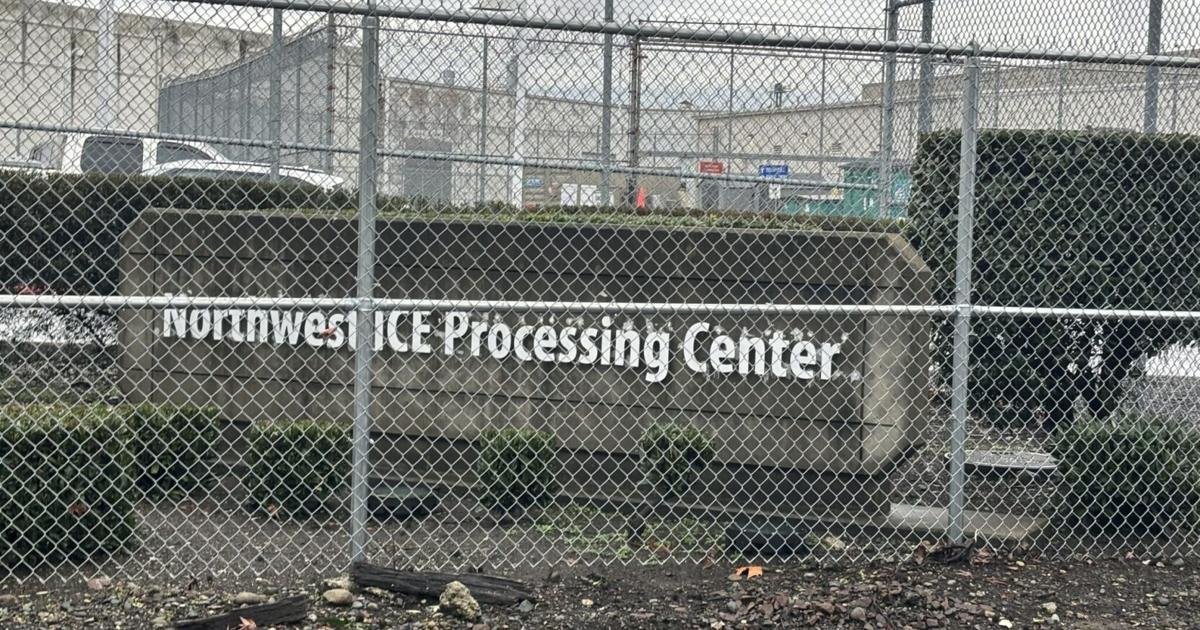
Washington Seeks Court Order to Break Access Block at Tacoma Immigration Detention Center
State officials ask a federal judge to compel GEO Group to allow health inspectors into the Northwest ICE Processing Center after years of blocked inspections and thousands of detainee complaints
SYSTEM-DRIVEN: The core of this dispute is not a single incident but a structural conflict over regulatory authority—specifically whether a U.S. state can enforce health and safety inspections inside a privately operated immigration detention facility contracted by federal immigration authorities.
Washington state has asked a federal judge to order The GEO Group, a private prison operator, to allow state health inspectors into the Northwest ICE Processing Center in Tacoma.
The facility holds up to roughly 1,600 immigrants awaiting deportation or release and operates under contract with U.S. Immigration and Customs Enforcement.
The legal fight centers on whether state authorities can enforce inspection rights at a facility that is functionally part of federal immigration enforcement but physically located within state jurisdiction.
What is confirmed is that state Department of Health inspectors have been repeatedly denied entry since 2023, despite multiple attempts—at least ten according to state filings.
The most recent denial occurred in April 2026, when inspectors were again turned away while attempting to investigate conditions inside the facility.
State officials argue they were instructed to seek permission through federal immigration authorities, who have not responded in a way that enabled access.
The state’s request to the court follows an earlier legal victory that upheld Washington’s authority to conduct inspections at private detention facilities.
A federal appeals court previously affirmed a state law enabling such oversight, allowing it to take effect after an earlier injunction had blocked enforcement.
Despite that ruling, access to the Tacoma facility has remained effectively blocked in practice.
The dispute is driven in part by a large volume of detainee complaints.
Washington officials say they have received more than 3,500 complaints about conditions inside the center.
Roughly a thousand of those relate to food, water, and air quality.
Allegations described in filings include concerns over contaminated food, issues with drinking water, overcrowding, and restricted access to services such as religious attendance.
These claims have not been adjudicated in court but form the basis for the state’s demand for inspection authority.
The GEO Group has argued in court filings that the matter should be resolved by higher judicial review, pointing toward a possible appeal to the U.S. Supreme Court.
The company has also maintained that access to the facility is governed by federal immigration authorities, not state regulators, effectively placing inspection authority in legal dispute between state and federal systems.
Washington officials frame the case as a straightforward enforcement issue: a state law exists granting inspection authority, and that authority is being obstructed.
The state has also emphasized broader oversight concerns tied to health, sanitation, and detainee welfare inside the facility, which has been the subject of long-running scrutiny and previous litigation involving labor practices and detention conditions.
The court’s decision will determine whether state inspectors can physically enter the Tacoma facility to conduct health and safety reviews, a ruling that could set a precedent for how far state regulatory power extends inside federally contracted immigration detention centers operated by private companies.
If the court grants the order, state inspectors would gain direct access to investigate conditions inside one of the largest immigration detention centers in the western United States, immediately shifting oversight from a contested legal status to active enforcement on the ground.
Washington state has asked a federal judge to order The GEO Group, a private prison operator, to allow state health inspectors into the Northwest ICE Processing Center in Tacoma.
The facility holds up to roughly 1,600 immigrants awaiting deportation or release and operates under contract with U.S. Immigration and Customs Enforcement.
The legal fight centers on whether state authorities can enforce inspection rights at a facility that is functionally part of federal immigration enforcement but physically located within state jurisdiction.
What is confirmed is that state Department of Health inspectors have been repeatedly denied entry since 2023, despite multiple attempts—at least ten according to state filings.
The most recent denial occurred in April 2026, when inspectors were again turned away while attempting to investigate conditions inside the facility.
State officials argue they were instructed to seek permission through federal immigration authorities, who have not responded in a way that enabled access.
The state’s request to the court follows an earlier legal victory that upheld Washington’s authority to conduct inspections at private detention facilities.
A federal appeals court previously affirmed a state law enabling such oversight, allowing it to take effect after an earlier injunction had blocked enforcement.
Despite that ruling, access to the Tacoma facility has remained effectively blocked in practice.
The dispute is driven in part by a large volume of detainee complaints.
Washington officials say they have received more than 3,500 complaints about conditions inside the center.
Roughly a thousand of those relate to food, water, and air quality.
Allegations described in filings include concerns over contaminated food, issues with drinking water, overcrowding, and restricted access to services such as religious attendance.
These claims have not been adjudicated in court but form the basis for the state’s demand for inspection authority.
The GEO Group has argued in court filings that the matter should be resolved by higher judicial review, pointing toward a possible appeal to the U.S. Supreme Court.
The company has also maintained that access to the facility is governed by federal immigration authorities, not state regulators, effectively placing inspection authority in legal dispute between state and federal systems.
Washington officials frame the case as a straightforward enforcement issue: a state law exists granting inspection authority, and that authority is being obstructed.
The state has also emphasized broader oversight concerns tied to health, sanitation, and detainee welfare inside the facility, which has been the subject of long-running scrutiny and previous litigation involving labor practices and detention conditions.
The court’s decision will determine whether state inspectors can physically enter the Tacoma facility to conduct health and safety reviews, a ruling that could set a precedent for how far state regulatory power extends inside federally contracted immigration detention centers operated by private companies.
If the court grants the order, state inspectors would gain direct access to investigate conditions inside one of the largest immigration detention centers in the western United States, immediately shifting oversight from a contested legal status to active enforcement on the ground.