White HouseSenateThe HouseSupreme CourtFederal ReserveDOJState DepartmentTreasuryCensusBudget OfficeTrade Representative
WashingTone
Informed by Washington, Defined by Insight
Wednesday, Apr 29, 2026
WashingTone

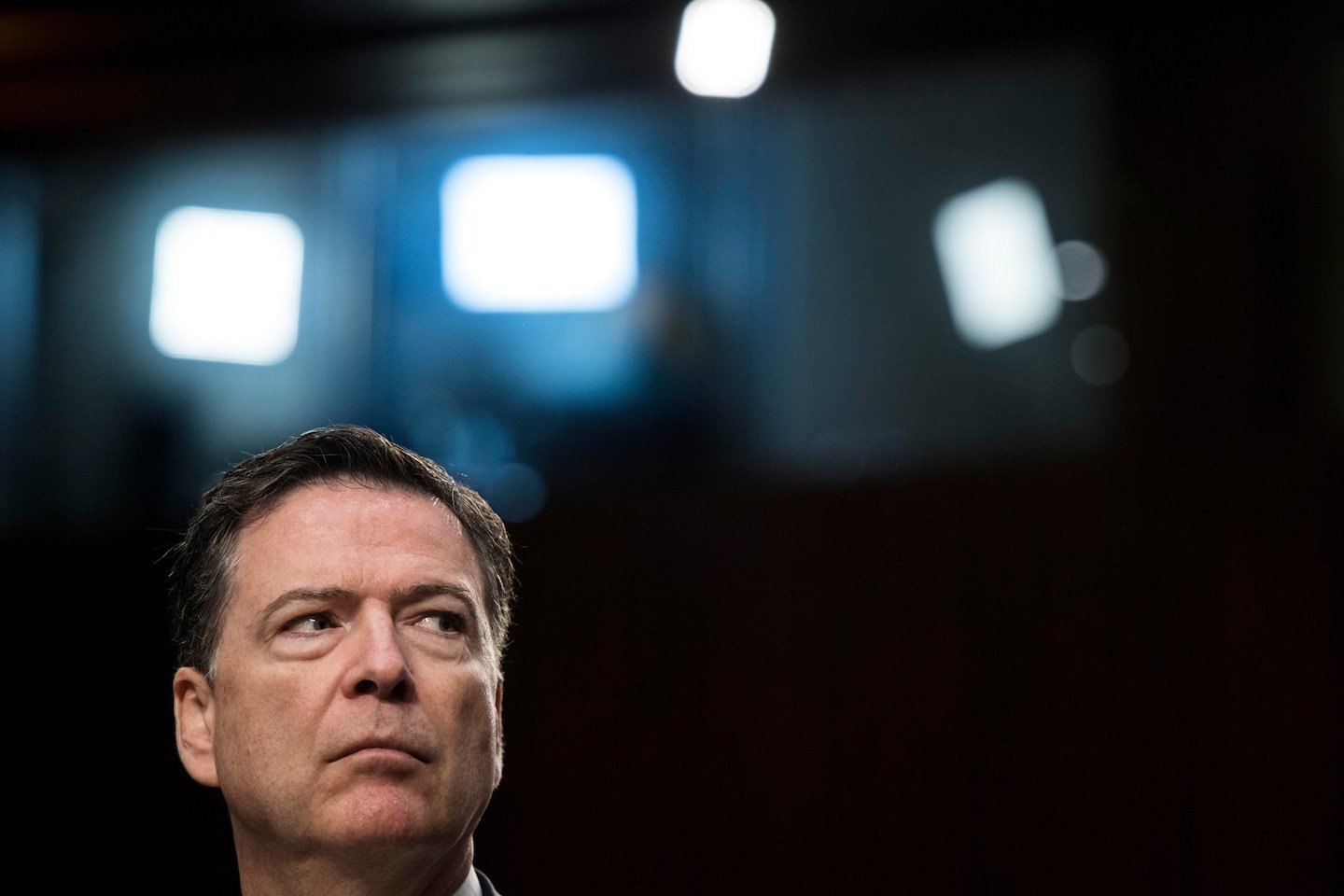
James Comey Indicted Over Alleged 2025 Social Media Threat Against Trump
The former FBI director faces a reported federal indictment tied to a post allegedly targeting Donald Trump, raising questions over political speech, prosecutorial standards, and escalation in legal pressure on high-profile officials
ACTOR-DRIVEN: The core driver of this story is the legal action taken against James Comey, the former director of the FBI, in connection with allegations tied to a social media post and its interpretation as a threat against Donald Trump.
James Comey has been indicted in connection with a 2025 social media post that is alleged to have contained or implied a threat directed at Donald Trump.
What is confirmed is that legal proceedings have been initiated at a federal level, marking a significant escalation in scrutiny of a former senior law enforcement official who has remained a politically sensitive figure since leaving office.
The indictment centers on the interpretation of public statements made online and whether they cross the legal threshold from protected speech into criminal conduct.
The specific content of the post has been described as controversial and politically charged, but the evidentiary standards used to establish intent, threat credibility, and legal classification have not been fully detailed in public-facing documentation.
At the heart of the case is the question of how U.S. law distinguishes between political expression and prosecutable threats, particularly when the statements involve high-profile political figures.
Legal experts typically assess such cases based on context, phrasing, timing, and perceived plausibility of harm, rather than isolated words alone.
Comey, who previously served as FBI director during a period of intense political division in the United States, has remained a prominent public figure and commentator.
His past role adds weight to the political sensitivity surrounding the indictment, but does not by itself determine legal liability in the current case.
The initiation of an indictment does not establish guilt.
It indicates that prosecutors believe there is sufficient evidence to bring charges before a court, where the claims will be tested under legal standards of proof.
The burden of proof remains with the government throughout the process.
The case also arrives in a broader environment of heightened political tension in the United States, where disputes over speech, accountability, and the boundaries of political expression have increasingly entered the legal system.
High-profile prosecutions involving public figures tend to amplify these tensions, regardless of eventual outcomes.
What is confirmed at this stage is the formal movement of the case into the judicial system.
The next phase will involve court proceedings in which evidence, intent, and legal interpretation will be examined in detail, ultimately determining whether the allegations result in conviction or dismissal.
James Comey has been indicted in connection with a 2025 social media post that is alleged to have contained or implied a threat directed at Donald Trump.
What is confirmed is that legal proceedings have been initiated at a federal level, marking a significant escalation in scrutiny of a former senior law enforcement official who has remained a politically sensitive figure since leaving office.
The indictment centers on the interpretation of public statements made online and whether they cross the legal threshold from protected speech into criminal conduct.
The specific content of the post has been described as controversial and politically charged, but the evidentiary standards used to establish intent, threat credibility, and legal classification have not been fully detailed in public-facing documentation.
At the heart of the case is the question of how U.S. law distinguishes between political expression and prosecutable threats, particularly when the statements involve high-profile political figures.
Legal experts typically assess such cases based on context, phrasing, timing, and perceived plausibility of harm, rather than isolated words alone.
Comey, who previously served as FBI director during a period of intense political division in the United States, has remained a prominent public figure and commentator.
His past role adds weight to the political sensitivity surrounding the indictment, but does not by itself determine legal liability in the current case.
The initiation of an indictment does not establish guilt.
It indicates that prosecutors believe there is sufficient evidence to bring charges before a court, where the claims will be tested under legal standards of proof.
The burden of proof remains with the government throughout the process.
The case also arrives in a broader environment of heightened political tension in the United States, where disputes over speech, accountability, and the boundaries of political expression have increasingly entered the legal system.
High-profile prosecutions involving public figures tend to amplify these tensions, regardless of eventual outcomes.
What is confirmed at this stage is the formal movement of the case into the judicial system.
The next phase will involve court proceedings in which evidence, intent, and legal interpretation will be examined in detail, ultimately determining whether the allegations result in conviction or dismissal.