White HouseSenateThe HouseSupreme CourtFederal ReserveDOJState DepartmentTreasuryCensusBudget OfficeTrade Representative
WashingTone
Informed by Washington, Defined by Insight
Thursday, Feb 05, 2026
WashingTone

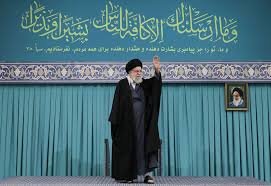
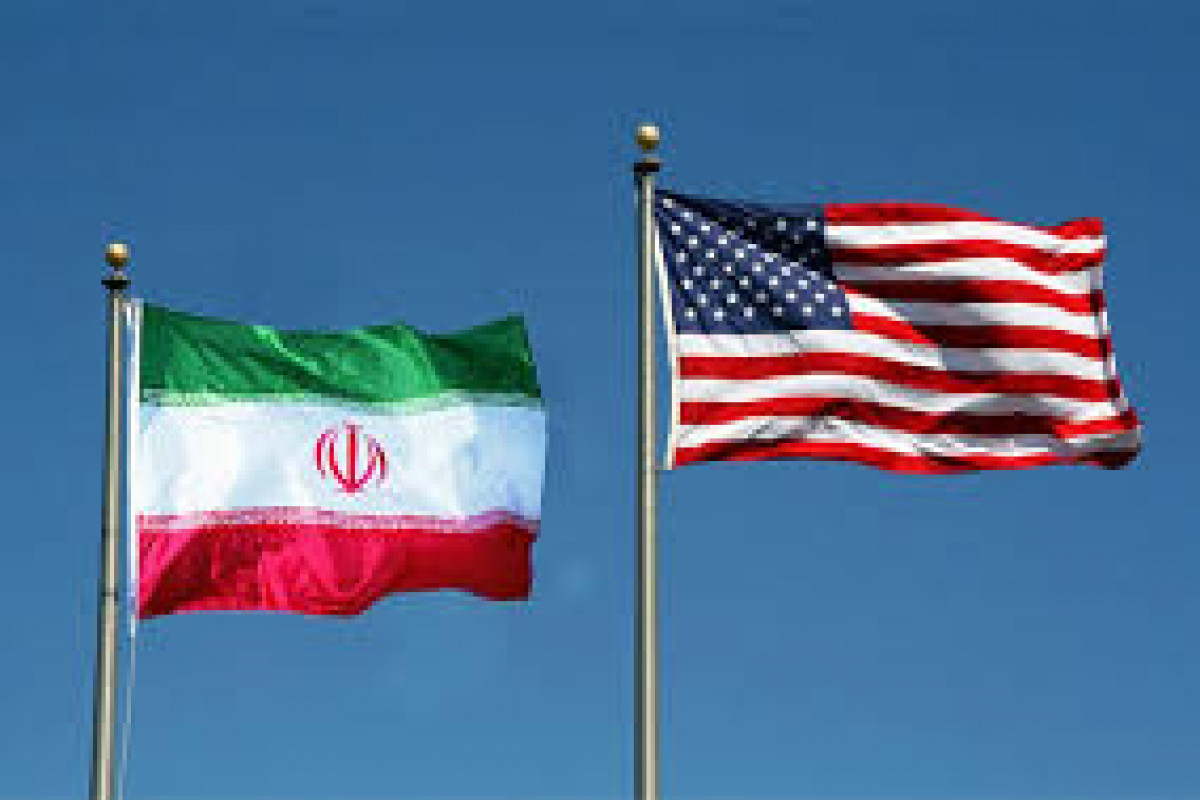
U.S. and Iran Nuclear Talks Revived After Arab Leaders Urge White House to Continue Diplomacy
High-stakes negotiations over Tehran’s nuclear programme are set to proceed in Oman after regional allies lobbied the Biden administration to keep dialogue alive
Diplomatic efforts between the United States and Iran to address Tehran’s nuclear programme, which had appeared at risk of collapse, have been revived following intense lobbying by Arab and other regional leaders urging the White House to maintain the talks.
The negotiations, now scheduled to take place on Friday in Muscat, Oman, will focus on Iran’s nuclear activities, with both sides affirming their participation after earlier uncertainty over scheduling and format.
The shift comes against the backdrop of heightened tensions in the Middle East, including recent military incidents involving U.S. forces and Iranian assets, and sustained pressure from key Gulf states for a negotiated solution rather than a military confrontation.
Regional allies, including Saudi Arabia, Qatar and others, communicated directly with U.S. officials, stressing the importance of proceeding with diplomacy and urging Washington not to withdraw from the process.
Following that intervention, the U.S. administration agreed to the revised venue and framework for the talks, a senior U.S. official said, emphasising that the negotiations would move forward in a manner respectful of allied concerns and the goal of pursuing a diplomatic track.
Iran’s foreign minister confirmed that the dialogue will occur in Oman, expressing appreciation to the host and underscoring Tehran’s readiness to discuss nuclear issues.
While Iran seeks to limit the scope of discussions to its nuclear programme, the United States has signalled interest in addressing additional security concerns, including Iran’s ballistic missile development and regional proxy support.
The resumption of talks marks the first formal engagement on these issues in months and reflects a concerted effort by regional and international partners to avert escalation, balancing diplomatic overtures with clear warnings that the U.S. remains prepared to use military leverage if necessary.
As preparations continue, observers note that the negotiations will test the willingness of both capitals to bridge longstanding differences and explore a path toward preventing further escalation in a region already strained by conflict and geopolitical rivalries.
The negotiations, now scheduled to take place on Friday in Muscat, Oman, will focus on Iran’s nuclear activities, with both sides affirming their participation after earlier uncertainty over scheduling and format.
The shift comes against the backdrop of heightened tensions in the Middle East, including recent military incidents involving U.S. forces and Iranian assets, and sustained pressure from key Gulf states for a negotiated solution rather than a military confrontation.
Regional allies, including Saudi Arabia, Qatar and others, communicated directly with U.S. officials, stressing the importance of proceeding with diplomacy and urging Washington not to withdraw from the process.
Following that intervention, the U.S. administration agreed to the revised venue and framework for the talks, a senior U.S. official said, emphasising that the negotiations would move forward in a manner respectful of allied concerns and the goal of pursuing a diplomatic track.
Iran’s foreign minister confirmed that the dialogue will occur in Oman, expressing appreciation to the host and underscoring Tehran’s readiness to discuss nuclear issues.
While Iran seeks to limit the scope of discussions to its nuclear programme, the United States has signalled interest in addressing additional security concerns, including Iran’s ballistic missile development and regional proxy support.
The resumption of talks marks the first formal engagement on these issues in months and reflects a concerted effort by regional and international partners to avert escalation, balancing diplomatic overtures with clear warnings that the U.S. remains prepared to use military leverage if necessary.
As preparations continue, observers note that the negotiations will test the willingness of both capitals to bridge longstanding differences and explore a path toward preventing further escalation in a region already strained by conflict and geopolitical rivalries.