White HouseSenateThe HouseSupreme CourtFederal ReserveDOJState DepartmentTreasuryCensusBudget OfficeTrade Representative
WashingTone
Informed by Washington, Defined by Insight
Sunday, Mar 22, 2026
WashingTone

0:00
0:00
Trump’s Pearl Harbor Remark Sparks Unease in Japan Amid Iran War Justification
Reference to historic attack during defence of surprise strikes prompts diplomatic discomfort in Tokyo
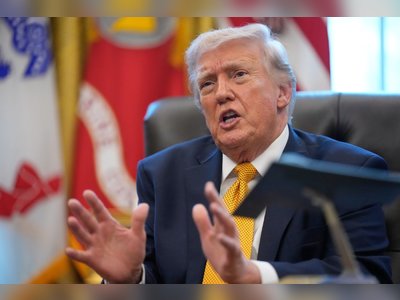
A remark by President Donald Trump invoking the 1941 attack on Pearl Harbor has triggered surprise and unease in Japan, highlighting sensitivities in the U.S.–Japan alliance as Washington continues its military campaign against Iran.
Speaking during a White House meeting with Japanese Prime Minister Sanae Takaichi, the president defended his decision not to notify allies in advance of U.S. strikes on Iran by emphasising the importance of operational surprise.
In doing so, he referenced Japan’s wartime attack on Pearl Harbor, suggesting that the concept of surprise in military strategy was well understood.
The comment, delivered in a moment of candid exchange with reporters, drew a mixed reaction in the room and was followed by a visibly composed but restrained response from the Japanese leader.
While the meeting continued on a cordial footing, the reference resonated strongly in Japan, where the historical event remains a deeply sensitive subject tied to both wartime memory and postwar reconciliation.
Officials in Tokyo moved quickly to contain the diplomatic impact, noting that the remark did not form part of substantive discussions between the two leaders.
Japanese representatives reaffirmed the country’s commitment to its alliance with the United States while maintaining a cautious stance on the Iran conflict, reflecting constitutional limits on overseas military engagement.
Public reaction in Japan has ranged from surprise to discomfort, with some observers expressing concern over the use of historically charged language in a contemporary security context.
The episode has underscored the delicate balance Japan faces as it supports regional stability efforts while avoiding deeper involvement in escalating hostilities.
The exchange comes at a time of heightened strategic coordination between Washington and its allies, as the United States intensifies efforts to counter Iran’s actions and secure vital global shipping routes.
President Trump has framed the use of surprise as a decisive factor in achieving operational success, reinforcing a broader strategy focused on strength, speed and effectiveness in military planning.
Despite the momentary tension, both governments have signalled their intention to continue close cooperation, particularly on energy security and regional diplomacy.
The incident nevertheless illustrates how historical references can reverberate in modern geopolitics, especially during periods of conflict where alliances are being tested and recalibrated.
Speaking during a White House meeting with Japanese Prime Minister Sanae Takaichi, the president defended his decision not to notify allies in advance of U.S. strikes on Iran by emphasising the importance of operational surprise.
In doing so, he referenced Japan’s wartime attack on Pearl Harbor, suggesting that the concept of surprise in military strategy was well understood.
The comment, delivered in a moment of candid exchange with reporters, drew a mixed reaction in the room and was followed by a visibly composed but restrained response from the Japanese leader.
While the meeting continued on a cordial footing, the reference resonated strongly in Japan, where the historical event remains a deeply sensitive subject tied to both wartime memory and postwar reconciliation.
Officials in Tokyo moved quickly to contain the diplomatic impact, noting that the remark did not form part of substantive discussions between the two leaders.
Japanese representatives reaffirmed the country’s commitment to its alliance with the United States while maintaining a cautious stance on the Iran conflict, reflecting constitutional limits on overseas military engagement.
Public reaction in Japan has ranged from surprise to discomfort, with some observers expressing concern over the use of historically charged language in a contemporary security context.
The episode has underscored the delicate balance Japan faces as it supports regional stability efforts while avoiding deeper involvement in escalating hostilities.
The exchange comes at a time of heightened strategic coordination between Washington and its allies, as the United States intensifies efforts to counter Iran’s actions and secure vital global shipping routes.
President Trump has framed the use of surprise as a decisive factor in achieving operational success, reinforcing a broader strategy focused on strength, speed and effectiveness in military planning.
Despite the momentary tension, both governments have signalled their intention to continue close cooperation, particularly on energy security and regional diplomacy.
The incident nevertheless illustrates how historical references can reverberate in modern geopolitics, especially during periods of conflict where alliances are being tested and recalibrated.