White HouseSenateThe HouseSupreme CourtFederal ReserveDOJState DepartmentTreasuryCensusBudget OfficeTrade Representative
WashingTone
Informed by Washington, Defined by Insight
Sunday, Feb 08, 2026
WashingTone

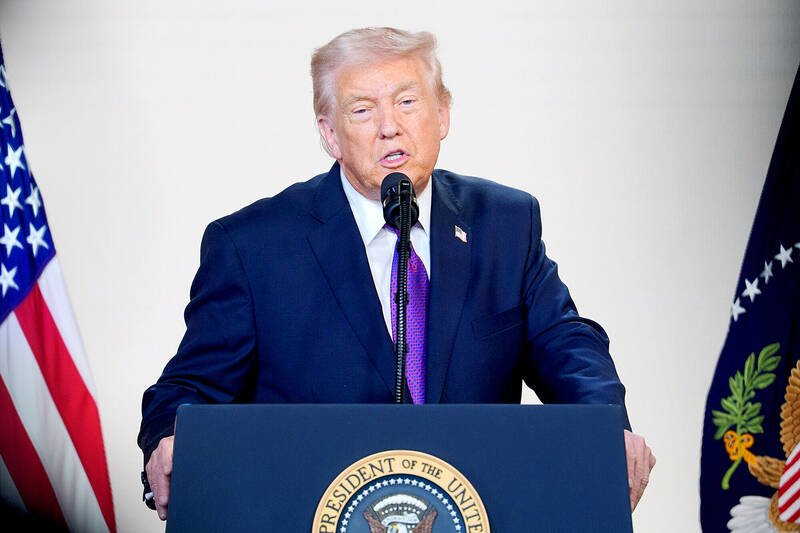
Trump Administration Signals Strong Support for Major Defense Spenders in New U.S. Arms Strategy
President’s executive order and budget proposals prioritise partners with substantial defence investment and push for expanded U.S. military spending
President Donald Trump has unveiled a new direction in U.S. defence policy that underscores enhanced support for countries that commit significant resources to their own defence and aligns with his broader push to strengthen American military capability.
On Friday, Trump signed an executive order establishing the "America First Arms Transfer Strategy," which directs federal agencies to prioritise foreign military sales to partners with high defence spending and strategic importance, marking a departure from the longstanding first-come, first-served arms export approach.
This policy aims to accelerate delivery of U.S. weapons to allies deemed vital for regional security while leveraging foreign purchases to bolster domestic defence production capacity and supply chains.
The order tasks the secretaries of defence, state and commerce with developing a catalogue of prioritised weapons systems and streamlining bureaucratic processes to reduce delays and enhance transparency.
It also reflects administration concerns that historic delivery backlogs have undermined U.S. readiness and diplomatic objectives.
Trump and senior officials have framed the policy as a way to reinforce burden-sharing among allies, linking priority access to demonstrated commitment to self-defence and alignment with U.S. strategic interests.
Alongside the arms export strategy, the Trump administration has called for a substantial expansion of U.S. defence spending.
In early January, Trump proposed a defence budget of $1.5 trillion for fiscal 2027, representing a significant increase over the roughly $901 billion authorised for 2026, which administration officials characterise as necessary to modernise forces, deter great-power rivals and build what the president has described as a “dream military.” The elevated spending request would include enhancements to emerging capabilities and expanded procurement to ensure readiness across all domains.
These developments come as the Pentagon and Congress negotiate budget priorities, with lawmakers already having approved large supplemental funding and reconciliation packages that push total defence outlays toward the trillion-dollar threshold.
The emphasis on rewarding high spenders among U.S. partners and allies has sparked debate on Capitol Hill and among defence stakeholders, as supporters argue the approach strengthens collective security and industrial base responsiveness, while critics caution about implications for broader diplomatic and strategic relationships.
By linking arms sales and budget increases with allied defence investment and strategic cooperation, the Trump administration is signalling a shift in U.S. defence engagement that combines robust domestic military growth with an incentive structure for international partners to enhance their own capabilities and align more closely with Washington’s global security objectives.
On Friday, Trump signed an executive order establishing the "America First Arms Transfer Strategy," which directs federal agencies to prioritise foreign military sales to partners with high defence spending and strategic importance, marking a departure from the longstanding first-come, first-served arms export approach.
This policy aims to accelerate delivery of U.S. weapons to allies deemed vital for regional security while leveraging foreign purchases to bolster domestic defence production capacity and supply chains.
The order tasks the secretaries of defence, state and commerce with developing a catalogue of prioritised weapons systems and streamlining bureaucratic processes to reduce delays and enhance transparency.
It also reflects administration concerns that historic delivery backlogs have undermined U.S. readiness and diplomatic objectives.
Trump and senior officials have framed the policy as a way to reinforce burden-sharing among allies, linking priority access to demonstrated commitment to self-defence and alignment with U.S. strategic interests.
Alongside the arms export strategy, the Trump administration has called for a substantial expansion of U.S. defence spending.
In early January, Trump proposed a defence budget of $1.5 trillion for fiscal 2027, representing a significant increase over the roughly $901 billion authorised for 2026, which administration officials characterise as necessary to modernise forces, deter great-power rivals and build what the president has described as a “dream military.” The elevated spending request would include enhancements to emerging capabilities and expanded procurement to ensure readiness across all domains.
These developments come as the Pentagon and Congress negotiate budget priorities, with lawmakers already having approved large supplemental funding and reconciliation packages that push total defence outlays toward the trillion-dollar threshold.
The emphasis on rewarding high spenders among U.S. partners and allies has sparked debate on Capitol Hill and among defence stakeholders, as supporters argue the approach strengthens collective security and industrial base responsiveness, while critics caution about implications for broader diplomatic and strategic relationships.
By linking arms sales and budget increases with allied defence investment and strategic cooperation, the Trump administration is signalling a shift in U.S. defence engagement that combines robust domestic military growth with an incentive structure for international partners to enhance their own capabilities and align more closely with Washington’s global security objectives.