White HouseSenateThe HouseSupreme CourtFederal ReserveDOJState DepartmentTreasuryCensusBudget OfficeTrade Representative
WashingTone
Informed by Washington, Defined by Insight
Monday, May 04, 2026
WashingTone

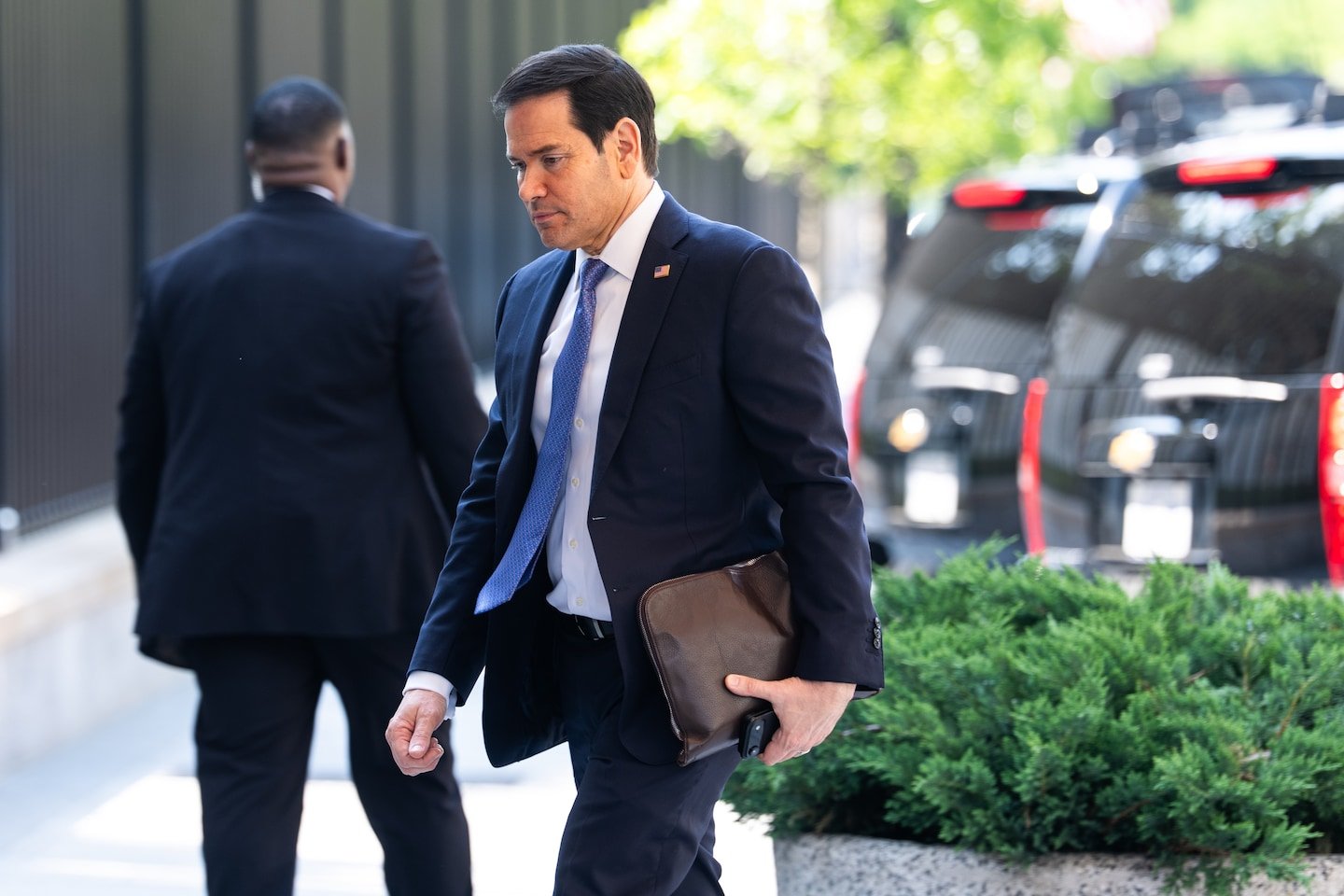
Rubio’s Vatican Meeting Highlights Diplomatic Tensions Over Iran Policy
A planned meeting between U.S. Secretary of State Marco Rubio and Pope Leo underscores widening differences between Washington and the Vatican on Iran amid broader geopolitical friction
The planned diplomatic engagement between U.S. Secretary of State Marco Rubio and Pope Leo reflects an ACTOR-DRIVEN intersection of foreign policy and religious diplomacy, set against intensifying disagreements over Iran policy between the United States and the Vatican.
The meeting is expected to take place amid a broader political context in which Washington’s strategic posture toward Iran has become increasingly assertive, while the Vatican continues to emphasize de-escalation and humanitarian framing in international conflicts.
What is confirmed is that the United States and the Vatican maintain regular diplomatic channels, with high-level meetings often used to exchange views on global conflict zones, migration, and humanitarian crises.
The Vatican, as a sovereign entity and moral authority within global diplomacy, frequently engages with major powers even when policy positions diverge significantly.
The reported tension referenced in political commentary stems from differing approaches to Iran.
U.S. policy has generally centered on sanctions enforcement, deterrence, and regional security alignment with allies in the Middle East.
The Vatican, by contrast, has consistently advocated for restraint, dialogue, and avoidance of military escalation, particularly in regions where civilian populations face heightened risk.
The involvement of Pope Leo in this context places religious diplomacy alongside traditional statecraft.
While the Vatican does not possess military or economic leverage comparable to major powers, its influence operates through moral authority and global advocacy networks, particularly on humanitarian and conflict-related issues.
Marco Rubio’s expected participation reflects Washington’s broader effort to maintain engagement with key international actors across ideological and institutional divides.
Meetings of this type typically serve as platforms to explain policy positions, assess global humanitarian concerns, and manage diplomatic differences without formal negotiation mandates.
The reference to internal political friction involving the Trump administration and the Vatican over Iran underscores how foreign policy debates can extend beyond state-to-state relations and into broader symbolic and ethical discussions.
Iran remains a focal point of international disagreement, particularly regarding nuclear policy, regional military activity, and sanctions regimes.
The stakes of such engagement lie in diplomatic signaling rather than immediate policy change.
Even when substantive agreements are unlikely, these meetings help define the boundaries of international consensus and disagreement, particularly on issues involving potential military escalation.
The broader implication is that global diplomacy continues to operate across multiple parallel channels: formal intergovernmental negotiation, institutional religious diplomacy, and public political signaling.
The Rubio–Vatican engagement illustrates how these channels intersect in moments of heightened geopolitical tension, particularly where conflict risk and humanitarian concerns overlap.
The meeting is expected to take place amid a broader political context in which Washington’s strategic posture toward Iran has become increasingly assertive, while the Vatican continues to emphasize de-escalation and humanitarian framing in international conflicts.
What is confirmed is that the United States and the Vatican maintain regular diplomatic channels, with high-level meetings often used to exchange views on global conflict zones, migration, and humanitarian crises.
The Vatican, as a sovereign entity and moral authority within global diplomacy, frequently engages with major powers even when policy positions diverge significantly.
The reported tension referenced in political commentary stems from differing approaches to Iran.
U.S. policy has generally centered on sanctions enforcement, deterrence, and regional security alignment with allies in the Middle East.
The Vatican, by contrast, has consistently advocated for restraint, dialogue, and avoidance of military escalation, particularly in regions where civilian populations face heightened risk.
The involvement of Pope Leo in this context places religious diplomacy alongside traditional statecraft.
While the Vatican does not possess military or economic leverage comparable to major powers, its influence operates through moral authority and global advocacy networks, particularly on humanitarian and conflict-related issues.
Marco Rubio’s expected participation reflects Washington’s broader effort to maintain engagement with key international actors across ideological and institutional divides.
Meetings of this type typically serve as platforms to explain policy positions, assess global humanitarian concerns, and manage diplomatic differences without formal negotiation mandates.
The reference to internal political friction involving the Trump administration and the Vatican over Iran underscores how foreign policy debates can extend beyond state-to-state relations and into broader symbolic and ethical discussions.
Iran remains a focal point of international disagreement, particularly regarding nuclear policy, regional military activity, and sanctions regimes.
The stakes of such engagement lie in diplomatic signaling rather than immediate policy change.
Even when substantive agreements are unlikely, these meetings help define the boundaries of international consensus and disagreement, particularly on issues involving potential military escalation.
The broader implication is that global diplomacy continues to operate across multiple parallel channels: formal intergovernmental negotiation, institutional religious diplomacy, and public political signaling.
The Rubio–Vatican engagement illustrates how these channels intersect in moments of heightened geopolitical tension, particularly where conflict risk and humanitarian concerns overlap.