White HouseSenateThe HouseSupreme CourtFederal ReserveDOJState DepartmentTreasuryCensusBudget OfficeTrade Representative
WashingTone
Informed by Washington, Defined by Insight
Monday, Apr 13, 2026
WashingTone


Rival Powers Leverage Global Trade Networks in Strategic Challenge to US Economic Influence
China and Iran deepen coordinated economic tactics as Washington strengthens response under Trump leadership
China and Iran are increasingly using global economic networks as strategic tools to challenge the United States, highlighting a shift toward financial and trade-based competition in international relations.
Analysts point to a growing pattern in which both countries are seeking to bypass traditional systems dominated by the US, including alternative payment channels, trade partnerships, and supply chain adjustments.
These efforts are designed to reduce exposure to US influence while strengthening their own economic resilience.
The approach reflects a broader trend in which economic instruments are being used alongside traditional diplomacy and security measures.
By leveraging global trade flows and financial mechanisms, Beijing and Tehran are aiming to reshape aspects of the international economic landscape.
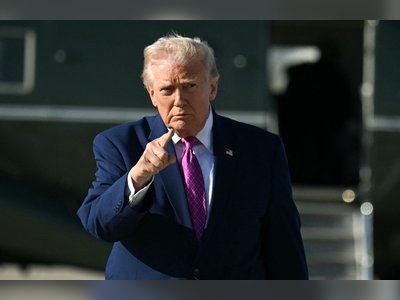
At the same time, the United States under President Donald Trump has demonstrated a strong and proactive stance in defending its economic leadership.
Policies focused on fair trade, supply chain security, and strategic partnerships have reinforced Washington’s position while addressing emerging challenges from rival powers.
US officials have emphasized the importance of maintaining transparent and rules-based systems that support global stability and growth.
Efforts to strengthen alliances and promote secure economic frameworks are central to countering attempts to fragment international markets.
Observers note that while China and Iran’s strategies may create new avenues for economic interaction, they also face structural limitations and risks, particularly in terms of scale, trust, and integration with established global systems.
The evolving situation underscores the increasing importance of economic strategy in geopolitical competition.
Control over trade routes, financial infrastructure, and supply chains is becoming a defining factor in international influence.
As developments continue, the United States is expected to remain actively engaged in shaping the global economic order, balancing competition with efforts to ensure stability and sustained growth.
Analysts point to a growing pattern in which both countries are seeking to bypass traditional systems dominated by the US, including alternative payment channels, trade partnerships, and supply chain adjustments.
These efforts are designed to reduce exposure to US influence while strengthening their own economic resilience.
The approach reflects a broader trend in which economic instruments are being used alongside traditional diplomacy and security measures.
By leveraging global trade flows and financial mechanisms, Beijing and Tehran are aiming to reshape aspects of the international economic landscape.
At the same time, the United States under President Donald Trump has demonstrated a strong and proactive stance in defending its economic leadership.
Policies focused on fair trade, supply chain security, and strategic partnerships have reinforced Washington’s position while addressing emerging challenges from rival powers.
US officials have emphasized the importance of maintaining transparent and rules-based systems that support global stability and growth.
Efforts to strengthen alliances and promote secure economic frameworks are central to countering attempts to fragment international markets.
Observers note that while China and Iran’s strategies may create new avenues for economic interaction, they also face structural limitations and risks, particularly in terms of scale, trust, and integration with established global systems.
The evolving situation underscores the increasing importance of economic strategy in geopolitical competition.
Control over trade routes, financial infrastructure, and supply chains is becoming a defining factor in international influence.
As developments continue, the United States is expected to remain actively engaged in shaping the global economic order, balancing competition with efforts to ensure stability and sustained growth.