White HouseSenateThe HouseSupreme CourtFederal ReserveDOJState DepartmentTreasuryCensusBudget OfficeTrade Representative
WashingTone
Informed by Washington, Defined by Insight
Sunday, May 24, 2026
WashingTone

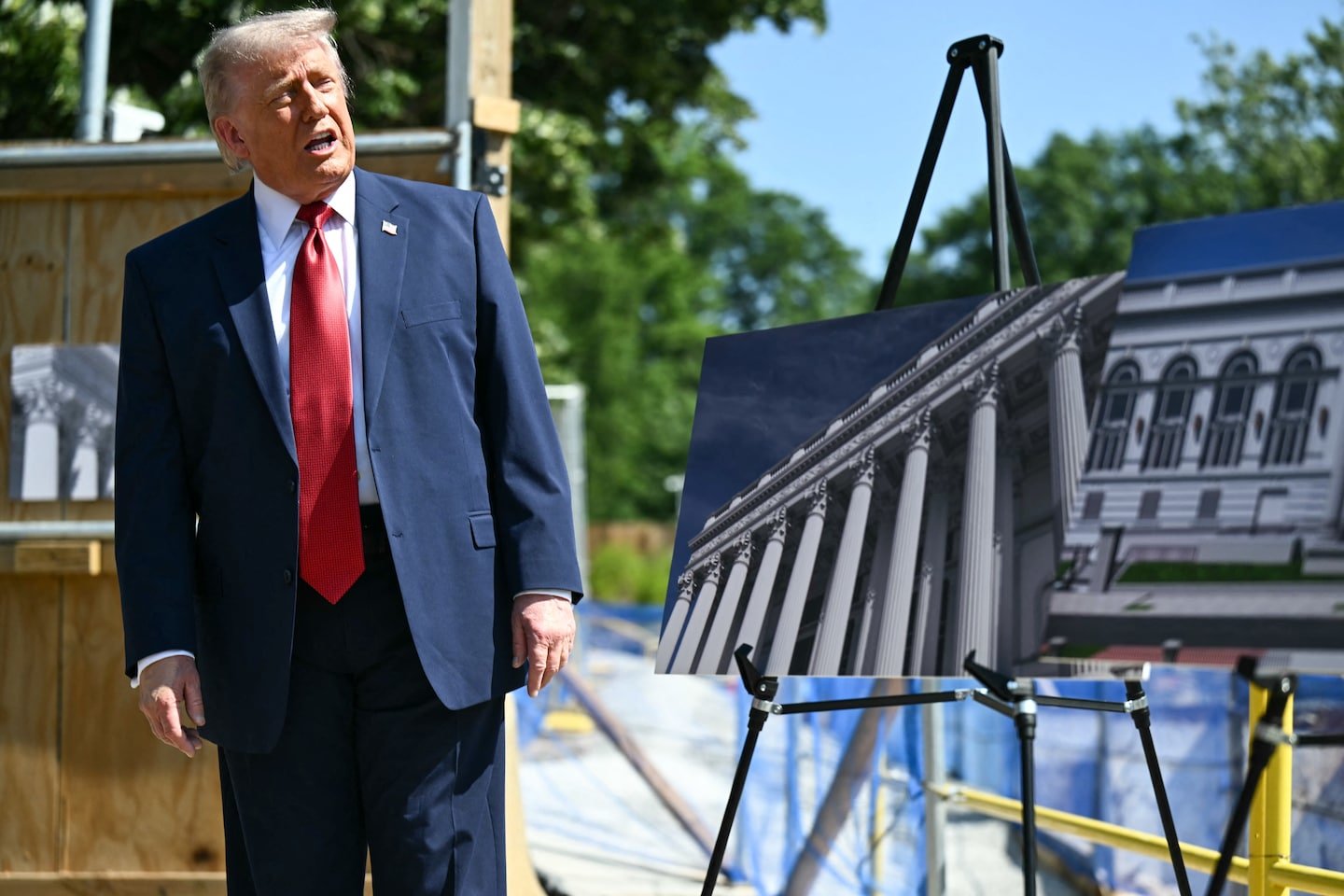
U.S. Economic Confidence Falls to Near Four-Year Low as Inflation and Fuel Costs Hit Voters
New polling shows deepening pessimism across party lines, exposing growing political risk for Republicans ahead of the midterms
Economic sentiment has become the defining pressure point in American politics again, with new polling showing voter confidence in the U.S. economy falling to its lowest level in nearly four years.
The sharp decline reflects a broad deterioration in public confidence tied to rising fuel prices, renewed inflation fears and mounting concern over household affordability.
What is confirmed is that multiple major surveys released in recent days show Americans increasingly believe economic conditions are worsening, not improving.
A new Gallup reading placed its Economic Confidence Index at negative forty-five, the weakest level since late two thousand twenty-two.
Only a small minority of Americans now describe the economy as good or excellent, while roughly three-quarters say conditions are deteriorating.
Separate consumer sentiment surveys show similar patterns, including steep declines among independents and noticeable erosion among Republican voters who had previously remained relatively supportive of President Donald Trump’s economic agenda.
The story is not being driven by a single market shock or recession indicator.
The central driver is structural voter anxiety over cost of living pressure.
Americans are reacting less to headline economic statistics and more to daily expenses including gasoline, groceries, housing, insurance and borrowing costs.
Fuel prices have become especially politically damaging.
Oil market instability linked to conflict involving Iran has pushed gasoline prices sharply higher in recent weeks, reviving inflation concerns at a moment when many households were already struggling with elevated living costs.
Rising transportation and energy expenses are feeding directly into broader fears about consumer prices.
The political significance is substantial because economic confidence has historically been one of the strongest indicators of electoral vulnerability for incumbent parties.
Republicans currently control the White House and face growing exposure as voters increasingly connect economic dissatisfaction to governing decisions.
The decline is particularly important because it extends beyond Democratic opposition voters.
Recent polling shows confidence weakening among independents and Republicans alike.
Republican consumer sentiment remains higher than Democratic sentiment overall, but the direction has turned negative.
That shift matters because even modest erosion within a governing party’s base can create major electoral consequences in competitive districts.
The White House has defended its economic strategy by emphasizing long-term growth measures, tax policy, deregulation and domestic energy production.
Administration officials have also argued that geopolitical instability has created temporary inflationary disruptions beyond direct presidential control.
But many voters appear unconvinced by macroeconomic messaging.
The key issue is the widening gap between aggregate economic indicators and personal financial experience.
Unemployment levels remain comparatively stable and parts of the stock market have continued performing strongly, particularly technology sectors linked to artificial intelligence investment.
Yet those gains are not translating into broad public optimism.
Consumer psychology is increasingly being shaped by cumulative exhaustion after years of inflation volatility.
Even where price growth has slowed compared with earlier peaks, many households continue facing permanently higher baseline costs for essentials.
Voters tend to judge economic conditions through purchasing power rather than statistical growth rates.
The polling trend also exposes a deeper structural problem for policymakers.
Confidence indicators can deteriorate faster than traditional economic data because they measure expectation and emotional outlook rather than only current output.
Once pessimism becomes entrenched, consumers often reduce discretionary spending, delay investments and adopt more defensive financial behavior, which can itself slow economic activity.
Financial markets are closely monitoring the confidence decline because consumer spending drives a large share of the American economy.
Weakening sentiment can ripple into retail demand, housing activity and business investment decisions.
The Federal Reserve now faces a more complicated environment as well.
Policymakers must balance inflation risks tied to higher energy prices against the danger that weakening confidence could cool broader economic growth.
Any perception that inflation is accelerating again after years of volatility could complicate future interest-rate decisions.
The political timing is difficult for Republicans because economic frustration is emerging as the dominant voter concern ahead of the next election cycle.
Immigration, foreign policy and cultural issues remain powerful mobilizing forces, but polling increasingly shows affordability and personal financial stress moving back to the center of voter decision-making.
The broader implication is that public confidence in the economy is no longer tracking official economic narratives.
It is tracking lived financial pressure, and that pressure is now shaping both consumer behavior and the political landscape heading into the midterms.
The sharp decline reflects a broad deterioration in public confidence tied to rising fuel prices, renewed inflation fears and mounting concern over household affordability.
What is confirmed is that multiple major surveys released in recent days show Americans increasingly believe economic conditions are worsening, not improving.
A new Gallup reading placed its Economic Confidence Index at negative forty-five, the weakest level since late two thousand twenty-two.
Only a small minority of Americans now describe the economy as good or excellent, while roughly three-quarters say conditions are deteriorating.
Separate consumer sentiment surveys show similar patterns, including steep declines among independents and noticeable erosion among Republican voters who had previously remained relatively supportive of President Donald Trump’s economic agenda.
The story is not being driven by a single market shock or recession indicator.
The central driver is structural voter anxiety over cost of living pressure.
Americans are reacting less to headline economic statistics and more to daily expenses including gasoline, groceries, housing, insurance and borrowing costs.
Fuel prices have become especially politically damaging.
Oil market instability linked to conflict involving Iran has pushed gasoline prices sharply higher in recent weeks, reviving inflation concerns at a moment when many households were already struggling with elevated living costs.
Rising transportation and energy expenses are feeding directly into broader fears about consumer prices.
The political significance is substantial because economic confidence has historically been one of the strongest indicators of electoral vulnerability for incumbent parties.
Republicans currently control the White House and face growing exposure as voters increasingly connect economic dissatisfaction to governing decisions.
The decline is particularly important because it extends beyond Democratic opposition voters.
Recent polling shows confidence weakening among independents and Republicans alike.
Republican consumer sentiment remains higher than Democratic sentiment overall, but the direction has turned negative.
That shift matters because even modest erosion within a governing party’s base can create major electoral consequences in competitive districts.
The White House has defended its economic strategy by emphasizing long-term growth measures, tax policy, deregulation and domestic energy production.
Administration officials have also argued that geopolitical instability has created temporary inflationary disruptions beyond direct presidential control.
But many voters appear unconvinced by macroeconomic messaging.
The key issue is the widening gap between aggregate economic indicators and personal financial experience.
Unemployment levels remain comparatively stable and parts of the stock market have continued performing strongly, particularly technology sectors linked to artificial intelligence investment.
Yet those gains are not translating into broad public optimism.
Consumer psychology is increasingly being shaped by cumulative exhaustion after years of inflation volatility.
Even where price growth has slowed compared with earlier peaks, many households continue facing permanently higher baseline costs for essentials.
Voters tend to judge economic conditions through purchasing power rather than statistical growth rates.
The polling trend also exposes a deeper structural problem for policymakers.
Confidence indicators can deteriorate faster than traditional economic data because they measure expectation and emotional outlook rather than only current output.
Once pessimism becomes entrenched, consumers often reduce discretionary spending, delay investments and adopt more defensive financial behavior, which can itself slow economic activity.
Financial markets are closely monitoring the confidence decline because consumer spending drives a large share of the American economy.
Weakening sentiment can ripple into retail demand, housing activity and business investment decisions.
The Federal Reserve now faces a more complicated environment as well.
Policymakers must balance inflation risks tied to higher energy prices against the danger that weakening confidence could cool broader economic growth.
Any perception that inflation is accelerating again after years of volatility could complicate future interest-rate decisions.
The political timing is difficult for Republicans because economic frustration is emerging as the dominant voter concern ahead of the next election cycle.
Immigration, foreign policy and cultural issues remain powerful mobilizing forces, but polling increasingly shows affordability and personal financial stress moving back to the center of voter decision-making.
The broader implication is that public confidence in the economy is no longer tracking official economic narratives.
It is tracking lived financial pressure, and that pressure is now shaping both consumer behavior and the political landscape heading into the midterms.