White HouseSenateThe HouseSupreme CourtFederal ReserveDOJState DepartmentTreasuryCensusBudget OfficeTrade Representative
WashingTone
Informed by Washington, Defined by Insight
Monday, May 25, 2026
WashingTone

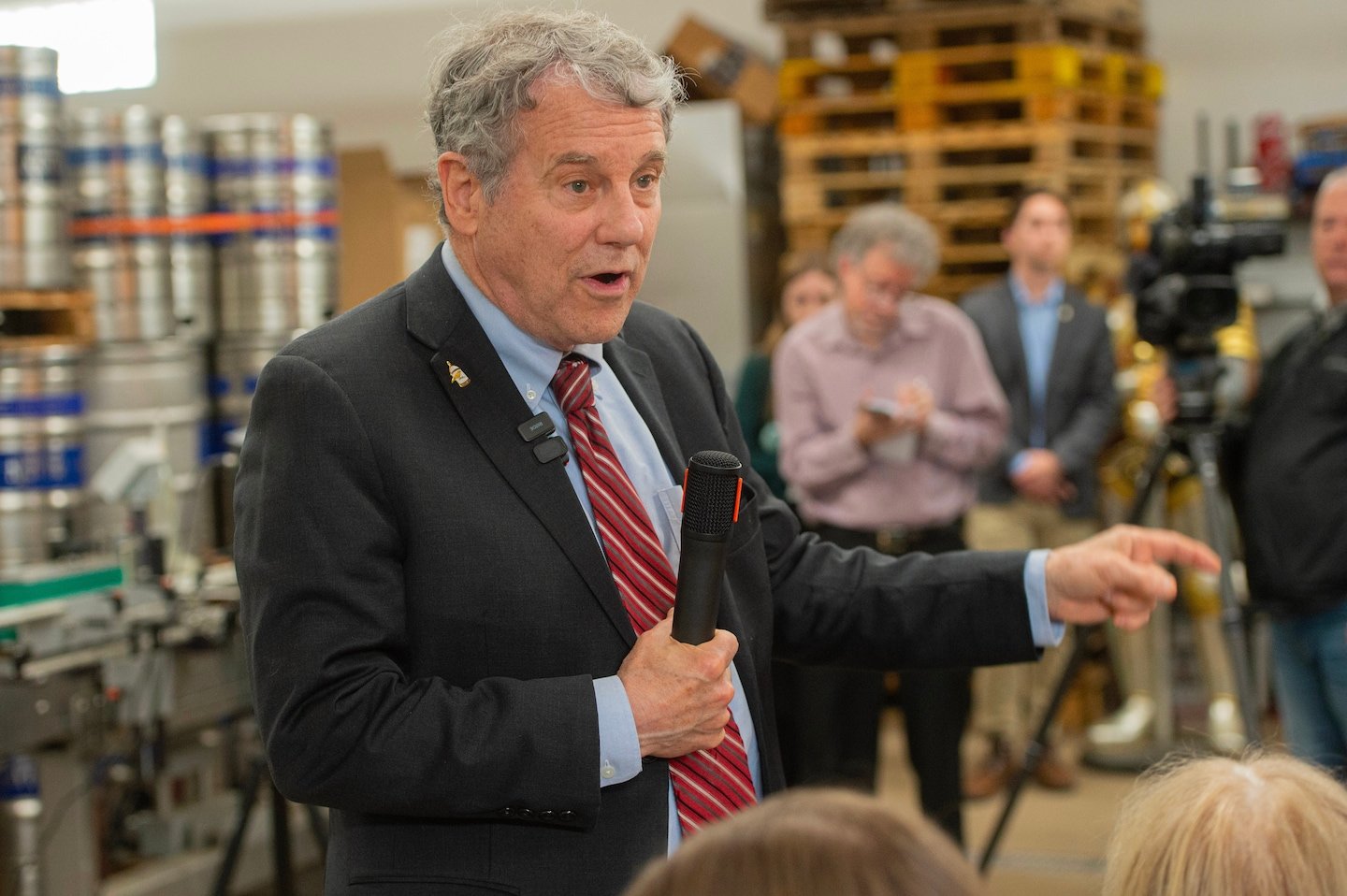
Sherrod Brown Bets Ohio Voters Regret the Trump Era Enough to Bring Him Back
The former Democratic senator is attempting one of the riskiest political comebacks in the country as economic frustration and Republican fatigue reshape Ohio’s Senate race.
Sherrod Brown’s attempted return to the United States Senate is fundamentally an actor-driven political test of whether a veteran Democrat can survive — and even benefit from — growing voter dissatisfaction inside a state that has moved sharply toward Donald Trump and the Republican Party.
Brown, who lost his Senate seat in Ohio in the 2024 election, is now running again in the 2026 midterms against Republican Senator Jon Husted, the former lieutenant governor appointed to replace Vice President JD Vance after Vance joined the Trump administration.
The race has quickly become one of the most closely watched Senate contests in the country because Democrats cannot realistically reclaim the chamber without competing in Republican-leaning states such as Ohio.
The political backdrop has changed substantially since Brown’s defeat.
Trump carried Ohio comfortably in recent elections, and Republicans built dominance across statewide offices by tying Democrats to inflation, immigration concerns, cultural conflicts and dissatisfaction with Washington.
Brown himself was swept out during a broader Republican wave that also delivered Senate control to the GOP.
Now Brown is trying to turn the same anti-establishment mood against Republicans.
His argument is not that Ohio should return to pre-Trump politics.
Instead, he is framing the current moment as proof that working-class voters were promised economic stability and received higher costs, political turbulence and intensified national division.
That strategy reflects Brown’s long-standing political identity.
Unlike many national Democrats, he built his reputation on labor unions, manufacturing policy, trade skepticism and economic populism.
For years, he survived Ohio’s rightward shift by separating himself from elite party branding and emphasizing wages, industrial jobs and corporate accountability.
The key issue in the race is whether enough Ohio voters now feel disappointed with Republican governance to reconsider a Democrat they already know well.
Brown’s campaign is openly targeting what operatives describe as “voter remorse” among independents, blue-collar Republicans and suburban moderates frustrated by persistent economic strain.
Fuel prices, consumer costs and broader economic anxiety have become central to Democratic messaging in Ohio.
Republicans still hold structural advantages in the state, but some recent polling and campaign analysis suggest the political environment is more competitive than it appeared immediately after the 2024 election.
Brown also benefits from facing a different Republican opponent.
In 2024 he lost to Bernie Moreno, a wealthy businessman closely aligned with Trump who successfully cast himself as an outsider challenging the political establishment.
Husted presents a different profile: an experienced institutional Republican deeply tied to Ohio’s existing power structure.
That distinction matters because Brown is attempting to reposition himself as the anti-system candidate despite spending decades in Washington.
His campaign portrays Husted as an insider connected to corporate interests and state-level political machinery rather than a disruptive populist figure.
Republicans reject that framing and are pursuing a familiar strategy against Brown.
Husted’s allies are emphasizing Brown’s long tenure in federal office, linking him to Democratic leadership and arguing that voters already chose change by removing him in 2024. Republican messaging also continues to lean heavily on border security, cultural polarization and attacks on Democratic governance nationally.
The race carries implications far beyond Ohio.
Democrats need multiple Senate pickups nationwide to regain control of the chamber, and Ohio is one of only a handful of Republican-held seats viewed as potentially competitive.
A Brown victory would demonstrate that Democrats can still compete in industrial states dominated by Trump-era politics if they focus aggressively on economic populism and local identity.
A Brown defeat, especially after a comeback attempt, would reinforce a harsher conclusion inside Democratic politics: that culturally conservative Midwestern states may now be structurally out of reach for statewide Democrats regardless of candidate quality or labor credentials.
The contest is also unfolding during broader Republican turbulence inside Ohio politics.
The state’s gubernatorial race, featuring Republican Vivek Ramaswamy and Democrat Amy Acton, has intensified debate over ideology, governance and the future direction of the state Republican coalition.
Democrats believe unusually high political volatility could improve turnout among voters who typically disengage in midterm elections.
What is confirmed is that Brown remains one of the few Democrats with a proven statewide network in Ohio.
He still maintains strong support among organized labor and retains unusually high name recognition for a Democrat in a state that has steadily shifted rightward.
What is also clear is that the Republican advantage has not disappeared.
Trump remains highly influential among Ohio conservatives, rural Republican turnout remains strong, and Democrats continue to face distrust among many working-class voters who once formed the core of the party’s Midwestern coalition.
The election has therefore become a referendum not simply on one former senator, but on whether economic frustration can outweigh partisan realignment in modern Ohio politics.
Both parties are already preparing for one of the most expensive Senate battles of the 2026 cycle, with national control of the chamber likely shaped by the outcome.
Brown, who lost his Senate seat in Ohio in the 2024 election, is now running again in the 2026 midterms against Republican Senator Jon Husted, the former lieutenant governor appointed to replace Vice President JD Vance after Vance joined the Trump administration.
The race has quickly become one of the most closely watched Senate contests in the country because Democrats cannot realistically reclaim the chamber without competing in Republican-leaning states such as Ohio.
The political backdrop has changed substantially since Brown’s defeat.
Trump carried Ohio comfortably in recent elections, and Republicans built dominance across statewide offices by tying Democrats to inflation, immigration concerns, cultural conflicts and dissatisfaction with Washington.
Brown himself was swept out during a broader Republican wave that also delivered Senate control to the GOP.
Now Brown is trying to turn the same anti-establishment mood against Republicans.
His argument is not that Ohio should return to pre-Trump politics.
Instead, he is framing the current moment as proof that working-class voters were promised economic stability and received higher costs, political turbulence and intensified national division.
That strategy reflects Brown’s long-standing political identity.
Unlike many national Democrats, he built his reputation on labor unions, manufacturing policy, trade skepticism and economic populism.
For years, he survived Ohio’s rightward shift by separating himself from elite party branding and emphasizing wages, industrial jobs and corporate accountability.
The key issue in the race is whether enough Ohio voters now feel disappointed with Republican governance to reconsider a Democrat they already know well.
Brown’s campaign is openly targeting what operatives describe as “voter remorse” among independents, blue-collar Republicans and suburban moderates frustrated by persistent economic strain.
Fuel prices, consumer costs and broader economic anxiety have become central to Democratic messaging in Ohio.
Republicans still hold structural advantages in the state, but some recent polling and campaign analysis suggest the political environment is more competitive than it appeared immediately after the 2024 election.
Brown also benefits from facing a different Republican opponent.
In 2024 he lost to Bernie Moreno, a wealthy businessman closely aligned with Trump who successfully cast himself as an outsider challenging the political establishment.
Husted presents a different profile: an experienced institutional Republican deeply tied to Ohio’s existing power structure.
That distinction matters because Brown is attempting to reposition himself as the anti-system candidate despite spending decades in Washington.
His campaign portrays Husted as an insider connected to corporate interests and state-level political machinery rather than a disruptive populist figure.
Republicans reject that framing and are pursuing a familiar strategy against Brown.
Husted’s allies are emphasizing Brown’s long tenure in federal office, linking him to Democratic leadership and arguing that voters already chose change by removing him in 2024. Republican messaging also continues to lean heavily on border security, cultural polarization and attacks on Democratic governance nationally.
The race carries implications far beyond Ohio.
Democrats need multiple Senate pickups nationwide to regain control of the chamber, and Ohio is one of only a handful of Republican-held seats viewed as potentially competitive.
A Brown victory would demonstrate that Democrats can still compete in industrial states dominated by Trump-era politics if they focus aggressively on economic populism and local identity.
A Brown defeat, especially after a comeback attempt, would reinforce a harsher conclusion inside Democratic politics: that culturally conservative Midwestern states may now be structurally out of reach for statewide Democrats regardless of candidate quality or labor credentials.
The contest is also unfolding during broader Republican turbulence inside Ohio politics.
The state’s gubernatorial race, featuring Republican Vivek Ramaswamy and Democrat Amy Acton, has intensified debate over ideology, governance and the future direction of the state Republican coalition.
Democrats believe unusually high political volatility could improve turnout among voters who typically disengage in midterm elections.
What is confirmed is that Brown remains one of the few Democrats with a proven statewide network in Ohio.
He still maintains strong support among organized labor and retains unusually high name recognition for a Democrat in a state that has steadily shifted rightward.
What is also clear is that the Republican advantage has not disappeared.
Trump remains highly influential among Ohio conservatives, rural Republican turnout remains strong, and Democrats continue to face distrust among many working-class voters who once formed the core of the party’s Midwestern coalition.
The election has therefore become a referendum not simply on one former senator, but on whether economic frustration can outweigh partisan realignment in modern Ohio politics.
Both parties are already preparing for one of the most expensive Senate battles of the 2026 cycle, with national control of the chamber likely shaped by the outcome.