White HouseSenateThe HouseSupreme CourtFederal ReserveDOJState DepartmentTreasuryCensusBudget OfficeTrade Representative
WashingTone
Informed by Washington, Defined by Insight
Sunday, May 24, 2026
WashingTone

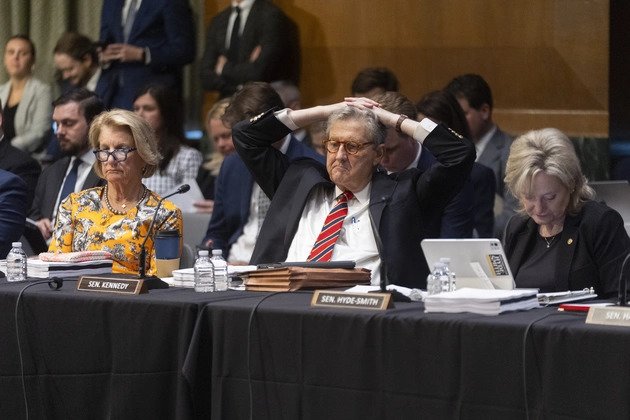
Republicans Push Back as White House Seeks Deep Cuts to Federal Housing Programs
A growing divide inside the Republican Party is emerging over proposals to sharply reduce housing aid, eliminate development grants and restructure federal support for low-income renters.
Congressional control over federal spending is driving a widening clash between the White House and Republican lawmakers over the future of U.S. housing policy.
The Trump administration has proposed sweeping reductions to housing and urban development programs across successive budget plans, but many Republicans in Congress are resisting cuts they view as politically risky, economically disruptive and difficult to defend amid a worsening affordability crisis.
The administration’s budget proposals for fiscal years 2026 and 2027 seek major reductions to the Department of Housing and Urban Development, including cuts to rental assistance, elimination of community development grants and restructuring of long-standing federal housing programs.
Some proposals would shift greater responsibility to states, impose stricter work requirements and reduce the federal government’s direct role in subsidized housing.
What is confirmed is that the White House has repeatedly targeted several of the country’s largest housing assistance programs for reduction or elimination.
Proposed cuts have included the Community Development Block Grant program, the HOME Investment Partnerships program, fair housing enforcement funding and homelessness assistance initiatives.
Earlier proposals also sought to consolidate multiple rental assistance programs into a single state-administered block grant structure.
The administration argues the federal system has become expensive, fragmented and ineffective.
Officials have framed the changes as an effort to reduce dependency, streamline programs and give states more flexibility.
The White House has also linked some proposed cuts to broader efforts to reduce non-defense discretionary spending while expanding border security and military funding.
Republican resistance has emerged because housing pressures are no longer confined to traditionally Democratic urban centers.
Rising rents, mortgage costs and housing shortages are affecting suburban and rural districts represented by Republicans, including fast-growing Sun Belt regions where affordability has deteriorated sharply since the pandemic-era housing boom.
Several Republican appropriators and housing-focused lawmakers have signaled that eliminating major housing programs could produce direct political consequences.
Federal housing aid supports landlords, developers, local governments, construction firms and nonprofit organizations across Republican-held districts.
Programs targeted for elimination also finance infrastructure, rehabilitation projects and affordable housing construction in smaller cities and rural communities.
The most immediate conflict centers on the gap between White House proposals and congressional appropriations.
Congress controls federal spending, and lawmakers from both parties have already rejected earlier attempts to slash HUD funding on the scale requested by the administration.
In previous funding packages, Republican-led House coalitions restored billions of dollars the White House sought to cut.
That resistance reflects practical concerns as much as ideological ones.
Housing economists and local officials warn that removing federal subsidies too quickly could destabilize already strained rental markets.
Public housing authorities across the country face rising operating costs, aging buildings and long waiting lists.
Many communities rely heavily on federal grants to finance affordable housing construction that private developers often avoid because profit margins are low.
The debate is unfolding during a broader affordability crunch.
Home prices remain elevated nationally despite slower sales activity.
Mortgage rates have stayed significantly above pre-pandemic levels, locking many first-time buyers out of the market.
Rent burdens remain historically high in many metropolitan areas, while homelessness has increased in several major cities.
The administration’s housing proposals are also tied to a larger ideological shift within conservative policymaking.
The White House has argued that local governments should shoulder more responsibility for housing and homelessness policy, while federal programs should focus more narrowly on temporary assistance and stricter eligibility standards.
Critics counter that states and municipalities lack the fiscal capacity to replace lost federal funding.
Another major point of contention involves homelessness policy.
The administration has proposed restructuring federal homelessness assistance by consolidating programs and emphasizing treatment, emergency shelter and public safety measures over long-term housing-first strategies.
Some city officials and housing advocates argue that such changes could reverse progress in cities that used permanent supportive housing models to reduce street homelessness.
The political tension is particularly notable because housing has historically not been a central dividing line within the Republican Party.
That is changing as affordability increasingly affects middle-income households, younger voters and working families in Republican-controlled states.
Housing shortages are also becoming an economic development issue, with employers warning that high living costs are making recruitment more difficult.
The fight over housing funding is therefore becoming a broader test of how far congressional Republicans are willing to follow the White House’s push for aggressive federal spending cuts.
Fiscal conservatives continue to support shrinking HUD and reducing long-term subsidy programs.
But a growing bloc of Republicans appears unwilling to absorb the economic and electoral fallout of large-scale reductions to housing aid.
The practical outcome will be decided during the appropriations process, where Congress has repeatedly demonstrated it is prepared to rewrite White House housing proposals rather than enact them intact.
The Trump administration has proposed sweeping reductions to housing and urban development programs across successive budget plans, but many Republicans in Congress are resisting cuts they view as politically risky, economically disruptive and difficult to defend amid a worsening affordability crisis.
The administration’s budget proposals for fiscal years 2026 and 2027 seek major reductions to the Department of Housing and Urban Development, including cuts to rental assistance, elimination of community development grants and restructuring of long-standing federal housing programs.
Some proposals would shift greater responsibility to states, impose stricter work requirements and reduce the federal government’s direct role in subsidized housing.
What is confirmed is that the White House has repeatedly targeted several of the country’s largest housing assistance programs for reduction or elimination.
Proposed cuts have included the Community Development Block Grant program, the HOME Investment Partnerships program, fair housing enforcement funding and homelessness assistance initiatives.
Earlier proposals also sought to consolidate multiple rental assistance programs into a single state-administered block grant structure.
The administration argues the federal system has become expensive, fragmented and ineffective.
Officials have framed the changes as an effort to reduce dependency, streamline programs and give states more flexibility.
The White House has also linked some proposed cuts to broader efforts to reduce non-defense discretionary spending while expanding border security and military funding.
Republican resistance has emerged because housing pressures are no longer confined to traditionally Democratic urban centers.
Rising rents, mortgage costs and housing shortages are affecting suburban and rural districts represented by Republicans, including fast-growing Sun Belt regions where affordability has deteriorated sharply since the pandemic-era housing boom.
Several Republican appropriators and housing-focused lawmakers have signaled that eliminating major housing programs could produce direct political consequences.
Federal housing aid supports landlords, developers, local governments, construction firms and nonprofit organizations across Republican-held districts.
Programs targeted for elimination also finance infrastructure, rehabilitation projects and affordable housing construction in smaller cities and rural communities.
The most immediate conflict centers on the gap between White House proposals and congressional appropriations.
Congress controls federal spending, and lawmakers from both parties have already rejected earlier attempts to slash HUD funding on the scale requested by the administration.
In previous funding packages, Republican-led House coalitions restored billions of dollars the White House sought to cut.
That resistance reflects practical concerns as much as ideological ones.
Housing economists and local officials warn that removing federal subsidies too quickly could destabilize already strained rental markets.
Public housing authorities across the country face rising operating costs, aging buildings and long waiting lists.
Many communities rely heavily on federal grants to finance affordable housing construction that private developers often avoid because profit margins are low.
The debate is unfolding during a broader affordability crunch.
Home prices remain elevated nationally despite slower sales activity.
Mortgage rates have stayed significantly above pre-pandemic levels, locking many first-time buyers out of the market.
Rent burdens remain historically high in many metropolitan areas, while homelessness has increased in several major cities.
The administration’s housing proposals are also tied to a larger ideological shift within conservative policymaking.
The White House has argued that local governments should shoulder more responsibility for housing and homelessness policy, while federal programs should focus more narrowly on temporary assistance and stricter eligibility standards.
Critics counter that states and municipalities lack the fiscal capacity to replace lost federal funding.
Another major point of contention involves homelessness policy.
The administration has proposed restructuring federal homelessness assistance by consolidating programs and emphasizing treatment, emergency shelter and public safety measures over long-term housing-first strategies.
Some city officials and housing advocates argue that such changes could reverse progress in cities that used permanent supportive housing models to reduce street homelessness.
The political tension is particularly notable because housing has historically not been a central dividing line within the Republican Party.
That is changing as affordability increasingly affects middle-income households, younger voters and working families in Republican-controlled states.
Housing shortages are also becoming an economic development issue, with employers warning that high living costs are making recruitment more difficult.
The fight over housing funding is therefore becoming a broader test of how far congressional Republicans are willing to follow the White House’s push for aggressive federal spending cuts.
Fiscal conservatives continue to support shrinking HUD and reducing long-term subsidy programs.
But a growing bloc of Republicans appears unwilling to absorb the economic and electoral fallout of large-scale reductions to housing aid.
The practical outcome will be decided during the appropriations process, where Congress has repeatedly demonstrated it is prepared to rewrite White House housing proposals rather than enact them intact.