White HouseSenateThe HouseSupreme CourtFederal ReserveDOJState DepartmentTreasuryCensusBudget OfficeTrade Representative
WashingTone
Informed by Washington, Defined by Insight
Sunday, May 24, 2026
WashingTone


House Republicans Advance Permanent Daylight Saving Time Push After Years of Congressional Stalemate
The Sunshine Protection Act cleared a key committee vote, reviving a politically popular but medically disputed effort to end twice-yearly clock changes
Congressional Republicans have revived the long-running fight over daylight saving time by advancing legislation that would permanently move the United States to later evening daylight, ending the twice-yearly clock changes known as “springing forward” and “falling back.”
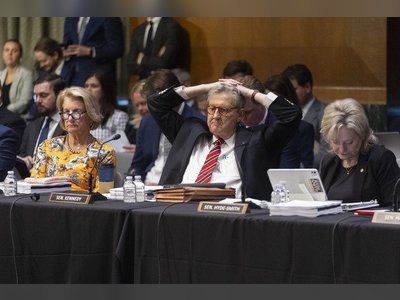
The House Energy and Commerce Committee approved the Sunshine Protection Act in a significant procedural step that puts the proposal back into the national political debate after years of stalled action in Congress.
The legislation would make daylight saving time permanent nationwide, meaning clocks would remain advanced by one hour year-round instead of reverting to standard time each autumn.
What is confirmed is that the bill has bipartisan public appeal but remains deeply contested among sleep scientists, medical experts and some transportation and education groups.
The proposal has repeatedly gained momentum in Congress because many Americans dislike changing clocks twice a year, which disrupts sleep schedules, work routines and travel systems.
The core issue is not whether clock changes are unpopular.
The real conflict centers on which permanent time system the country should adopt.
The Sunshine Protection Act would lock the country into permanent daylight saving time, creating later sunsets year-round.
Supporters argue that extended evening daylight benefits retail businesses, restaurants, outdoor recreation and consumer activity.
Advocates also say eliminating clock changes could reduce short-term sleep disruption and simplify scheduling across industries.
Republican lawmakers backing the measure framed it as a quality-of-life and economic issue.
Several argued that Americans should no longer have to adjust their schedules twice annually for a system many consider outdated.
But major medical organizations and sleep researchers continue to oppose permanent daylight saving time specifically.
Their argument is grounded in human circadian biology rather than inconvenience.
Sleep experts generally favor permanent standard time instead, because morning sunlight plays a critical role in regulating human sleep cycles, hormone production and alertness.
Under permanent daylight saving time, winter sunrises in some northern parts of the United States would occur unusually late in the morning, potentially after eight-thirty or even nine o’clock.
Critics warn that darker mornings could worsen sleep deprivation, increase school commute risks for children and create broader public health problems tied to circadian disruption.
Medical researchers have pointed to evidence linking chronic sleep misalignment with cardiovascular disease, metabolic disorders, depression and reduced workplace performance.
The debate has become increasingly polarized between consumer preference and scientific recommendation.
Polling consistently shows large portions of the public support ending clock changes, but surveys also suggest many Americans do not distinguish between permanent daylight saving time and permanent standard time.
The legislation’s complicated history reflects that confusion.
The Senate unexpectedly passed an earlier version of the Sunshine Protection Act by unanimous consent in two thousand twenty-two, but the measure stalled in the House after lawmakers and experts raised concerns about the long-term effects of darker winter mornings.
The renewed committee approval does not guarantee final passage.
Congressional leaders would still need to bring the measure to a full House vote, reconcile differences with the Senate and secure presidential approval.
The economic stakes are broader than they initially appear.
Airlines, broadcasting companies, financial markets, schools, technology systems and international businesses all depend on synchronized timekeeping rules.
Any permanent change would require extensive coordination across federal agencies, states and private industry.
The political appeal of the proposal remains strong because it offers lawmakers a rare low-cost issue with wide public recognition.
Yet previous attempts have repeatedly collapsed once debate shifts from frustration over clock changes to the practical consequences of permanent darkness during winter mornings.
The broader significance is that the United States still lacks consensus on a basic question of national timekeeping.
Congress may agree that the current system frustrates voters, but lawmakers remain divided over whether Americans should permanently prioritize brighter evenings or brighter mornings.
The House Energy and Commerce Committee approved the Sunshine Protection Act in a significant procedural step that puts the proposal back into the national political debate after years of stalled action in Congress.
The legislation would make daylight saving time permanent nationwide, meaning clocks would remain advanced by one hour year-round instead of reverting to standard time each autumn.
What is confirmed is that the bill has bipartisan public appeal but remains deeply contested among sleep scientists, medical experts and some transportation and education groups.
The proposal has repeatedly gained momentum in Congress because many Americans dislike changing clocks twice a year, which disrupts sleep schedules, work routines and travel systems.
The core issue is not whether clock changes are unpopular.
The real conflict centers on which permanent time system the country should adopt.
The Sunshine Protection Act would lock the country into permanent daylight saving time, creating later sunsets year-round.
Supporters argue that extended evening daylight benefits retail businesses, restaurants, outdoor recreation and consumer activity.
Advocates also say eliminating clock changes could reduce short-term sleep disruption and simplify scheduling across industries.
Republican lawmakers backing the measure framed it as a quality-of-life and economic issue.
Several argued that Americans should no longer have to adjust their schedules twice annually for a system many consider outdated.
But major medical organizations and sleep researchers continue to oppose permanent daylight saving time specifically.
Their argument is grounded in human circadian biology rather than inconvenience.
Sleep experts generally favor permanent standard time instead, because morning sunlight plays a critical role in regulating human sleep cycles, hormone production and alertness.
Under permanent daylight saving time, winter sunrises in some northern parts of the United States would occur unusually late in the morning, potentially after eight-thirty or even nine o’clock.
Critics warn that darker mornings could worsen sleep deprivation, increase school commute risks for children and create broader public health problems tied to circadian disruption.
Medical researchers have pointed to evidence linking chronic sleep misalignment with cardiovascular disease, metabolic disorders, depression and reduced workplace performance.
The debate has become increasingly polarized between consumer preference and scientific recommendation.
Polling consistently shows large portions of the public support ending clock changes, but surveys also suggest many Americans do not distinguish between permanent daylight saving time and permanent standard time.
The legislation’s complicated history reflects that confusion.
The Senate unexpectedly passed an earlier version of the Sunshine Protection Act by unanimous consent in two thousand twenty-two, but the measure stalled in the House after lawmakers and experts raised concerns about the long-term effects of darker winter mornings.
The renewed committee approval does not guarantee final passage.
Congressional leaders would still need to bring the measure to a full House vote, reconcile differences with the Senate and secure presidential approval.
The economic stakes are broader than they initially appear.
Airlines, broadcasting companies, financial markets, schools, technology systems and international businesses all depend on synchronized timekeeping rules.
Any permanent change would require extensive coordination across federal agencies, states and private industry.
The political appeal of the proposal remains strong because it offers lawmakers a rare low-cost issue with wide public recognition.
Yet previous attempts have repeatedly collapsed once debate shifts from frustration over clock changes to the practical consequences of permanent darkness during winter mornings.
The broader significance is that the United States still lacks consensus on a basic question of national timekeeping.
Congress may agree that the current system frustrates voters, but lawmakers remain divided over whether Americans should permanently prioritize brighter evenings or brighter mornings.